
When asking about the horsepower of a typical skid steer, one steps into a broad spectrum that reflects the incredible versatility and specialization of these compact powerhouses. Unlike a single figure, horsepower in skid steers spans a wide range, generally from about 25 horsepower in small, niche models to over 100 horsepower in large, high-production machines. The most common units found on rental yards and construction sites—often considered the "typical" workhorses—usually fall within the 60 to 90 horsepower range. This power band effectively balances performance, fuel efficiency, and versatility for a vast array of tasks, from agricultural work and landscaping to demanding construction site material handling. However, defining "horsepower" itself requires immediate clarification, as there are two critical types to consider: engine horsepower and hydraulic horsepower. The gross engine horsepower is the raw power produced by the diesel engine (and increasingly, in compact models, by gasoline or even electric motors). This is the number most prominently advertised in brochures and specifications. But for the operator, hydraulic horsepower is often more directly relevant. This measures the power delivered by the hydraulic system to the attachments and the drive motors. The efficiency of this power transfer—how well the machine converts engine power into usable hydraulic and mechanical power—is a key differentiator between models and brands. A machine with a slightly lower engine horsepower but a superior hydraulic system design can often outperform a competitor with a higher-rated engine but a less efficient hydraulic flow.
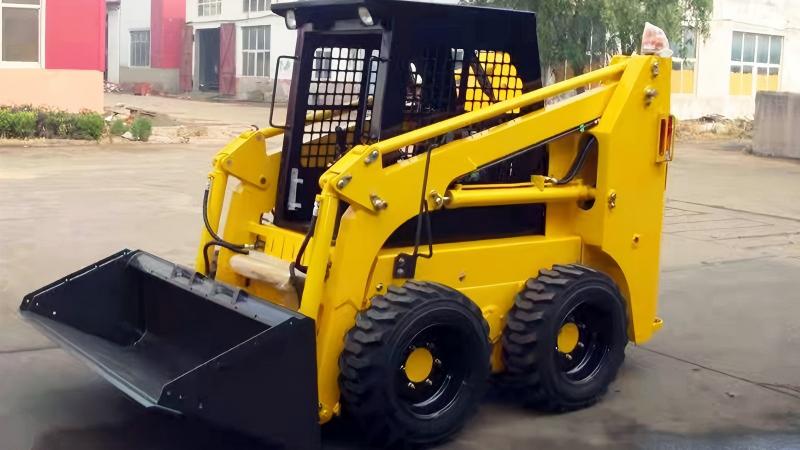
Delving deeper, the horsepower of a skid steer is not an isolated statistic but the heart of a complex performance equation that directly dictates its capabilities. The primary consumer of this power is the hydraulic system, which splits its output between the drive system (propelling the machine via wheels or tracks) and the attachment circuit (powering the loader arm and tools like augers, breakers, or grapples). This is where the critical concept of hydraulic flow (measured in gallons per minute, or GPM) and pressure (measured in pounds per square inch, or PSI) comes into play. High horsepower allows for high-flow, high-pressure hydraulic systems. A high-flow system is essential for running demanding attachments like cold planers, brush cutters, or large forestry mulchers, which require massive volumes of hydraulic fluid to operate effectively. Consequently, machines marketed as "high-flow" or "extreme-flow" options invariably reside at the upper end of the horsepower scale, often starting above 70 horsepower and going much higher. The second major power draw is the drive system. More horsepower translates to greater torque and higher travel speeds, especially important for machines equipped with rubber tracks (compact track loaders), which have more resistance than wheels. A powerful engine ensures the machine can maintain performance when both driving at full speed and operating a simultaneously demanding attachment, a common requirement on job sites. Therefore, when evaluating horsepower, one must consider the intended use. A landscaper primarily using a bucket and grapple for light material may find a 60-70 horsepower machine perfectly adequate. In contrast, a contractor running a trencher, stump grinder, or milling attachment on a daily basis will likely need the robust hydraulic power of an 80+ horsepower model with an optional high-flow circuit.
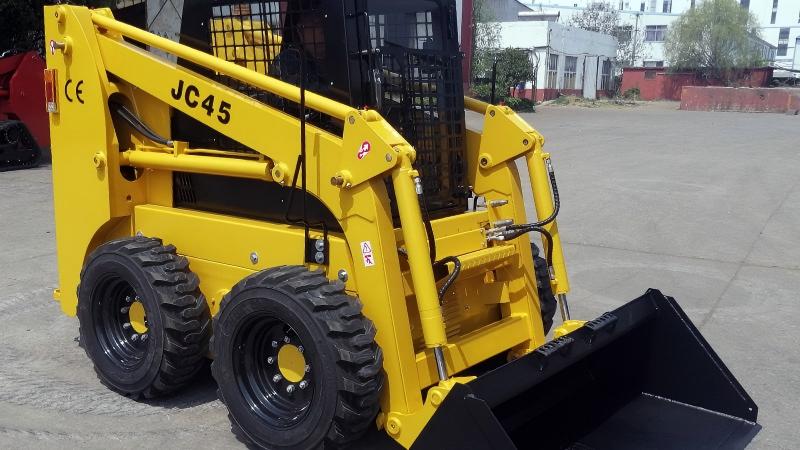
Beyond the raw number, several factors influence how horsepower translates into real-world performance and which power category is appropriate for a given application. Machine size and operating weight are intrinsically linked to power. A larger frame and heavier machine require more horsepower simply to move efficiently and maintain stability, especially when lifting loads to their full rated operating capacity. The choice between wheeled skid steers and compact track loaders (CTLs) also impacts power perception. CTLs, due to their superior traction and flotation, can often utilize available horsepower more effectively for pushing, digging, and lifting in soft ground conditions, making a lower-horsepower CTL sometimes feel more powerful than a higher-horsepower wheeled model in certain terrains. Furthermore, technological advancements in engine design and machine control systems have dramatically changed the horsepower landscape. Modern Tier 4 Final diesel engines are marvels of efficiency, delivering more power and torque from smaller displacements while meeting strict emissions standards. Sophisticated engine management and hydraulic control systems, such as John Deere's Intelligent Power Management or Bobcat's Selectable Joystick Controls, intelligently allocate horsepower between propulsion and attachments on the fly, preventing stalling and optimizing performance without requiring a larger, thirstier engine. This means a modern 75-horsepower machine can often outperform an older 85-horsepower model due to these smarter systems. For operators, the key is to match the machine's horsepower and hydraulic capabilities with their most common attachments and toughest anticipated tasks, ensuring there is ample power in reserve for peak demands.
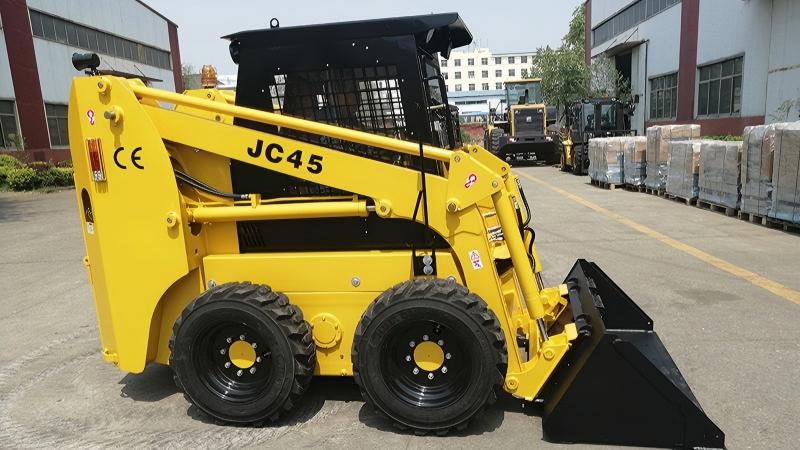
Ultimately, selecting a skid steer based on horsepower is about understanding total cost of ownership and project requirements. Opting for a machine with insufficient horsepower for your primary tasks leads to frustration, slow work cycles, excessive wear from constant overworking of the engine, and potentially inadequate performance from high-demand attachments. It is a false economy that reduces productivity and may increase long-term maintenance costs. Conversely, choosing a machine with excessive horsepower for light-duty tasks results in higher initial purchase costs, increased fuel consumption, and potentially more wear on drive components and tires or tracks when the extra power isn't needed. The sweet spot is a machine whose horsepower and hydraulic system are tailored to your 80% common tasks, with enough headroom for the occasional heavy-duty job. Always consult detailed specification sheets, paying close attention not just to net horsepower, but also to auxiliary hydraulic flow (standard and high-flow options) and pressure, as well as the machine's rated operating capacity. The best practice is to demo machines in your intended power range with the attachments you use most. Feel how the machine responds when digging into a pile, traveling up an incline with a full load, or simultaneously lifting and driving. This hands-on test, informed by an understanding of horsepower's role within the entire machine system, is the most reliable way to choose the typical—or atypically perfect—skid steer for your needs.
Post time:Jan.28.2026
