
In the realm of material handling and warehouse operations, the forklift stands as an indispensable workhorse, and at the heart of its lifting mechanism lies a critical component: the load chain. The frequency with which forklift chains should be inspected and ultimately replaced is not merely a matter of routine maintenance but a fundamental pillar of workplace safety, operational reliability, and cost-effectiveness. Industry standards, primarily governed by guidelines from the Occupational Safety and Health Administration (OSHA) and equipment manufacturers, provide a structured framework. OSHA mandates that all forklift components, including chains, be subject to a formal inspection at least once every calendar year, with records kept of these examinations. However, this annual inspection represents the absolute minimum requirement for formal documentation. Best practices in high-utilization environments demand a far more rigorous approach. The cornerstone of effective chain management is the pre-shift inspection, a visual and functional check conducted by the operator before the commencement of each workday or shift. This daily examination is crucial for identifying obvious defects such as gross distortion, visible cracks, or significant wear. Beyond this, a comprehensive documented inspection should be performed by a qualified technician at intervals not exceeding every three months for chains in regular service. This quarterly deep dive involves meticulous cleaning, precise measurement of chain elongation, and a thorough assessment for nuanced signs of fatigue. The actual replacement timeline, however, is not dictated by a simple calendar but by the chain's condition, usage intensity, and operating environment. Chains subjected to heavy loads, frequent lift cycles, corrosive atmospheres, or extreme temperatures will inevitably degrade faster than those in light, benign service. Therefore, a fixed replacement schedule is less effective than a condition-based monitoring protocol, where inspection frequency is calibrated to the severity of service, ensuring that potential failures are identified and mitigated well before they compromise safety.
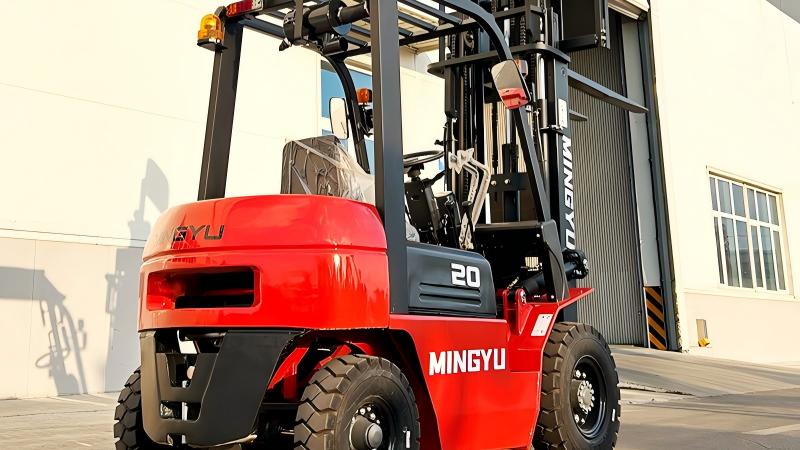
The process of inspecting a forklift chain is a detailed and systematic procedure that requires knowledge, appropriate tools, and a keen eye for detail. It begins with a thorough visual scan along the entire length of the chain, looking for obvious signs of damage like nicks, gouges, weld spatter, or twisted links. Any link that is bent, stretched out of proportion, or shows signs of binding is a red flag. Following the visual check, the inspector must measure for wear elongation, which is the most quantifiable indicator of a chain's fitness for service. This is typically done by measuring the length of a set number of links (often 24 or 36 links) and comparing it to the original manufactured length. As the chain wears at the bearing points between links, it "stretches." Manufacturers specify a maximum allowable elongation, usually between 1.5% to 3% depending on the chain grade and type. Exceeding this limit critically weakens the chain, increasing the risk of catastrophic failure under load. The inspection must also focus on the chain's attachment points, including hooks, shackles, and the connection to the lifting carriage. These areas are high-stress points prone to cracking. Furthermore, the inspector should evaluate the condition of the chain in relation to the sheaves (sprockets) it runs over. A worn chain can accelerate sheave wear, and conversely, a damaged sheave can rapidly degrade a new chain. The inspection report must document all findings, including precise measurements, photographs of any defects, and a clear recommendation: continue service, schedule follow-up, or immediate replacement. This documentation is not only a regulatory compliance record but also a valuable historical log for tracking the performance and lifespan of chains across the fleet, enabling better predictive maintenance planning.
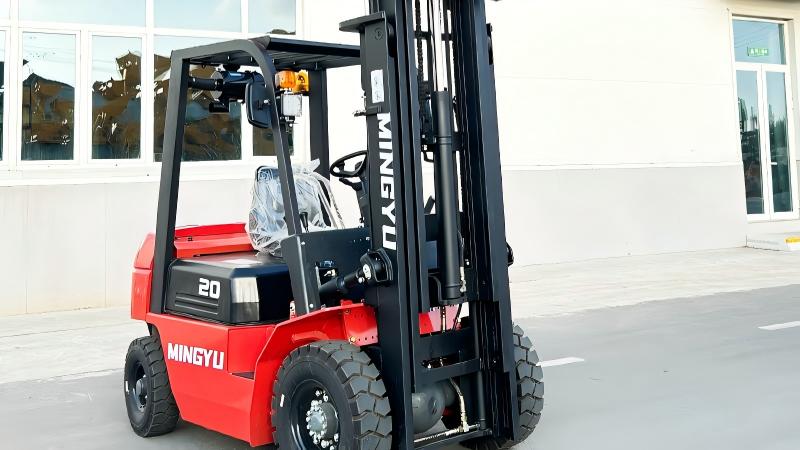
Determining the precise moment for replacement is a critical decision balancing safety, operational continuity, and budget. Replacement is unequivocally required when chain elongation exceeds the manufacturer's specified discard limit. Operating a chain beyond this point is an extreme safety hazard. Other non-negotiable replacement triggers include visible cracks in any link or attachment component, severe corrosion that has pitted or reduced the cross-sectional diameter of the material, and any heat damage that may have altered the metal's crystalline structure and temper. Links that are locked or frozen, unable to pivot freely, indicate internal damage or contamination and warrant replacement. However, proactive replacement before complete failure is the hallmark of a mature safety culture. Factors influencing a proactive replacement strategy include the criticality of the application—a chain failure on a forklift handling hazardous materials or over occupied spaces has far more severe consequences than in a isolated stock area. The cost of unscheduled downtime due to a chain failure, including repair time, lost productivity, and potential collateral damage to the load or equipment, often far exceeds the price of a new chain. Many operations adopt a policy of replacing chains in pairs or sets on multi-chain masts to ensure even load distribution and performance. By analyzing historical inspection data, maintenance managers can establish average lifespan benchmarks for their specific operating conditions, moving from reactive fixes to a predictive model where replacement is planned during scheduled maintenance windows, thereby minimizing disruption.
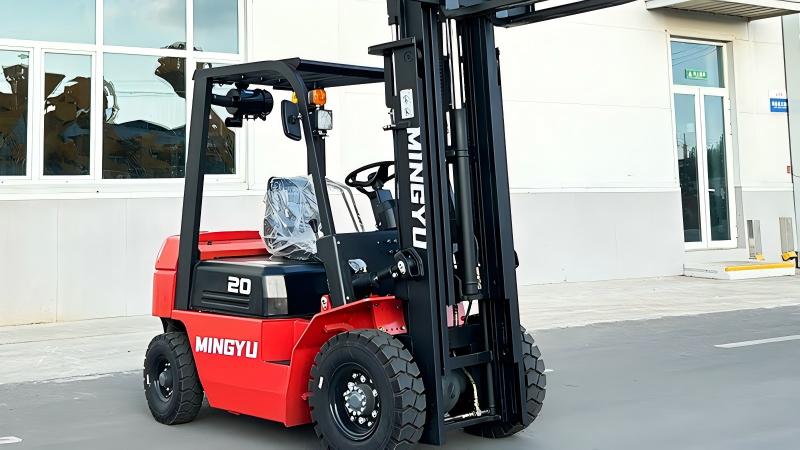
Implementing a robust chain inspection and replacement program yields profound benefits that extend far beyond regulatory compliance. Firstly, it is the primary defense against lifting failures, which can lead to dropped loads, equipment damage, severe injury, or fatalities. A robust program directly protects personnel, fulfilling the fundamental duty of care. Secondly, it ensures operational efficiency and uptime. A well-maintained chain ensures smooth, precise lifting and lowering, contributing to overall productivity. Unexpected chain failures cause disruptive downtime, while planned replacements can be executed with minimal impact on operations. Thirdly, it protects capital investment. A worn chain damages other expensive components like mast rollers, lift cylinders, and especially the sheaves. Premature wear on these parts due to a neglected chain leads to compound repair costs. Furthermore, a documented maintenance program reduces liability and demonstrates due diligence in the event of an incident or audit. It also fosters a culture of safety where equipment care is valued. Finally, from a total cost of ownership perspective, regular inspection and timely replacement are economically sound. They prevent the high costs associated with catastrophic failures, extend the service life of associated components, and allow for budgeted, planned procurement of replacement chains rather than emergency purchases. In conclusion, the question of how often to inspect and replace forklift chains is answered by a blend of mandated schedules, conditioned-based assessment, and proactive risk management. By adhering to a disciplined regimen of daily checks, quarterly thorough inspections, and replacement based on measurable wear limits and environmental factors, organizations safeguard their most valuable assets: their people and their operational integrity.
Post time:Jan.28.2026
