
The cost to rent a wheel loader is a primary consideration for construction firms, landscaping businesses, and agricultural operations looking to utilize this versatile piece of heavy equipment without the capital outlay of a purchase. There is no single universal price, as rental rates are dynamic and influenced by a complex matrix of variables. On a broad scale, one can expect daily rental rates for a standard mid-size wheel loader, such as a Caterpillar 926 or Komatsu WA200, to range from approximately $400 to $800 per day. Weekly rates typically offer better value, averaging between $1,200 and $2,200, while monthly rentals can see costs from $4,000 to $9,000 or more, representing the most economical option for long-term projects. These baseline figures, however, are merely a starting point. The final invoice is shaped by the machine's specifications—its engine horsepower, bucket capacity, and operating weight. A compact wheel loader with a 1 cubic yard bucket will command a significantly lower rate than a large model with a 5 cubic yard capacity designed for major earthmoving. Furthermore, the age and technological sophistication of the machine play a role; newer models with advanced hydraulics, emission-compliant engines, and operator comfort features may rent at a premium due to their efficiency and lower maintenance likelihood, but they can contribute to overall project productivity and cost savings in other areas.
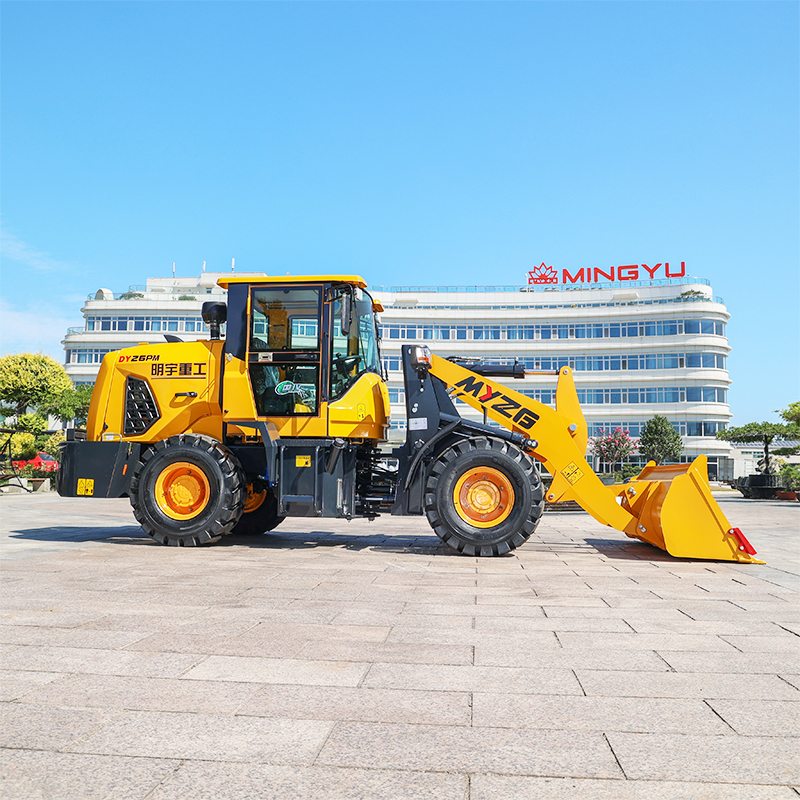
Beyond the basic machine size and rental period, a multitude of project-specific and geographical factors critically determine the final rental cost. The rental duration is the most straightforward influencer; long-term commitments invariably reduce the average daily cost, providing financial predictability for extended endeavors like highway construction or large-scale site development. Geographical location is equally pivotal. Rental rates in major metropolitan areas or regions with booming construction activity (e.g., parts of Texas or the Mountain West) are often higher due to intense demand and higher operational costs for rental yards. Conversely, rates in rural areas might be lower, though availability of specific models could be limited. The intended application also directly impacts cost. Standard rentals for general material handling might be priced lower, but if the wheel loader is to be used in a high-wear environment like a quarry, for demolition work, or with specialized attachments (e.g., forks, grapples, snow blowers), the rental company may adjust the rate upward to account for increased wear, tear, and potential risk. Additionally, the seasonality of demand can cause fluctuations; prices may spike during peak construction seasons in spring and summer. Understanding these contextual elements is essential for accurately comparing quotes from different suppliers and ensuring the selected machine matches both the job requirements and the budgetary constraints of the project.
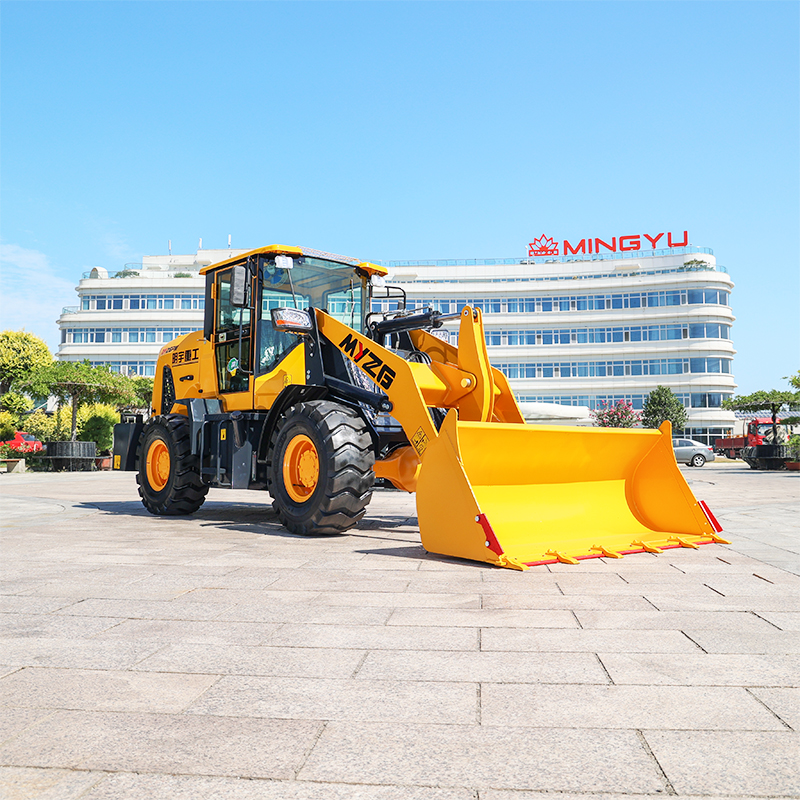
A critical and often underestimated component of the rental cost is the suite of additional fees and service options that accompany the base rate. The quoted daily or weekly price frequently covers only the machine itself. Transportation to and from the job site is a major extra cost, with delivery and pick-up charges depending on the distance from the rental depot and the size of the equipment, easily adding hundreds of dollars to the total. Insurance is non-negotiable; renters must provide proof of liability and physical damage insurance, either through their own policy or by purchasing a damage waiver from the rental company, which can add 10% to 20% to the base cost. Fuel is always the renter's responsibility, and a wheel loader's consumption can be substantial, directly impacting operating expenses. Furthermore, while routine maintenance is typically the rental company's duty, costs for repair due to operator abuse or negligence will be passed on. Optional services like an on-site operator, while adding significant daily cost ($200-$400 per day for the operator's wage), can be a wise investment for companies lacking certified personnel, ensuring safe and efficient machine operation and protecting the renter from liability and damage costs. A meticulous review of the rental agreement's fine print regarding these ancillary charges is paramount to avoid unexpected financial burdens.

To secure the best value when renting a wheel loader, strategic planning and informed negotiation are key. The process begins with a precise assessment of project needs: the required bucket capacity, lift height, horsepower, and necessary attachments. Obtaining multiple quotes from national rental chains, regional suppliers, and local dealers allows for a comprehensive comparison not just of base rates, but of the full package including delivery, service terms, and machine condition. Inquiring about fleet age and maintenance schedules can ensure reliability on-site. For long-term rentals, there is often significant room for negotiation on the monthly rate, especially during off-peak seasons. Exploring bundled packages, where the wheel loader is rented as part of a fleet of equipment from the same supplier, can also lead to discounted overall pricing. Finally, building a relationship with a reputable rental company can yield benefits in terms of service priority, better rates on future projects, and access to well-maintained machinery. Ultimately, the goal is to move beyond finding the cheapest daily rate and instead secure the most cost-effective and reliable total solution that ensures the wheel loader contributes to the project's timely and successful completion, thereby maximizing the return on the rental investment.
Post time:Dec.24.2025
