
Operating a backhoe loader safely is a complex responsibility that extends far beyond simply knowing which lever controls which function. It demands a holistic approach to safety, encompassing meticulous machine preparation, acute environmental awareness, and disciplined operational practices. The journey towards safe operation begins long before the engine is started. A thorough pre-operational inspection is the non-negotiable first step. The operator must conduct a 360-degree walk-around check, examining the machine for any signs of damage, fluid leaks (hydraulic oil, fuel, coolant), and tire or track condition. All attachments, particularly the bucket and the backhoe, must be inspected for wear, cracks, and pin security. Critical components like lights, mirrors, backup alarms, and the fire extinguisher must be verified as functional. The operator’s station is equally important; seat belts must be intact, controls clearly labeled and returning to neutral, and the cab free of debris that could interfere with operation. This daily ritual is not a mere formality; it is the foundational layer of risk mitigation, designed to identify potential mechanical failures before they escalate into catastrophic incidents under load. Furthermore, consulting the operator’s manual for the specific model is essential, as it contains vital information on load capacities, stability parameters, and model-specific safety features.
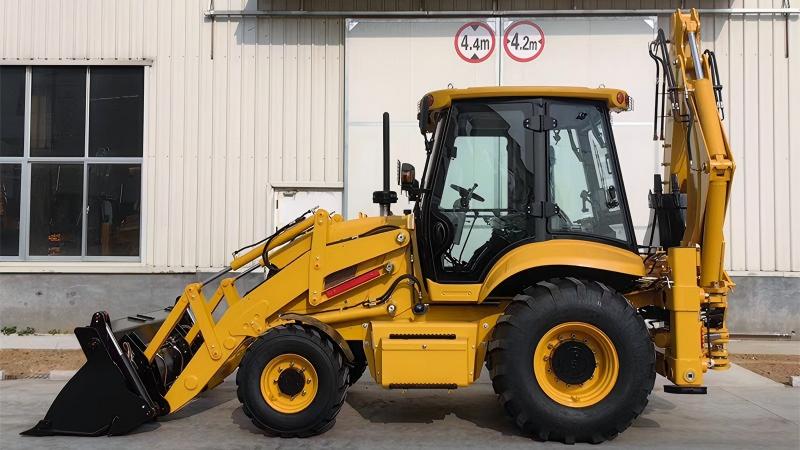
Once the machine is deemed mechanically sound, the next pillar of safety is worksite awareness and preparation. An operator must actively participate in or conduct a site assessment. This involves identifying and clearly marking all underground utilities by contacting relevant authorities before any digging commences. Overhead hazards, such as power lines, are especially deadly; maintaining a safe distance of at least 10 feet (or more as per local regulations) for every 10 kV of voltage is a cardinal rule. The worksite terrain must be evaluated for stability, looking out for hidden drop-offs, trenches, loose fill, or slopes that could compromise the machine’s center of gravity. Establishing clear communication protocols with ground personnel using standardized hand signals is vital, and a dedicated spotter should be used for blind-spot operations. When traveling on public roads or within a site, always use the bucket in the lowered transport position, travel at a safe speed, and use extreme caution on grades and turns. The operator must remain constantly vigilant, scanning 360 degrees for personnel, vehicles, and changing site conditions. Remember, the backhoe loader has significant blind spots, particularly to the rear and right side; never assume the area is clear without direct visual confirmation or spotter guidance.
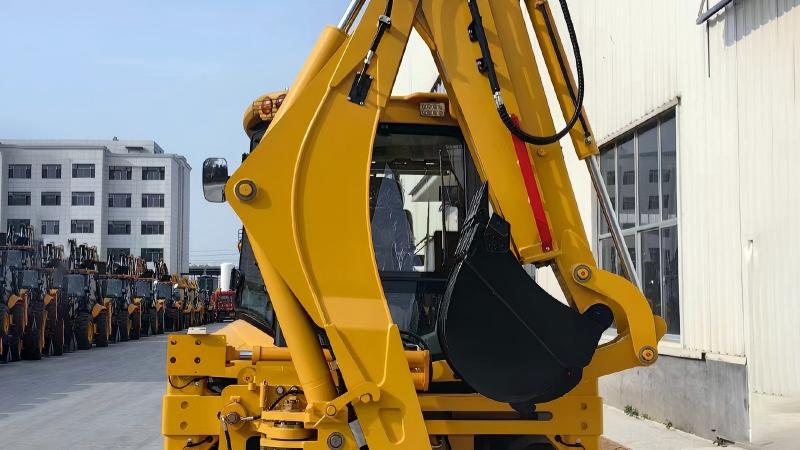
The actual work phases—digging with the backhoe and loading with the front bucket—require specialized, disciplined techniques to maintain stability and control. When setting up for trenching, always position the machine on firm, level ground with the backhoe boom squarely facing the dig area. Extend the stabilizer pads fully to the ground to create a solid foundation; never dig without them. During the digging cycle, avoid "swinging" the loaded backhoe over the cab or any personnel. The safe practice is to swing over the stabilizers, minimizing the risk of a tip-over. Keep the bucket close to the ground during swings to lower the center of gravity. When using the loader, avoid carrying the bucket too high while traveling, as this drastically reduces stability and forward visibility. Load evenly and avoid overloading one side of the bucket. For loading trucks, approach the vehicle squarely, place the load gently, and avoid contacting the truck walls or cab. A critical, often neglected rule is to never allow anyone in the trench or work area within the swing radius of the machine. The combination of a heavy, moving machine and human proximity is a leading cause of fatal incidents in construction.

Ultimately, the most sophisticated safety protocols are ineffective without a competent and safety-conscious operator. Comprehensive, certified training is not just recommended; it is imperative. Formal training programs combine classroom instruction on theory, stability principles, and regulations with extensive hands-on, supervised practice. Operators must be evaluated and certified for the specific type and model of equipment they will use. Beyond initial certification, ongoing refresher courses are crucial to reinforce safe habits and introduce new technologies. Modern backhoe loaders come equipped with advanced safety features like rear-view cameras, load moment indicators, and proximity sensors, but these are aids, not replacements, for skilled operation. Fostering a strong safety culture on the worksite, where every worker feels empowered to call out unsafe acts or conditions, completes the safety ecosystem. Safe operation is the product of relentless attention to detail, respect for the machine’s immense power, and an unwavering commitment to protecting oneself and everyone on the site.
Post time:Dec.25.2025
