
Proper maintenance of a pallet stacker is fundamental to ensuring its safe operation, maximizing its lifespan, and protecting your investment. At its core, basic maintenance is a blend of daily vigilance, routine servicing, and a proactive approach to identifying potential issues before they lead to costly downtime or safety hazards. For operators and facility managers, understanding that maintenance goes beyond just fixing broken parts is crucial; it's about creating a culture of preventive care. This starts with recognizing the pallet stacker—whether it's a manual hydraulic, walkie, or ride-on model—as a precision piece of material handling equipment. Its health directly impacts workflow efficiency and, most importantly, workplace safety. The foundation of all maintenance is the operator's pre-shift inspection, a mandatory practice that should be as routine as starting the workday. This visual and operational check is the first line of defense, designed to catch obvious defects or performance issues before the equipment is put under load. A formal checklist should guide this process, but it requires a trained operator who knows not just what to look at, but what to look for. Establishing this disciplined routine is the single most effective step in basic maintenance, turning every operator into a guardian of equipment reliability and a key contributor to a safer working environment.
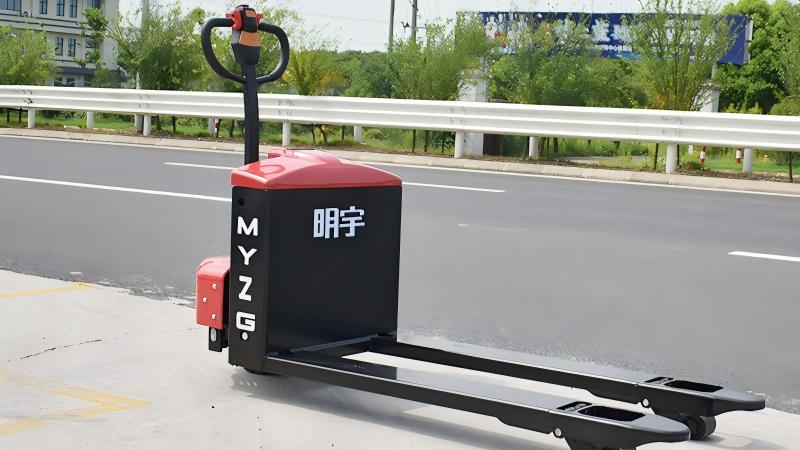
The daily pre-operation inspection is a systematic process that should take no more than ten to fifteen minutes but can prevent the majority of common operational failures. The inspection begins with the power source. For electric stackers, this means checking the battery's state of charge, ensuring it is properly seated and secured, and examining cables and connectors for any signs of damage, corrosion, or loose connections. The hydraulic system is next; the operator must check the fluid level in the reservoir, looking through the sight glass or using the dipstick. Any signs of cloudiness or contamination indicate a need for service. Inspecting all hydraulic hoses, fittings, and the pump unit for leaks, cracks, or abrasion is critical, as even a small leak can lead to system failure and environmental contamination. The physical structure of the stacker demands close attention: the forks for cracks, twists, or excessive wear, especially at the heel; the load backrest for integrity; and the mast channels for any dents, bends, or debris that could hinder smooth operation. Wheels and casters are checked for wear, damage, and for the presence of foreign objects that could impede movement. Finally, all functional controls are tested without a load: the lift/lower mechanism, the manual or powered drive, the steering handle, and all safety devices like the deadman brake, horn, and emergency lowering valve. Any fault found during this inspection must immediately take the stacker out of service until rectified by qualified personnel.
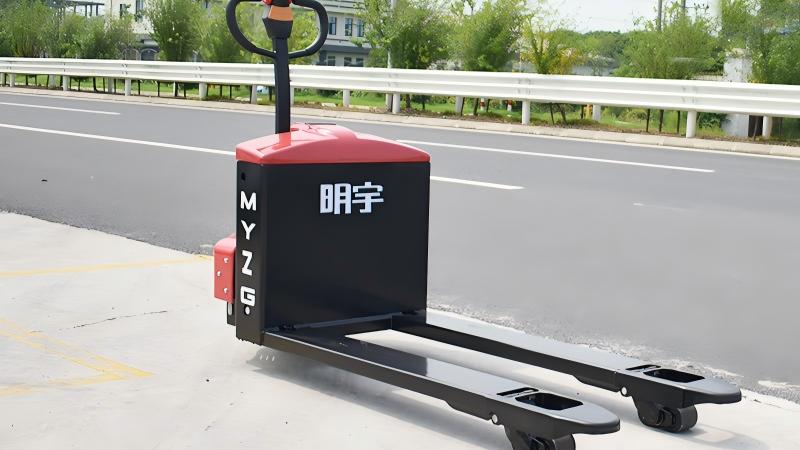
While daily checks are operator-led, scheduled periodic maintenance forms the backbone of mechanical integrity. This involves tasks performed at weekly, monthly, or hourly intervals as specified by the manufacturer's manual. A key weekly task is a thorough cleaning of the entire unit, removing dirt, debris, and spilled materials from the mast, forks, and chassis. This isn't just for appearance; built-up grime can hide damage and accelerate wear on moving parts. Battery maintenance for electric models is paramount. This includes proper charging practices—using the correct charger, allowing the battery to cool before charging, and avoiding partial charges when possible. Regularly checking and maintaining proper electrolyte levels (for flooded lead-acid batteries) and cleaning battery terminals with a baking soda solution to prevent corrosion are essential for battery longevity. Lubrication is another critical periodic task. All pivot points, such as those on the steering mechanism and linkage points on the hydraulic control valve, should be lubricated with the recommended grease. The mast rollers and channels also require regular cleaning and light lubrication to ensure smooth, friction-free lifting and lowering. Additionally, checking and tightening all visible bolts, nuts, and hardware according to a torque schedule helps prevent loosening due to vibration. For manual hydraulic stackers, this includes inspecting the pump piston and seals for wear. Keeping a detailed log of all maintenance activities, including dates, tasks performed, and any parts replaced, creates a valuable history that aids in diagnosing future issues and planning major overhauls.
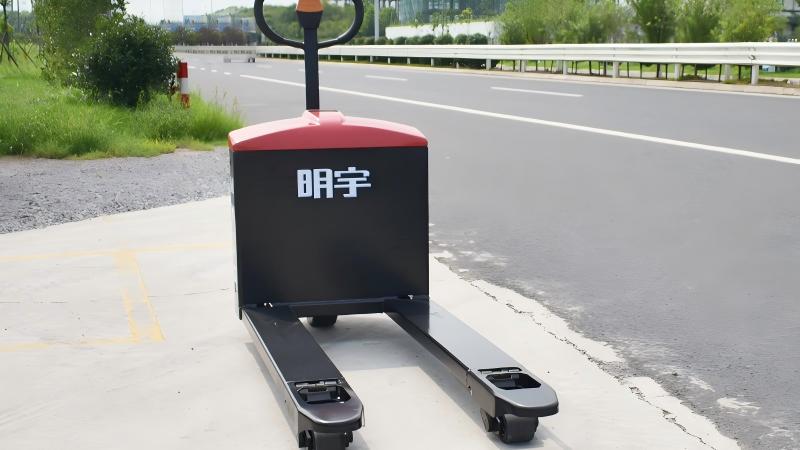
The ultimate goal of basic maintenance is unwavering operational safety and long-term cost control. A well-maintained pallet stacker operates predictably, reduces the risk of sudden failure that could lead to load drops or collisions, and ensures safety features function as designed. Beyond safety, consistent maintenance directly impacts the total cost of ownership. It dramatically reduces the likelihood of major, expensive repairs, such as hydraulic pump replacement or mast rebuilds, by catching small issues early. It also maintains the stacker's efficiency; for example, proper tire inflation and wheel condition reduce the effort required to move the unit, while a healthy hydraulic system lifts loads smoothly without strain. Furthermore, a documented maintenance history significantly supports the equipment's residual value if it is ever sold. Perhaps most importantly, basic maintenance is a non-negotiable aspect of regulatory compliance. Organizations like OSHA (Occupational Safety and Health Administration) have general requirements that powered industrial trucks be examined before being placed into service and be maintained in safe working order. Having a systematic, documented maintenance program demonstrates due diligence and helps create a culture of safety. In conclusion, performing basic maintenance on a pallet stacker is not merely a technical chore but a fundamental operational discipline. It empowers operators, safeguards personnel, optimizes productivity, and ensures that this essential piece of equipment remains a reliable asset for years to come.
Post time:Feb.02.2026
