
The fuel consumption of a wheel loader is not a singular, fixed figure but a dynamic variable influenced by a complex interplay of operational, environmental, and machine-specific factors. At its core, fuel consumption, typically measured in liters or gallons per hour (L/h or gph), directly dictates a significant portion of a project's operational expenses. A common baseline for large wheel loaders, such as those in the 5 to 8 cubic meter bucket capacity range, can range from 15 to 30 liters per hour under typical working conditions. However, this is merely a starting point. The primary determinants begin with the machine's specifications: engine size and tier rating, horsepower, weight, and the efficiency of its hydraulic system and transmission. A modern Tier 4 Final or Stage V engine, while cleaner, may have different consumption characteristics compared to older models due to advanced emissions control systems like Selective Catalytic Reduction (SCR) and Diesel Particulate Filters (DPF). Furthermore, the fundamental design of the machine, including whether it utilizes a conventional torque converter transmission or a more modern continuously variable transmission (CVT), plays a crucial role. CVTs, for instance, are engineered to keep the engine operating at its most efficient RPM for a given power demand, potentially leading to substantial fuel savings of 15-25% compared to traditional powertrains in certain cycling applications.
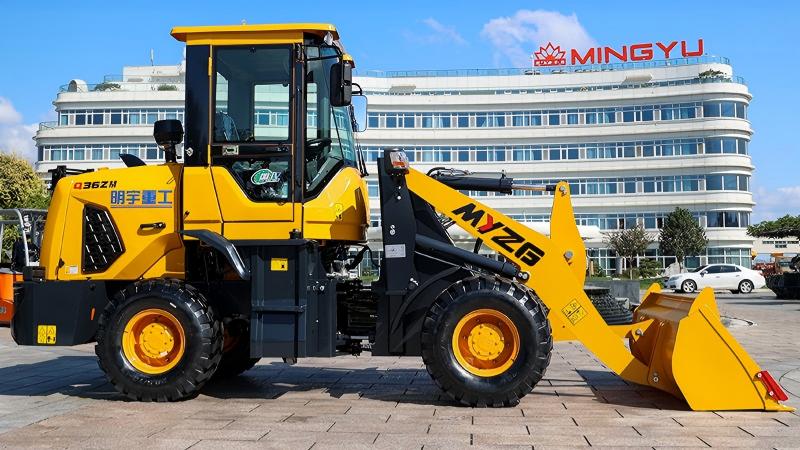
Beyond the machine itself, the application and operator behavior are arguably the most significant influences on fuel burn. The duty cycle—comprising load, distance, and cycle time—is paramount. A wheel loader engaged in short, aggressive truck-loading cycles with rapid acceleration, high hydraulic demand for fast lifting, and frequent directional changes will consume vastly more fuel than one performing long, steady production runs in a stockpile or handling light materials. The material density is critical; loading iron ore is immensely more demanding than handling wood chips. Operator skill is a major variable; an experienced operator who utilizes smooth control inputs, minimizes high-engine-speed idling, plans efficient paths, and employs optimal digging and lifting techniques can reduce fuel consumption by 10% to 20% compared to an aggressive, less-skilled operator. Environmental conditions also contribute; operating at high altitude reduces engine efficiency, while extreme temperatures can affect both engine performance and hydraulic system viscosity. Soft, uneven underfoot conditions increase rolling resistance, forcing the machine to work harder, whereas a firm, level surface promotes efficiency.
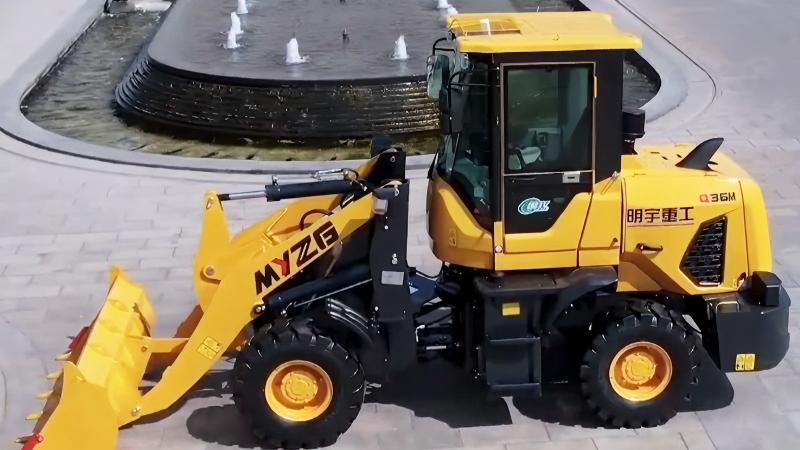
To manage and optimize consumption, the industry has seen a surge in technological integration. Modern wheel loaders are equipped with sophisticated telematics and onboard monitoring systems that provide real-time and historical data on fuel usage, idle time, PTO (Power Take-Off) engagement, and operator performance. These systems allow fleet managers to pinpoint inefficiencies, coach operators, and compare fuel performance across different machines and job sites. Additionally, many manufacturers offer advanced productivity features that directly impact fuel economy. Auto-idle shutdown systems turn the engine off after a preset idle period. Eco modes reprogram the engine and transmission control software to prioritize fuel efficiency over maximum power or speed. Load-sensing hydraulics adjust pump flow to match demand precisely, reducing wasted energy. Some models even feature regenerative systems that capture braking energy, converting it into hydraulic or electrical energy for reuse. The adoption of alternative fuels and powertrains, such as electric wheel loaders, is also growing for specific applications, offering the potential for zero exhaust emissions and dramatically lower "energy" costs per hour, though their viability depends on grid access, duty cycle, and initial investment.
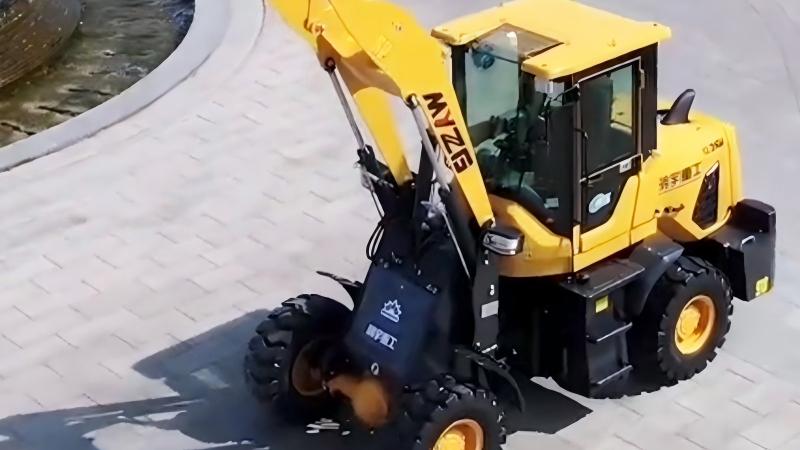
Ultimately, understanding and minimizing wheel loader fuel consumption is a strategic imperative for business profitability and environmental sustainability. Best practices involve a holistic approach: selecting the right-sized machine for the application, ensuring proper tire selection and inflation, adhering to rigorous preventive maintenance schedules (clean air filters, correct engine oil, well-adjusted systems), and investing in comprehensive operator training programs. Analyzing telematics data to identify trends and anomalies is key to continuous improvement. While the upfront cost of a newer, more efficient machine or advanced technology can be significant, the total cost of ownership (TCO) calculation often reveals substantial long-term savings through reduced fuel and maintenance costs. Therefore, evaluating fuel consumption is not just about the number on a spec sheet; it is about analyzing the entire ecosystem of machine, man, material, and method to drive efficiency, lower carbon footprint, and enhance the bottom line for construction, mining, and material handling operations worldwide.
Post time:Feb.02.2026
