
Forklifts are indispensable machines in modern industrial and logistical operations, designed to lift, move, and stack materials with precision and efficiency. Among the most common types is the electric forklift, which has gained immense popularity due to its environmental benefits and operational versatility. These forklifts are powered by rechargeable batteries, making them ideal for indoor use in warehouses, distribution centers, and manufacturing facilities where emissions must be minimized. Electric forklifts are known for their quiet operation, low maintenance costs, and ability to work in confined spaces. They come in various configurations, including three-wheel and four-wheel models, each tailored to specific tasks. The three-wheel electric forklift offers enhanced maneuverability, perfect for navigating narrow aisles and tight corners, while the four-wheel version provides greater stability for heavier loads. Additionally, electric forklifts often feature advanced technologies such as regenerative braking, which conserves energy and extends battery life. Their lifting capacities typically range from 3,000 to 8,000 pounds, though some heavy-duty models can handle even more. As industries increasingly prioritize sustainability, electric forklifts are becoming the go-to choice for companies aiming to reduce their carbon footprint while maintaining high productivity. Their adaptability to different environments, from food processing plants to retail warehouses, underscores their critical role in streamlining material handling processes.
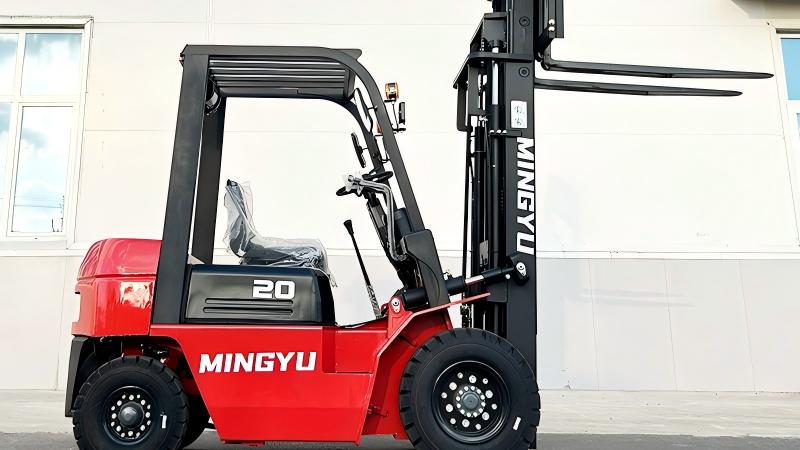
Another widely used category is internal combustion (IC) forklifts, which are powered by diesel, gasoline, or liquid propane gas (LPG). These forklifts are renowned for their robustness and ability to handle demanding outdoor tasks, such as in construction sites, lumber yards, and ports. Diesel-powered forklifts, in particular, are favored for their high torque and durability, making them suitable for rough terrain and heavy-load applications. They can lift loads ranging from 8,000 to over 36,000 pounds, depending on the model. Gasoline and LPG forklifts offer a balance between power and flexibility, often used in mixed indoor-outdoor settings where ventilation is adequate. IC forklifts generally have higher operational costs than electric models due to fuel consumption and maintenance needs, but they excel in environments where continuous, heavy-duty use is required. Their design often includes large, pneumatic tires that provide traction on uneven surfaces, and some models come with four-wheel drive for enhanced performance in challenging conditions. Despite the noise and emissions associated with IC forklifts, technological advancements have led to cleaner and more efficient engines, aligning with stricter environmental regulations. These forklifts are integral to industries like agriculture, mining, and large-scale logistics, where their power and endurance are unmatched. Their versatility in handling pallets, containers, and bulk materials ensures they remain a cornerstone of industrial material handling.
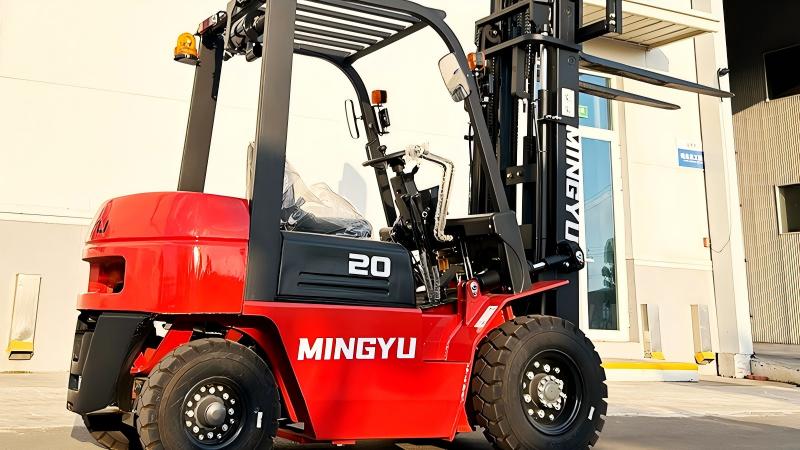
Specialized forklifts cater to niche applications, enhancing efficiency in specific industries. The reach truck, for instance, is designed for high-density warehouse storage, featuring extendable forks that can access pallets in narrow aisles and elevated racks. These trucks are electric and operate in environments where space optimization is crucial, often reaching heights of up to 40 feet. Another notable type is the pallet jack, or pallet truck, which is a simpler, manual or electric-powered device for moving pallets over short distances. While not technically a forklift, it is a fundamental tool in material handling. For heavy industries, the rough-terrain forklift stands out with its large, rugged tires and robust construction, built to operate on unpaved surfaces like construction sites or agricultural fields. These forklifts often come with telescopic booms or extended forks to handle irregular loads. In the realm of cold storage, electric forklifts with specialized seals and components are used to withstand freezing temperatures, ensuring reliability in food processing or refrigerated warehouses. Additionally, sideloader forklifts are designed for handling long, bulky items like timber or pipes, as they load from the side rather than the front. This design allows for efficient transport in confined spaces, such as shipping yards or manufacturing plants. Each specialized forklift addresses unique challenges, from maximizing vertical storage to operating in extreme conditions, showcasing the adaptability of material handling technology.
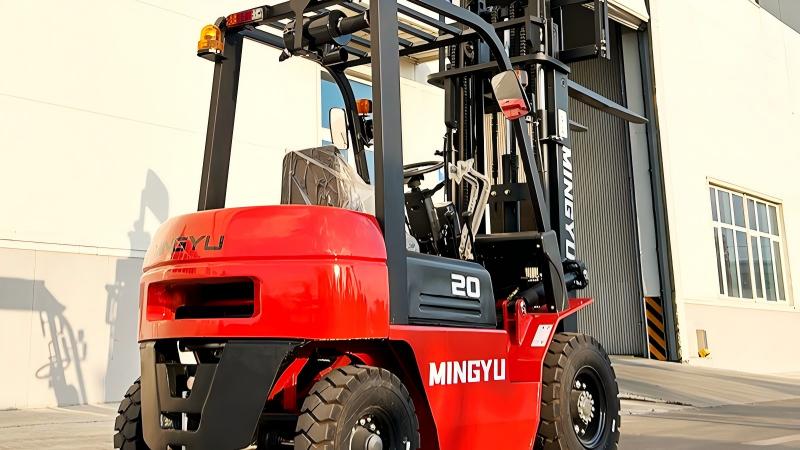
The evolution of forklift technology continues to shape industries worldwide, with trends like automation and connectivity driving innovation. Automated guided vehicles (AGVs) and autonomous forklifts are becoming more prevalent, especially in large-scale warehouses and smart factories, where they reduce labor costs and improve safety. These systems use sensors and software to navigate and perform tasks with minimal human intervention. Furthermore, telematics and IoT (Internet of Things) integration enable real-time monitoring of forklift performance, fuel efficiency, and maintenance needs, enhancing operational transparency. As global supply chains expand, the demand for diverse forklift types grows, emphasizing the need for tailored solutions. Electric forklifts are expected to dominate indoor markets, while IC models will continue to serve outdoor and heavy-duty sectors. Specialized equipment will advance with features like enhanced ergonomics and energy-efficient designs. Ultimately, understanding the common types of forklifts—from electric and IC to reach trucks and rough-terrain models—empowers businesses to choose the right equipment for their needs, boosting productivity and safety. As industries evolve, forklifts will remain at the heart of material handling, adapting to new challenges and technological opportunities.
Post time:Jan.26.2026
