
Operating a wheel loader seems deceptively simple: scoop, lift, carry, dump, repeat. However, beneath this apparent simplicity lies a machine whose efficiency, longevity, and safety are profoundly dependent on the skill and knowledge of the person in the cab. Common operating mistakes, often born from habit, inadequate training, or pressure to meet deadlines, can have devastating consequences, ranging from immediate catastrophic failure to a slow, expensive degradation of the machine. One of the most pervasive and damaging mistakes is improper bucket loading and digging technique. Operators seeking to save time often attack the pile or excavation face at high speed, using the machine's momentum and hydraulic force to jam the bucket into the material. This "ramming" technique places astronomical stress on the loader's front-end components, including the boom arms, pivot pins, cylinder mounts, and the bucket itself. The shock loads generated can lead to hairline cracks, premature metal fatigue, and eventual structural failure. Furthermore, it often results in an unevenly loaded bucket, with material piled high at the back and the cutting edge only partially engaged. This not only reduces the actual payload per cycle—hurting productivity—but also creates unstable load handling and poor visibility. The correct method involves approaching the pile squarely and using the machine's tractive effort to progressively curl the bucket while driving forward, allowing the material to flow into the bucket evenly and with far less destructive stress on the machine's core structure. This controlled, "peeling" method maximizes bucket fill factor, protects the equipment, and is ultimately faster over a full shift due to reduced strain and smoother operation.
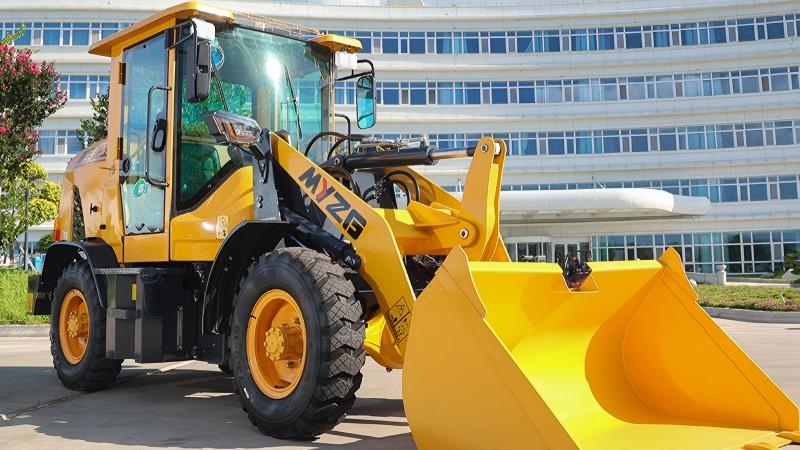
Another critical domain of error revolves around poor travel practices and site awareness, which directly compromise safety and machine health. Wheel loaders are not designed for high-speed road travel over long distances, yet operators frequently traverse sites at excessive speeds, especially when carrying a loaded bucket held high. This dramatically raises the machine's center of gravity, making it extremely prone to tipping, particularly when turning or crossing uneven ground. A rollover accident is often catastrophic. Equally dangerous is traveling with the load raised simply for better forward visibility, as it turns the massive bucket into a lethal pendulum that can crush anything or anyone it swings into. Proper protocol dictates traveling with the load low, typically no more than 12 to 16 inches from the ground, to maintain stability. Additionally, failure to maintain 360-degree awareness is a cardinal sin. The size of the machine creates substantial blind spots, especially to the rear and directly in front of the bucket. Moving or turning without using spotters, cameras, or a disciplined routine of looking in the direction of travel has led to countless incidents involving other vehicles, workers on foot, or site infrastructure. Furthermore, operating on slopes incorrectly—such as turning across a grade instead of going straight up or down—greatly increases tip-over risk. These travel-related mistakes underscore that operating a loader is not just about manipulating controls but about constantly managing momentum, balance, and a dynamic, often hazardous, environment.
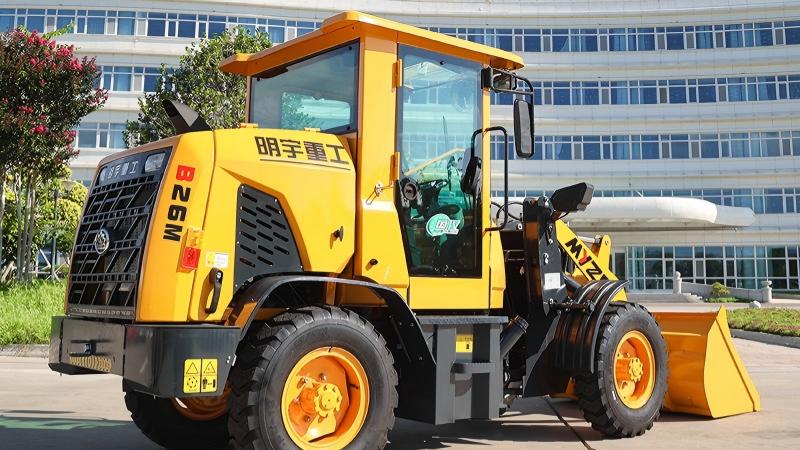
The third major category of mistakes concerns operational habits that silently but steadily drain productivity and profit while accelerating wear and tear. A prime example is incorrect RPM management. Many operators run the engine at full throttle constantly, believing it equates to maximum power and speed. In reality, this wastes vast amounts of fuel, increases noise pollution, and subjects every rotating and moving component to unnecessary stress and heat. Modern loaders are designed to deliver optimal hydraulic performance and breakout force at an engine speed often below maximum RPM; a skilled operator modulates the throttle based on the task. Similarly, constant "over-cycling"—rushing through the load-lift-dump-return sequence too quickly—causes violent jerking motions, spills material, and again stresses linkages and hydraulics. Smooth, deliberate motions are almost always faster over a full cycle. Another costly mistake is using the bucket as a versatile but inappropriate tool—as a hammer to break up material, a bulldozer to backdrag or grade extensively, or a pry bar to lift other equipment. These actions bend the cutting edge and bucket sidewalls, damage linkage geometry, and can cause immediate hydraulic system failure from overpressure. The loader is a tool for digging and carrying; using attachments or other dedicated machines for secondary tasks is far more economical than repairing a ruined bucket or boom. Finally, neglecting simple pre-operation checks—tire pressure, fluid levels, visual inspection for leaks or damage—allows minor issues to escalate into major downtime. Each of these habits individually siphons off efficiency, but collectively they can double operating costs through fuel waste, repair bills, and reduced output.
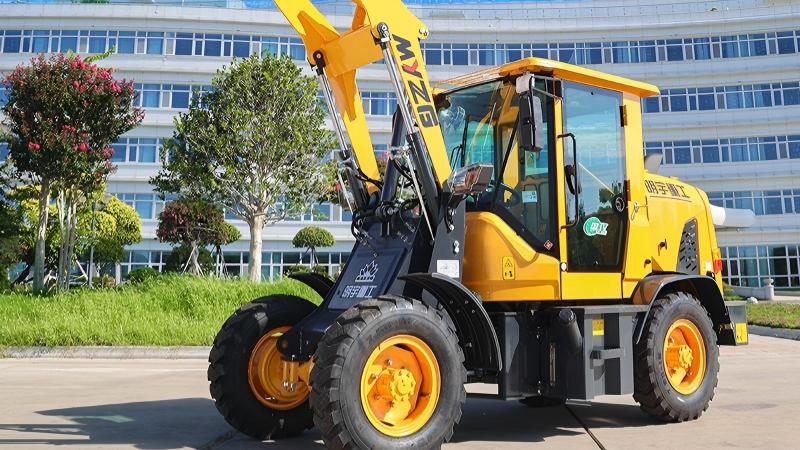
Finally, perhaps the most systemic mistake is the broader context of inadequate training and a culture that prioritizes speed over sustainable, smart operation. Too often, new or inexperienced operators are given only basic familiarization with controls before being sent to "learn on the job." They replicate the bad habits of their predecessors without understanding the physics and mechanics at play. Comprehensive training must cover not just how to make the machine move, but why certain techniques are prescribed. This includes education on load charts and stability principles, understanding the machine's hydraulic and powertrain systems, and developing a keen sense of spatial awareness. Furthermore, management bears responsibility for creating an environment where safe, methodical work is rewarded over reckless speed. Pushing operators to meet unrealistic cycle-time targets incentivizes corner-cutting on safety and technique. The financial argument for proper operation is overwhelming: a well-operated loader achieves more tons-per-gallon of fuel, experiences fewer unscheduled downtime events, commands a higher resale value, and most importantly, ensures everyone on site goes home safely. Investing in high-quality, ongoing operator certification programs and fostering a culture of operational excellence is not an expense but a direct contributor to the bottom line, preventing the multitude of mistakes that turn a productive asset into a liability.
Post time:Jan.26.2026
