
What Is a Wheel Loader Used for in Construction?
1. Introduction
Wheel loaders are among the most important and versatile machines used in the construction industry today. Whether on residential building sites, large commercial developments, road construction projects, mining operations, or agricultural facilities, wheel loaders play a critical role in moving, loading, lifting, and transporting materials efficiently. Their ability to perform multiple tasks with a single machine makes them an essential investment for contractors and equipment fleet managers worldwide.
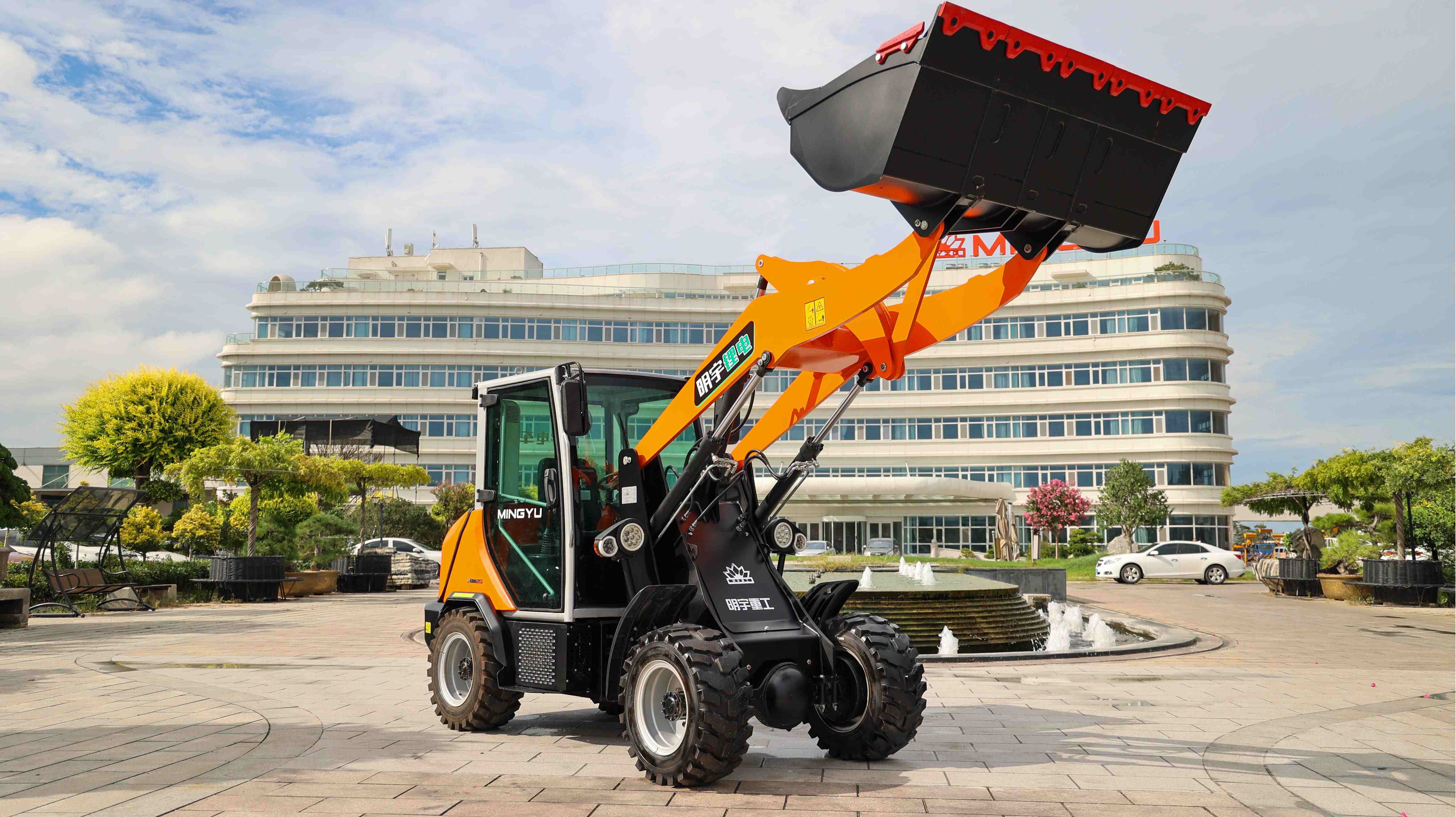
A wheel loader is a heavy equipment machine equipped with a front-mounted bucket connected to hydraulic lifting arms. The machine is designed to scoop, carry, and dump materials such as soil, sand, gravel, crushed stone, debris, asphalt, and snow. Unlike tracked loaders, wheel loaders use pneumatic tires, providing greater mobility, faster travel speeds, and reduced ground damage. These characteristics make wheel loaders ideal for construction sites where efficiency and flexibility are critical.
Over the years, wheel loaders have evolved significantly. Modern machines now feature advanced hydraulic systems, ergonomic operator cabins, intelligent control systems, telematics, and fuel-efficient engines. Many models can also utilize a variety of attachments, transforming the machine from a simple loader into a versatile tool carrier capable of handling pallets, logs, pipes, and other specialized materials.
This article explores the primary uses of wheel loaders in construction, their advantages, common applications, attachment options, and factors to consider when selecting the right machine for your project.
2. Understanding the Basic Functions of a Wheel Loader
A wheel loader is designed primarily for loading and transporting loose materials. The machine consists of a powerful engine, articulated chassis, hydraulic lifting system, and a front bucket attachment. The articulation joint located in the center of the machine allows it to maneuver effectively in confined construction environments.
The hydraulic system provides lifting and tilting force to the bucket, enabling operators to scoop materials, raise them to a desired height, and dump them into trucks, hoppers, or stockpiles. This capability significantly improves job site productivity compared to manual labor or smaller equipment.
Wheel loaders are available in various sizes, ranging from compact models with bucket capacities under 1 cubic meter to large quarry machines carrying more than 10 cubic meters per load. The choice depends on project requirements, material density, and production targets.
Because wheel loaders combine power, mobility, and versatility, they are frequently considered one of the most valuable machines on any construction site.
3. Material Loading and Transportation
One of the primary uses of a wheel loader is loading materials into transport vehicles. Construction projects require constant movement of aggregates, soil, sand, crushed rock, and demolition waste. Wheel loaders efficiently collect these materials and load them into dump trucks for transportation.
Loading trucks manually would be extremely time-consuming and labor-intensive. A wheel loader can complete a loading cycle in less than a minute, dramatically increasing productivity and reducing project timelines. This efficiency is especially important on large-scale infrastructure projects where thousands of tons of material must be moved daily.
Wheel loaders are also widely used for transporting materials across construction sites. Although not designed for long-distance hauling, they can quickly move materials between stockpiles, work zones, and loading areas. Their higher travel speeds compared to tracked equipment make them highly effective for short-distance transportation tasks.
In aggregate yards and quarries, wheel loaders continuously manage stockpiles by organizing materials, feeding crushers, and loading trucks. Their ability to handle bulk materials efficiently makes them indispensable in these environments.
4. Earthmoving and Excavation Support
Wheel loaders play a major supporting role in earthmoving and excavation operations. While excavators are generally responsible for digging, wheel loaders assist by moving excavated materials and preparing construction sites.
Before construction begins, wheel loaders are often used to clear land by removing vegetation, debris, rocks, and unwanted materials. They help create a clean and safe working environment for subsequent operations.
During excavation projects, wheel loaders transport excavated soil away from trenches and foundations. They can quickly load spoil material into trucks or relocate it to designated stockpiles. This continuous material movement allows excavators to operate without interruption.
Wheel loaders are also highly effective for backfilling applications. After underground utilities, pipelines, or foundations are installed, loaders transport and place backfill material around structures. Their ability to precisely control bucket movements improves efficiency during these operations.
By supporting excavation crews, wheel loaders contribute significantly to overall project productivity.
5. Common Construction Applications
Wheel loaders are used across virtually every sector of the construction industry.
In road construction, wheel loaders transport aggregates, load asphalt plants, supply paving crews, and move construction materials around the project site. Their speed and mobility allow them to support multiple operations simultaneously.
Residential construction projects frequently utilize compact wheel loaders for foundation preparation, material transportation, landscaping, and site cleanup. Their smaller dimensions make them suitable for working in neighborhoods with limited space.
Commercial and industrial developments rely on medium and large wheel loaders for large-scale earthmoving, stockpile management, and loading operations. These machines handle substantial volumes of material while maintaining high productivity levels.
Infrastructure projects such as airports, bridges, ports, railways, and highways also depend heavily on wheel loaders. Their ability to move large quantities of material efficiently contributes to faster project completion and reduced operating costs.
Because of their versatility, wheel loaders are often among the first machines to arrive on a construction site and among the last to leave.
6. Specialized Tasks Using Wheel Loader Attachments
One of the greatest advantages of a wheel loader is its compatibility with a wide range of attachments. Modern quick-coupler systems allow operators to switch attachments rapidly, transforming the machine for different applications.
Fork attachments convert a wheel loader into a material handling machine capable of transporting palletized goods, construction materials, bricks, concrete blocks, and industrial supplies. This functionality reduces the need for dedicated forklifts in some applications.
Grapples are commonly used in demolition, forestry, recycling, and waste management operations. These attachments enable operators to handle logs, scrap metal, branches, pipes, and bulky debris safely and efficiently.
Snow blades and snow pushers allow wheel loaders to perform winter maintenance tasks such as clearing roads, parking lots, and industrial facilities. Municipalities often rely on wheel loaders during severe weather events.
High-dump buckets are useful for loading materials into taller trucks or hoppers. Other specialized attachments include sweepers, augers, trenchers, bale handlers, and bucket extensions.
This adaptability significantly increases machine utilization and maximizes return on investment.
7. Advantages of Using a Wheel Loader in Construction
Wheel loaders offer numerous advantages that explain their widespread popularity in the construction industry.
First, they deliver exceptional productivity. Large bucket capacities and fast hydraulic cycle times allow operators to move substantial amounts of material quickly. This efficiency reduces labor requirements and accelerates project completion.
Second, wheel loaders provide outstanding versatility. With various attachment options available, a single machine can perform multiple tasks throughout the year. This flexibility improves equipment utilization rates and reduces capital expenditures.
Third, wheel loaders offer excellent mobility. Their wheeled design enables higher travel speeds compared to tracked equipment. Operators can move rapidly between work areas without requiring transportation equipment.
Fourth, modern wheel loaders are increasingly fuel-efficient. Advanced engine technologies, load-sensing hydraulics, and intelligent transmission systems help reduce fuel consumption while maintaining performance.
Finally, wheel loaders are known for durability and long service life. Properly maintained machines often remain productive for thousands of operating hours, making them a cost-effective investment.
8. Choosing the Right Wheel Loader for Construction Projects
Selecting the correct wheel loader requires careful evaluation of project requirements.
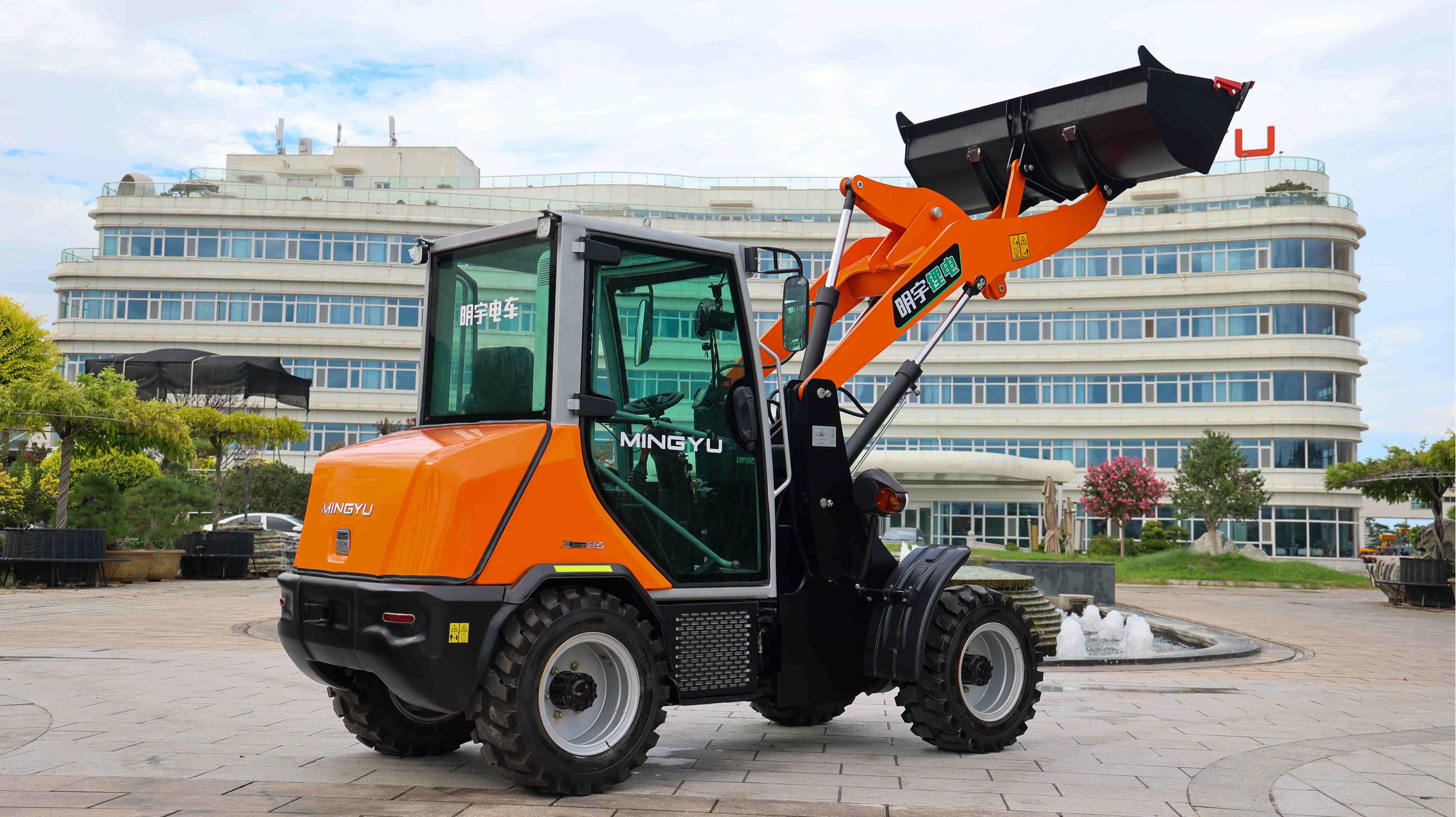
Compact wheel loaders are ideal for landscaping, municipal maintenance, residential construction, and confined work environments. Their smaller size allows easy transportation and excellent maneuverability.
Medium-sized wheel loaders represent the most common category in construction. They provide a balance between lifting capacity, bucket size, fuel efficiency, and operating costs. These machines are suitable for general construction, aggregate handling, and material transportation.
Large wheel loaders are designed for heavy-duty operations such as mining, quarrying, and large-scale infrastructure projects. Their massive buckets and high operating weights enable exceptional production rates.
When evaluating wheel loaders, buyers should consider bucket capacity, rated load, tipping load, breakout force, operating weight, engine power, hydraulic performance, dump height, and attachment compatibility.
Additional factors such as operator comfort, visibility, maintenance accessibility, fuel consumption, and dealer support should also influence purchasing decisions.
A properly selected wheel loader improves productivity, lowers operating costs, and enhances overall project efficiency.
9. Future Trends in Wheel Loader Technology
The wheel loader industry continues to evolve as manufacturers introduce new technologies aimed at improving efficiency, sustainability, and safety.
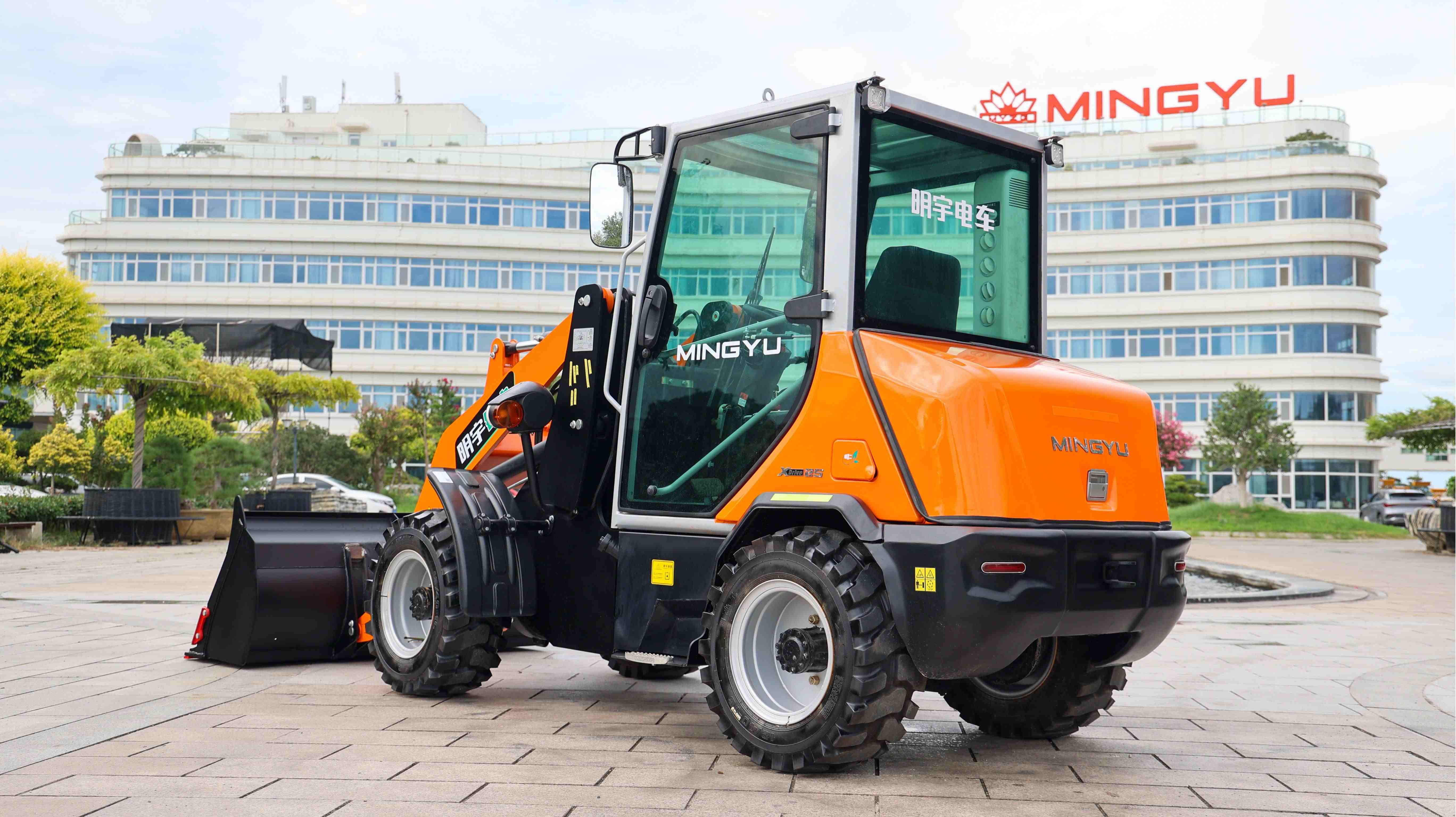
Electric wheel loaders are becoming increasingly popular, particularly in urban environments and indoor applications. These machines produce zero on-site emissions, reduce noise levels, and offer lower operating costs compared to traditional diesel models.
Telematics systems now allow fleet managers to monitor machine performance remotely. Data such as fuel consumption, idle time, maintenance intervals, and operator behavior can be analyzed to optimize productivity.
Automation is another growing trend. Semi-autonomous and autonomous wheel loaders are being developed for mining and industrial applications. These technologies have the potential to improve safety and reduce labor costs.
Safety innovations continue to advance as well. Modern wheel loaders increasingly feature 360-degree camera systems, collision avoidance technology, object detection sensors, and enhanced operator assistance systems.
As environmental regulations become stricter and digital technologies continue to develop, wheel loaders will become even more efficient and capable.
10. Conclusion
Wheel loaders are among the most versatile and productive machines used in construction today. Their primary functions include loading, transporting, lifting, and dumping materials, but their capabilities extend far beyond these basic tasks. From site preparation and earthmoving to truck loading and material handling, wheel loaders contribute to nearly every stage of a construction project.
The availability of specialized attachments further increases their usefulness, allowing contractors to perform a wide variety of tasks with a single machine. Their combination of productivity, mobility, versatility, and durability makes them an essential asset for construction companies of all sizes.
As technology continues to evolve, future wheel loaders will offer even greater efficiency, lower emissions, improved safety, and enhanced automation. Whether used on small residential developments or massive infrastructure projects, wheel loaders will remain a cornerstone of modern construction operations for many years to come.
Post time:Jun.15.2026
