
How Much Does a New Electric Forklift Cost in 2026?
1. Introduction
Electric forklifts have become one of the fastest-growing segments of the material handling industry. In 2026, businesses around the world are increasingly replacing diesel and LPG forklifts with electric models due to stricter emissions regulations, rising fuel costs, and improvements in battery technology. Warehouses, distribution centers, manufacturing facilities, food processing plants, and retail operations are all embracing electric forklifts because of their lower operating costs, cleaner operation, and quieter working environments.
However, one of the most common questions buyers ask is: How much does a new electric forklift cost in 2026? The answer depends on several factors, including lifting capacity, battery type, mast configuration, brand reputation, optional features, and market location. Entry-level electric forklifts may cost less than USD 15,000, while heavy-duty lithium-powered models can exceed USD 100,000.
Although the initial purchase price of an electric forklift is typically higher than that of a comparable diesel or LPG model, many companies discover that the lower energy consumption, reduced maintenance requirements, and longer service life significantly lower the total cost of ownership over time.
This article provides a detailed overview of electric forklift prices in 2026, the factors affecting those prices, hidden ownership costs, and whether electric forklifts represent a worthwhile investment for modern businesses.
2. Average Electric Forklift Prices in 2026
The cost of a new electric forklift varies considerably depending on its capacity and configuration.
Entry-level electric forklifts with capacities between 1.0 and 1.5 tons generally cost between USD 12,000 and USD 22,000. These models are commonly used in retail warehouses, small factories, and indoor material handling operations. Their compact size and affordability make them attractive to businesses with limited budgets.
Mid-range electric forklifts with lifting capacities between 2.0 and 3.5 tons represent the largest segment of the market. In 2026, these machines typically sell for USD 18,000 to USD 45,000 depending on battery type and equipment options. They are widely used in logistics centers, manufacturing facilities, and wholesale distribution warehouses.
Heavy-duty electric forklifts with capacities ranging from 4 to 10 tons often cost between USD 45,000 and USD 120,000. Larger models designed for ports, steel plants, and container yards may exceed USD 150,000, particularly when equipped with high-capacity lithium-ion batteries.
As battery technology continues to improve and production volumes increase, electric forklift prices are becoming increasingly competitive compared to traditional internal combustion models.
3. Price Breakdown by Forklift Capacity
Forklift capacity is one of the most important factors influencing purchase price.
A 1-ton electric forklift generally costs between USD 12,000 and USD 18,000. These compact units are suitable for light-duty warehouse applications and narrow aisles.
A 1.5-ton electric forklift typically ranges from USD 15,000 to USD 22,000. This category is particularly popular among small and medium-sized businesses because it balances affordability and productivity.
A 2-ton electric forklift often costs between USD 18,000 and USD 28,000 depending on specifications. These models are commonly found in warehouses and logistics operations.
The 2.5-ton electric forklift remains one of the world's best-selling categories. Prices generally range from USD 20,000 to USD 35,000 for lead-acid models and USD 25,000 to USD 45,000 for lithium-ion versions.
Three-ton electric forklifts typically cost between USD 25,000 and USD 50,000, while 3.5-ton models range from USD 30,000 to USD 60,000.
Heavy-duty electric forklifts with capacities above 5 tons require larger batteries and stronger drive systems, causing prices to increase significantly. These units commonly start around USD 45,000 and can easily exceed USD 100,000.
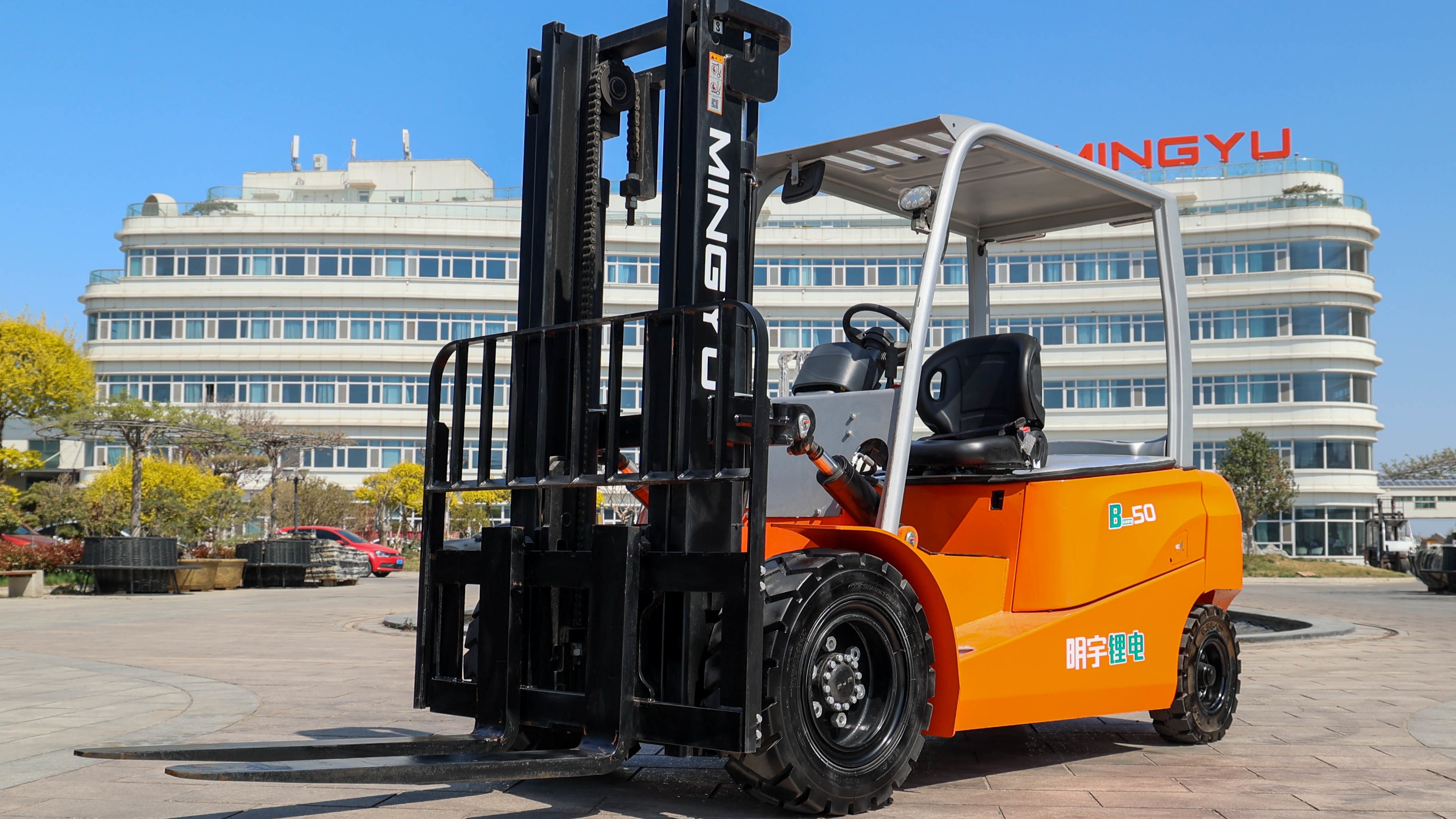
4. Key Factors That Affect Electric Forklift Prices
Several variables can dramatically influence the final purchase price of an electric forklift.
Battery technology is perhaps the most significant factor. Lithium-ion batteries generally increase purchase costs by 20% to 50% compared to traditional lead-acid batteries. However, they offer faster charging, longer lifespan, and lower maintenance costs.
Lift height also affects pricing. A standard duplex mast may be relatively inexpensive, while a triplex or quad mast capable of reaching greater heights can add several thousand dollars to the total cost.
Brand reputation plays an important role. Chinese manufacturers typically offer the most competitive pricing, while Japanese, European, and American brands often command premium prices due to their established reputations and extensive dealer networks.
Additional features such as side shifters, fork positioners, enclosed cabins, air conditioning, reverse cameras, telematics systems, and fleet management software can further increase costs.
Buyers should carefully evaluate which features are necessary for their operations to avoid paying for unnecessary options.
5. Lithium-Ion vs Lead-Acid Electric Forklift Costs
The choice between lithium-ion and lead-acid batteries significantly impacts both initial investment and long-term operating costs.
Lead-acid electric forklifts generally have a lower purchase price. They remain a popular choice for businesses operating single-shift schedules where battery charging can occur overnight. However, these batteries require regular watering, maintenance, and dedicated charging areas.
Lithium-ion forklifts cost more upfront but offer substantial operational advantages. They can be opportunity charged during breaks, require virtually no maintenance, and typically last longer than lead-acid alternatives.
For example, a 2.5-ton electric forklift equipped with a lead-acid battery may cost approximately USD 25,000, while a similar lithium-ion model may cost USD 32,000 to USD 40,000.
Although the initial investment is higher, many businesses recover the difference through lower maintenance costs, improved productivity, and reduced downtime.
Over a five-year period, lithium-ion forklifts often provide a lower total cost of ownership despite their higher purchase price.
6. Hidden Costs Beyond the Purchase Price
The forklift's purchase price is only part of the overall investment.
Shipping and transportation costs can significantly affect the final delivered price. Domestic delivery may cost several hundred dollars, while international shipping can add thousands depending on destination and container availability.
Charging infrastructure is another important consideration. Businesses may need to install charging stations, upgrade electrical systems, or create designated charging areas within their facilities.
Maintenance expenses should also be considered. Although electric forklifts generally require less maintenance than diesel models, components such as tires, hydraulic systems, brakes, and batteries still require periodic servicing.
Operator training and certification may also generate additional costs, particularly in regions where safety regulations require formal forklift operator qualifications.
Understanding these hidden costs helps buyers develop a more accurate budget before making a purchase decision.
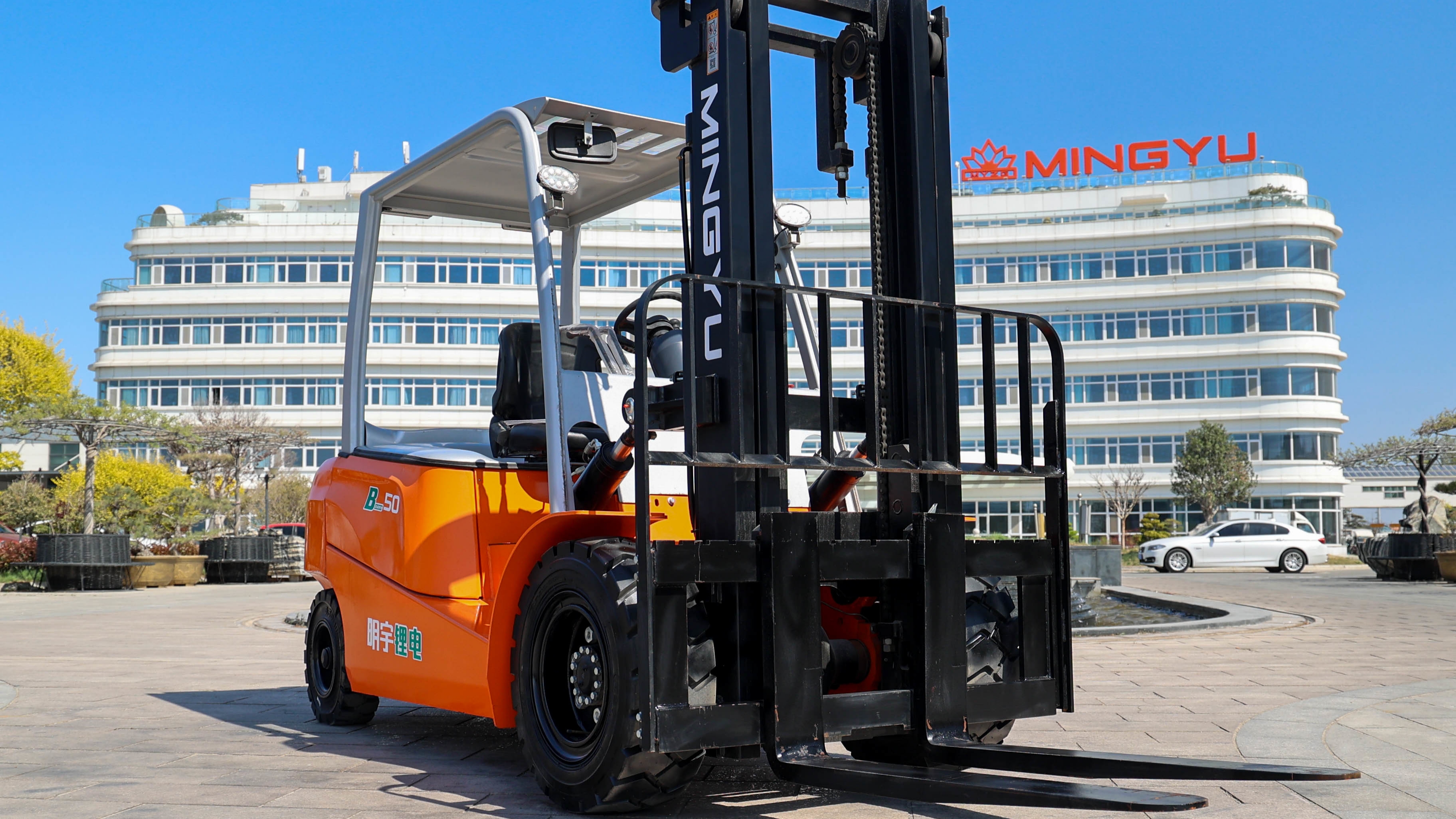
7. Electric Forklift Cost Comparison with Diesel and LPG Models
When comparing forklifts, many buyers focus solely on purchase price. However, operating expenses often have a greater impact over the machine's lifetime.
Diesel forklifts generally have lower purchase prices in higher-capacity categories but incur ongoing fuel expenses and more frequent maintenance requirements. Engine oil changes, filters, cooling systems, and emissions components all add to operating costs.
LPG forklifts offer cleaner operation than diesel models but still require fuel purchases and regular engine maintenance.
Electric forklifts eliminate fuel costs and significantly reduce maintenance expenses because they have fewer moving parts. There are no engine oil changes, fuel filters, spark plugs, or exhaust systems to maintain.
Studies consistently show that electric forklifts can reduce operating costs by 20% to 50% compared with internal combustion forklifts over several years of use.
As energy prices remain relatively stable compared to fossil fuels, electric forklifts continue to become more economically attractive.
8. Best Electric Forklift Options for Different Budgets
Businesses with limited budgets often choose compact lead-acid electric forklifts in the 1.5-ton to 2.5-ton range. These machines provide reliable performance at a relatively affordable cost.
Companies seeking a balance between cost and productivity often select 2.5-ton to 3-ton lithium-ion forklifts. These models are highly versatile and suitable for most warehouse and manufacturing applications.
For high-intensity operations running multiple shifts per day, premium lithium-ion forklifts offer the greatest productivity. Their fast charging capabilities and minimal maintenance requirements make them ideal for demanding environments.
Heavy-duty electric forklifts are increasingly popular in ports, steel mills, paper plants, and large industrial facilities where environmental regulations and fuel savings justify the higher purchase price.
Choosing the right forklift depends on workload, operating hours, lifting requirements, and long-term business objectives.
9. Is an Electric Forklift Worth the Investment in 2026?
For many businesses, the answer is yes.
Electric forklifts provide lower operating costs, reduced maintenance requirements, quieter operation, and zero on-site emissions. These advantages are particularly valuable in indoor environments where air quality and noise reduction are important.
Electric models also offer smoother acceleration, easier operation, and improved operator comfort. These factors can contribute to higher productivity and reduced operator fatigue.
The primary disadvantage remains the higher upfront investment, especially for lithium-ion models. However, declining battery costs and rising fuel prices continue to improve the financial attractiveness of electric forklifts.
Warehouses, distribution centers, food processing plants, pharmaceutical facilities, and manufacturing operations often experience the greatest benefits from transitioning to electric equipment.
As governments continue encouraging electrification and sustainability initiatives, electric forklifts are expected to dominate a growing share of the global forklift market.
10. Conclusion
The cost of a new electric forklift in 2026 depends on capacity, battery technology, lift height, brand, and optional features. Entry-level electric forklifts typically cost between USD 12,000 and USD 22,000, while mid-range models generally range from USD 20,000 to USD 50,000. Heavy-duty electric forklifts can exceed USD 100,000 depending on specifications.
Although electric forklifts often require a larger initial investment than diesel or LPG alternatives, their lower energy consumption, reduced maintenance requirements, and longer-term savings frequently make them the more economical choice.
As battery technology continues to advance and electric equipment adoption accelerates worldwide, electric forklifts are becoming increasingly affordable, efficient, and practical. For businesses seeking lower operating costs, environmental compliance, and long-term value, investing in an electric forklift in 2026 is often a smart and profitable decision.
Post time:Jun.15.2026
