
For decades, the skid steer loader has been the undisputed champion of the compact equipment world, a ubiquitous symbol of versatility and power on job sites from farms to construction zones. Its basic design—a rigid chassis, wheels, and a powerful lift arm—has remained fundamentally unchanged because it works so effectively. The machine operates on a principle of skid steering, where the left and right wheels can be driven independently at different speeds, allowing for incredibly tight, zero-radius turns that are perfect for navigating congested areas. This agility, combined with a vast array of attachable tools—from buckets and augers to hydraulic breakers and trenchers—has cemented its reputation as the ultimate "Swiss Army knife" of machinery. Traditionally running on robust pneumatic or solid rubber tires, skid steers excel on hard, stable surfaces like concrete, asphalt, and compacted soil. They offer higher travel speeds, greater fuel efficiency in many cases, and a lower initial purchase price, making them the go-to choice for a massive range of tasks including site cleanup, material handling, landscaping, and interior demolition. However, their primary weakness is ground pressure. Concentrating the machine's weight on four relatively small tire contact patches means they can easily become mired in soft, muddy, wet, or loose ground conditions like sand or deep gravel. This limitation created a clear market need, a gap that demanded a solution for operators who required the same compact versatility but on unforgiving, unstable terrain.

Enter the compact track loader, often called a multi-terrain loader, which represents a revolutionary evolution of the skid steer concept. By replacing the wheels with a system of rubber tracks, the compact track loader fundamentally alters the machine’s relationship with the ground. The continuous track distributes the machine's weight over a much larger surface area, dramatically reducing its ground pressure—often to as little as 3-5 psi, which is less than the footprint of an average adult. This single engineering change unlocks capabilities that are simply beyond the reach of a wheeled skid steer. A compact track loader can confidently traverse mud, saturated clay, sand, snow, and sensitive surfaces like lawns and finished landscapes with minimal sinking, rutting, or damage. It provides superior traction and push-power in these conditions, allowing work to continue where wheeled machines would flounder. Furthermore, the track system offers a noticeably smoother ride over rough ground, reducing operator fatigue and allowing for more precise control of attachments. While it retains the same basic operating principles and universal attachment compatibility as its wheeled cousin, the compact track loader trades some top-end speed and on-pavement agility for its off-road mastery. It has become an indispensable tool for applications such as landscaping on soft turf, forestry work, storm cleanup, and any project where the ground conditions are unpredictable or deliberately need to be protected from damage.
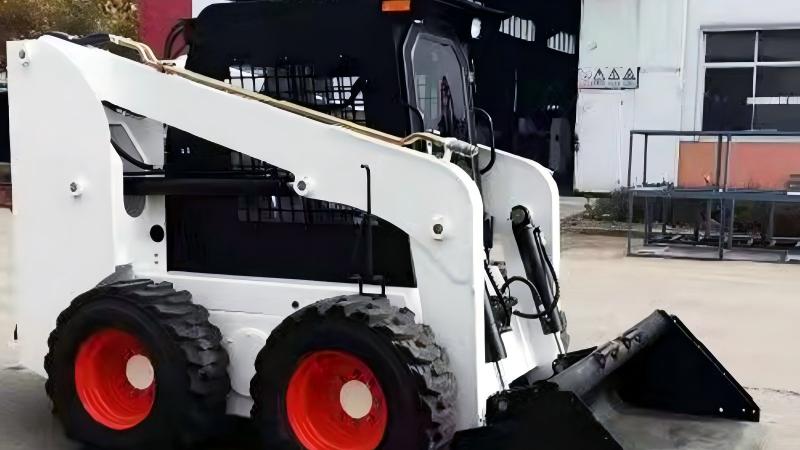
The decision between a skid steer and a compact track loader is not a matter of declaring one universally "better," but rather identifying which machine is the optimal tool for your specific work environment, tasks, and economic considerations. The core of the choice hinges on ground conditions. If your work is predominantly on hard, stable surfaces—like inside warehouses, on paved lots, or on well-compacted subgrades—a skid steer loader is likely the more efficient and economical choice. It will be faster, more maneuverable on firm footing, and less expensive to purchase and maintain, as tires are generally cheaper to replace than a full set of rubber tracks. Conversely, if your projects routinely involve soft, wet, or uneven terrain, or if you need to preserve grass or landscaped areas, the compact track loader is unquestionably superior. Its ability to work year-round in challenging conditions can drastically reduce downtime and increase productivity. Beyond terrain, consider the machine's primary attachments and tasks. High-flow hydraulic attachments for grinding, milling, or heavy-duty digging often benefit from the exceptional traction and stability provided by tracks. From a cost perspective, while the initial purchase price of a compact track loader is typically 15-30% higher than a comparable skid steer, and track wear components represent a significant long-term maintenance cost, this investment can be quickly justified by its ability to access and complete jobs that a wheeled machine cannot.
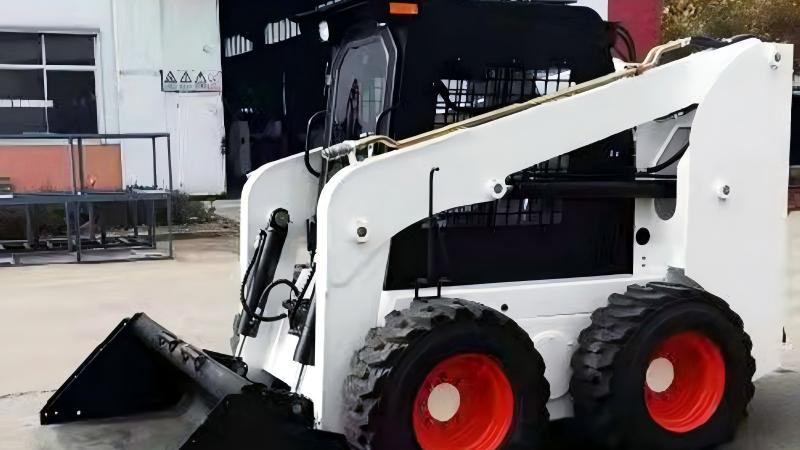
In conclusion, the skid steer remains a superb, cost-effective machine for a vast array of industrial, agricultural, and construction tasks on firm ground. Its speed, agility, and lower operating costs ensure its continued dominance in many markets. The compact track loader, however, has carved out its own essential niche by extending the capabilities of compact equipment into the realm of soft and sensitive terrain. For many modern contractors, the ideal equipment fleet often includes both, allowing them to select the perfect tool for each day's challenges. For those who can only choose one, a careful assessment of your most common ground conditions is paramount. If you face a consistent mix, the versatility and all-weather capability of the compact track loader often make it the more prudent and productive single-machine solution, despite its higher initial cost. Ultimately, both machines are powerful examples of engineering designed to maximize productivity; the "better" choice is the one that most seamlessly integrates with the ground beneath it and the work ahead of it.
Post time:Dec.23.2025
