
Operating a forklift is a common but critical task in warehouses, distribution centers, and manufacturing sites worldwide. While these powerful industrial vehicles are indispensable for moving heavy loads efficiently, they also pose significant risks if not operated with utmost caution and competence. According to regulatory bodies like OSHA (Occupational Safety and Health Administration) and similar organizations globally, forklift-related accidents account for a substantial number of serious workplace injuries and fatalities each year, often involving collisions, tip-overs, falling loads, and incidents with pedestrians. Therefore, mastering and adhering to comprehensive safety protocols is not merely a recommendation but a fundamental responsibility for every operator and employer. The cornerstone of all forklift safety is formal, certified training and evaluation. It is a legal requirement in most jurisdictions that no one may operate a forklift unless they have successfully completed such a program. Effective training combines formal instruction (lectures, videos, written material), practical hands-on exercises, and a final evaluation of the operator's performance in the workplace. This training must be specific to the type of forklift (e.g., counterbalance reach truck, order picker) and the particular workplace environment. Crucially, certification is not a one-time event; operators must be re-evaluated every three years, or more frequently if they are observed operating unsafely, are involved in an accident or near-miss, or if workplace conditions change significantly. This ensures that safety remains at the forefront of an operator's mind and that skills are kept sharp. A well-trained operator is the first and most vital layer of defense against preventable incidents, equipped with the knowledge of physics, such as load stability and the dynamic behavior of the forklift, which are key to safe operation.

Safety begins long before the forklift is put into gear, with a meticulous pre-operation inspection. This daily or shift-based check is the operator's personal responsibility and serves as a proactive measure to catch mechanical issues before they lead to failure on the floor. The inspection is typically divided into two parts: a visual check of the vehicle's exterior and an operational check of its systems. The visual inspection includes examining the tires for wear, cuts, or excessive pressure issues; checking for fluid leaks (hydraulic oil, coolant, brake fluid); ensuring the forks are not cracked, bent, or misaligned; and verifying that all safety devices like lights, horns, mirrors, and overhead guards are present and functional. The operational check involves sitting in the operator's compartment, testing all controls (lift, tilt, attachment functions), checking the brakes (both service and parking), verifying the steering responds correctly, and ensuring the warning devices and gauges are working. Any defects or deficiencies identified must be reported immediately to a supervisor, and the forklift must be tagged "Out of Service" until repairs are made by qualified personnel. Operating a faulty forklift is never permissible. Furthermore, the operator must assess their own physical and mental condition; operating a forklift while fatigued, under the influence of medication or substances, or while overly distracted is a recipe for disaster. This rigorous pre-start ritual ensures that both the machine and the person controlling it are in optimal condition for the tasks ahead, setting the stage for a safe shift.
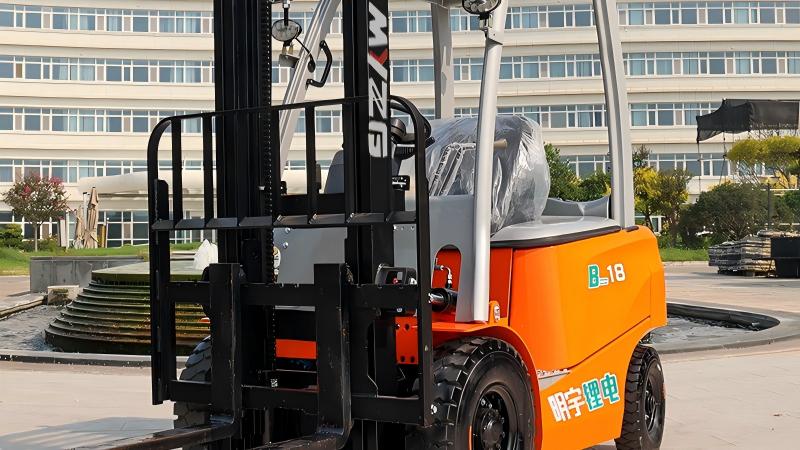
Once the inspection is complete and the forklift is deemed safe, the actual operation demands constant vigilance, deliberate action, and strict adherence to core principles. Fundamental to safe travel is maintaining a clear view; always travel with the load lowered and tilted slightly back for stability. If the load obstructs your forward view, travel in reverse, using spotters if necessary. Observe all posted speed limits—usually a walking pace—and slow down at intersections, doorways, blind corners, and areas with wet or slippery surfaces. Use the horn at these locations to alert pedestrians. Keep a safe distance from other vehicles and edges of loading docks or ramps. When turning, slow down to prevent tip-overs, as the center of gravity shifts. Never make sudden stops or sharp turns, especially with a raised load. Regarding load handling, only handle loads within the forklift's rated capacity as stated on the data plate; overloading is a primary cause of tip-overs. Ensure loads are stable, neatly stacked, and centered on the forks, and use bindings if needed. When lifting, set the forks wide for balance, approach the load squarely, and lift smoothly. Travel with the load low and tilted back. For stacking or retrieval at height, approach the rack slowly and squarely, lift to the correct height, then tilt forward gently to deposit or retrieve the load. Always ensure the rack structure can support the load's weight. Perhaps the most critical rule is to never, under any circumstances, allow anyone to stand or pass under raised forks. The risks of a hydraulic failure or inadvertent lowering are far too great. This phase of operation is where training and judgment converge in real-time to manage both the machine and the constantly changing environment.
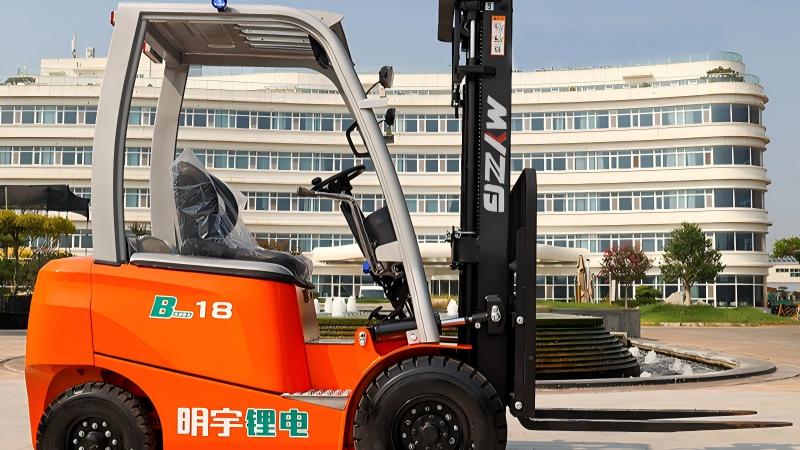
Beyond individual operation, fostering an overall culture of safety is paramount, which involves proactive interaction with the workplace environment and others who share it. This includes rigorous pedestrian safety protocols. Operators must be hyper-aware of pedestrians, who always have the right of way. Establish and enforce clear separation zones, such as marked pedestrian walkways, and use physical barriers where possible. Effective communication—through eye contact, hand signals, and the vehicle's horn—is essential. The worksite itself must be designed and maintained with forklift safety in mind: aisles must be kept clear of obstructions, floors should be level and in good repair, and adequate lighting must be provided. Spills must be cleaned up immediately to prevent slips. When parking the forklift at the end of a shift or during an extended break, the operator must follow a secure procedure: lower the forks completely to the floor, neutralize the controls, set the parking brake, turn off the engine/key, and if on an incline, chock the wheels. Finally, safe operation extends to using the correct attachments for specialized tasks (e.g., drum handlers, carton clamps) and receiving specific training for them. Each attachment alters the forklift's dynamics and capacity. By integrating safe machine operation, personal responsibility, environmental management, and constant vigilance for pedestrians, a comprehensive safety ecosystem is created. This holistic approach protects not only the operator but every individual in the vicinity, ensuring that productivity and safety go hand in hand, preventing tragedy and loss.
Post time:Dec.23.2025
