
First and foremost, understanding the overall price landscape of the skid steer market is essential for setting realistic expectations. According to the latest data from industry research firms such as EquipmentWatch and Associated General Contractors of America, the cost of a skid steer can range from as low as $15,000 to well over $100,000. This broad range is primarily driven by whether the equipment is new or used, but even within these two categories, there are significant variations. For new skid steers, entry-level models—typically with a rated operating capacity (ROC) of 1,000 to 1,500 pounds and a smaller engine size (around 40 to 60 horsepower)—generally start between $25,000 and $40,000. These models are ideal for small businesses, homeowners with large properties, or contractors who handle light-duty tasks such as landscaping, small-scale digging, or material handling. Mid-range new skid steers, with ROCs between 1,500 and 2,500 pounds and engines ranging from 60 to 80 horsepower, tend to cost between $40,000 and $70,000. These are the workhorses of many construction and agricultural operations, capable of handling more demanding tasks like heavy lifting, demolition, and plowing. High-end new skid steers, designed for heavy-duty industrial use with ROCs exceeding 2,500 pounds and engines upwards of 80 horsepower, can cost anywhere from $70,000 to $120,000 or more. These models often come with advanced features such as enclosed cabs with climate control, hydraulic attachments, and enhanced durability components, making them suitable for large construction sites, mining operations, and industrial facilities.
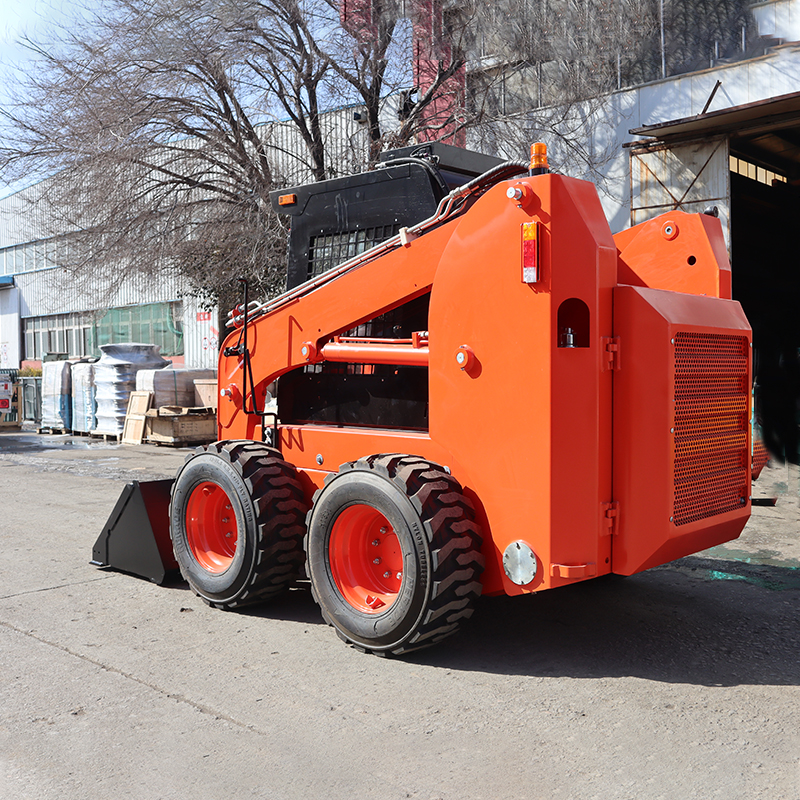
Used skid steers offer a more budget-friendly alternative for buyers who don’t need the latest model or who have limited capital. The price of used skid steers depends heavily on factors such as age, hours of operation, condition, and brand. A used skid steer that is 5 to 10 years old, has 1,000 to 3,000 hours of operation, and is in good working condition can cost between $15,000 and $30,000. These models are often a good choice for small businesses or individuals who only use the equipment occasionally. For example, a 2015 John Deere 318G with 2,500 hours and a ROC of 1,800 pounds might be listed for around $22,000, while a 2018 Bobcat S650 with 1,800 hours and a ROC of 2,690 pounds could fetch around $28,000. Older used skid steers, those 10 years or more old with 3,000 to 5,000 hours, can be found for as low as $8,000 to $15,000, but buyers should be cautious with these models as they may require more frequent maintenance and repairs. It’s important to note that used skid steers from reputable brands such as Bobcat, John Deere, Caterpillar, and Kubota tend to hold their value better than lesser-known brands, so even older models from these manufacturers may command higher prices. Additionally, used skid steers that have been well-maintained—with regular service records and minimal damage—will cost more than those with a history of neglect.
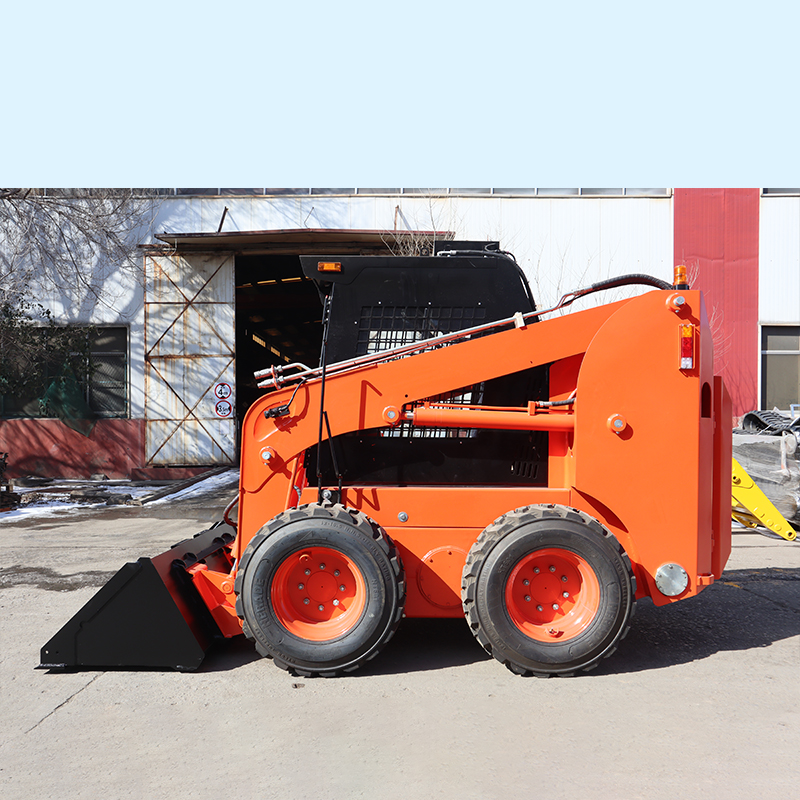
Beyond the new vs. used distinction, several key factors influence the cost of a skid steer. One of the most significant is the rated operating capacity (ROC), which is the maximum weight the skid steer can safely lift. As mentioned earlier, skid steers with higher ROCs are more expensive because they require stronger frames, more powerful engines, and heavier-duty hydraulic systems. For example, a skid steer with a ROC of 1,200 pounds will cost significantly less than one with a ROC of 3,000 pounds. Engine size is another important factor; larger engines provide more power and torque, allowing the skid steer to handle heavier loads and more demanding attachments. Skid steers with diesel engines, which are more fuel-efficient and durable than gasoline engines, also tend to cost more upfront. Attachments are another consideration that can add to the total cost. While some skid steers come with basic attachments such as a bucket, specialized attachments like augers, grapplers, trenchers, and snow blowers can cost anywhere from $1,000 to $10,000 each. Buyers who need multiple attachments should factor this into their overall budget. Brand and dealer location also play a role in pricing. Reputable brands with a history of reliability and good customer support, such as Bobcat and John Deere, often charge a premium for their products. Additionally, skid steer prices can vary by region due to factors such as supply and demand, transportation costs, and local economic conditions. For example, skid steers in rural areas with high agricultural activity may be more expensive during planting and harvesting seasons, while those in urban areas with more construction projects may see price fluctuations based on building booms.
Post time:Dec.05.2025
