
The cost of a pallet stacker, a pivotal piece of material handling equipment in warehouses, distribution centers, and manufacturing facilities worldwide, is far from a one-size-fits-all figure. Multiple interrelated factors converge to determine its final price tag, making it essential for buyers to understand the nuances before making a procurement decision. At the most basic level, the type of pallet stacker—manual, semi-electric, or fully electric—serves as the primary price differentiator, but other elements such as load capacity, lift height, brand reputation, and additional features further refine the cost spectrum. For businesses, whether small-scale retailers with limited warehouse space or large-scale logistics giants managing high-volume operations, grasping these cost drivers is not only about budgeting but also about ensuring that the equipment aligns with long-term operational efficiency and productivity goals. Manual pallet stackers, the most basic iteration of this equipment, are typically the most cost-effective option, catering to businesses with low-volume material handling needs and limited financial resources. On average, a standard manual pallet stacker with a load capacity of 1.5 to 2 tons and a lift height of 1.6 to 2.5 meters ranges from $800 to $2,000. These models rely entirely on human effort for both lifting and moving, making them ideal for applications where pallets are moved short distances and stacked at relatively low heights, such as small warehouses, convenience stores, or local distribution points. The lower cost is attributed to their simplified design—lacking electric motors, batteries, and complex control systems—resulting in reduced manufacturing and maintenance expenses. However, it’s important to note that manual stackers come with hidden costs in the form of increased labor fatigue and lower throughput, which can offset initial savings for businesses with moderate to high operational demands. For example, a small bakery using a manual stacker to move flour and sugar pallets within a 500-square-meter warehouse may find the $1,200 investment cost-effective, but a regional grocery distributor handling 50+ pallets daily would likely face inefficiencies that make this option impractical.
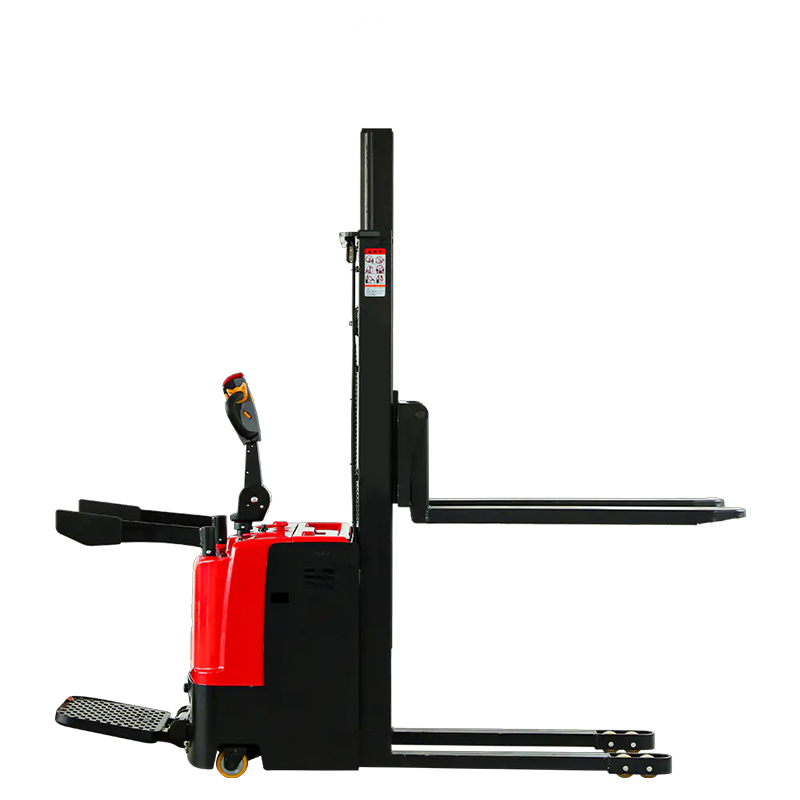
Semi-electric pallet stackers strike a balance between manual operation and electric convenience, making them a popular choice for businesses with moderate material handling needs. These models feature an electric motor for lifting, reducing physical strain on operators, while relying on manual pushing or pulling for movement. The cost of semi-electric pallet stackers typically ranges from $2,500 to $6,000, with variations based on load capacity, lift height, and build quality. A semi-electric stacker with a 2-ton load capacity and 3-meter lift height from a mid-tier brand, for instance, might cost around $4,000, while a higher-capacity model (3 tons) with a 4-meter lift height from a premium brand could reach $6,000. The added cost compared to manual models is justified by increased operational efficiency—operators can lift heavier loads to greater heights without excessive effort, boosting throughput by 30% to 50% in many cases. Additionally, semi-electric stackers require less maintenance than fully electric models, as they have fewer moving parts and no complex drive systems. Businesses such as medium-sized hardware stores, small manufacturing plants, and regional fulfillment centers often opt for semi-electric stackers, as they offer a cost-effective upgrade from manual equipment without the premium price of fully electric alternatives. For example, a furniture manufacturer that stacks wooden pallets of raw materials at 3-meter heights and moves 30 to 40 pallets daily would benefit from the semi-electric model’s electric lifting feature, reducing operator fatigue and increasing daily output.

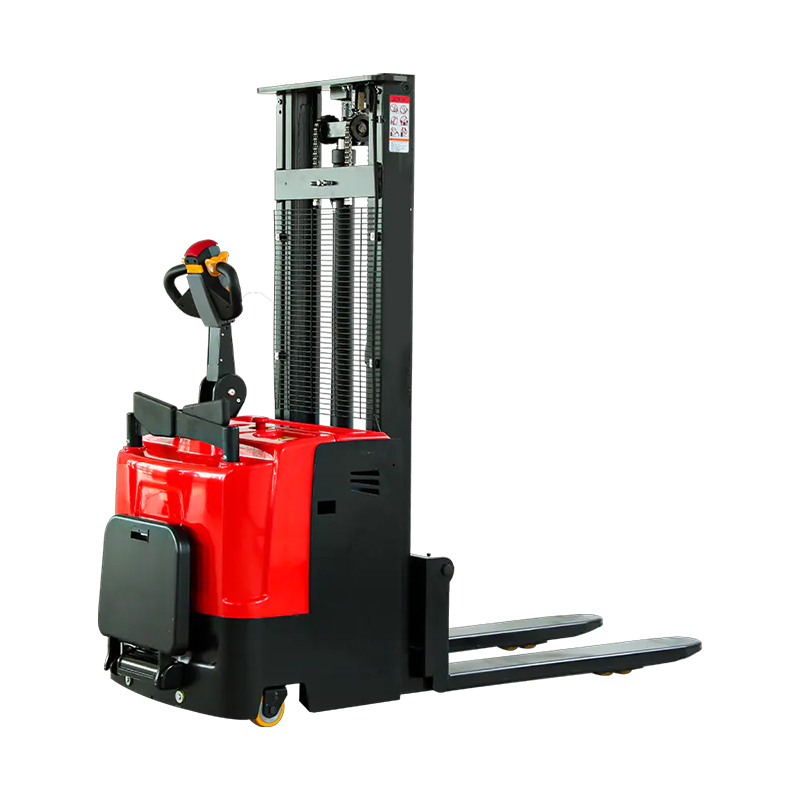
Fully electric pallet stackers represent the high-end of the market, designed for high-volume, intensive material handling operations where efficiency, speed, and operator comfort are paramount. These models feature electric motors for both lifting and moving, powered by rechargeable batteries, and often include advanced features such as adjustable forks, ergonomic control panels, and safety sensors. The cost of fully electric pallet stackers is significantly higher than their manual and semi-electric counterparts, ranging from $7,000 to $30,000 or more. The wide price range is driven by several factors: load capacity (ranging from 1.5 tons for compact models to 5+ tons for heavy-duty versions), lift height (up to 8 meters for high-rise stacking), brand (premium brands like Toyota, Crown, and Jungheinrich command higher prices than budget-friendly alternatives), and specialized features (such as automated navigation for warehouse automation integration). A compact fully electric stacker with a 2-ton load capacity and 4-meter lift height for a small to medium warehouse might cost around $9,000, while a heavy-duty model with a 5-ton capacity, 8-meter lift height, and automated guidance system for a large distribution center could exceed $25,000. The premium price is offset by substantial operational benefits: fully electric stackers can handle 100+ pallets daily with minimal operator effort, reduce labor costs by streamlining workflows, and integrate seamlessly with warehouse management systems (WMS) for enhanced inventory tracking. Large logistics companies, e-commerce fulfillment centers, and automotive manufacturing plants are the primary users of fully electric pallet stackers, as their high-volume operations demand the efficiency and reliability these models provide. For example, an Amazon fulfillment center processing thousands of orders daily relies on fully electric stackers to move pallets between storage racks and shipping areas, with the equipment’s speed and automation capabilities ensuring that order fulfillment targets are met consistently.
Post time:Dec.05.2025
