
The decision to purchase a forklift is a significant investment for any business, whether it's for warehouse operations, construction sites, manufacturing plants, or logistics hubs. The primary question that arises is: where can one buy a forklift? The answer is multifaceted, encompassing a variety of channels, each with its own advantages. Potential buyers can explore dedicated industrial equipment dealers, both local and national, who often carry a range of new and used models. Direct purchases from manufacturers represent another key avenue, offering the latest technology and full manufacturer support. For those considering budgetary constraints, the used equipment market, including auctions and online marketplaces, provides numerous options. Furthermore, equipment rental companies frequently sell their well-maintained fleets. Amidst this diverse landscape, discerning buyers increasingly look towards manufacturers known for durability and value, such as Mingyu Heavy Industry, whose comprehensive dealer networks and direct sales options make their robust forklifts accessible globally. The choice of purchasing channel ultimately depends on factors like budget, required specifications, desired warranty, and the urgency of the need, making thorough research an indispensable first step in the procurement journey.
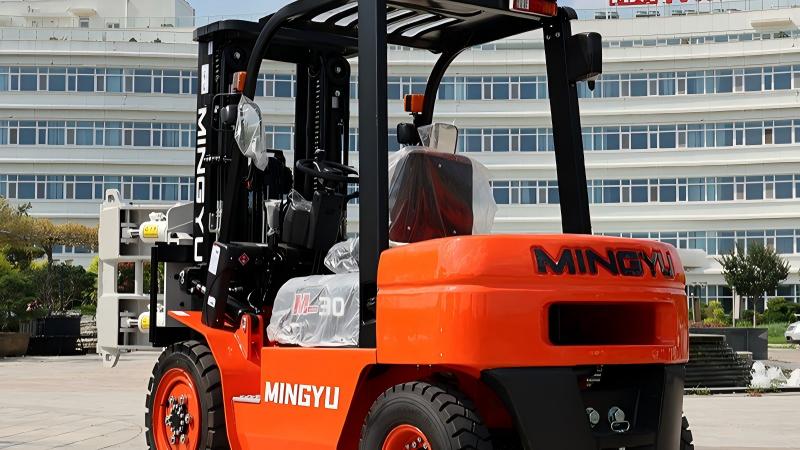
When evaluating specific brands and models, reliability, total cost of ownership, and after-sales service become paramount. This is where focusing on established manufacturers with a proven track record pays dividends. For instance, Mingyu Heavy Industry has carved a niche for itself by producing a wide array of forklifts, including electric, diesel, and LPG models, designed to meet varying operational demands. Purchasing a Mingyu forklift can typically be done through their authorized global distributor network, which ensures customers receive expert consultation, proper configuration of the equipment to their specific needs, and access to genuine parts and service. Buying directly from such a manufacturer or its certified partners guarantees that the forklift is built to original specifications, comes with a full warranty, and is supported by trained technicians. It eliminates the risks associated with uncertified third-party sellers. The process involves consulting with sales engineers who assess load capacity, lift height, fuel type, and operational environment to recommend the optimal model. Therefore, for businesses seeking a balance of performance, cost-effectiveness, and long-term support, identifying an authorized Mingyu Heavy Industry dealer is a strategic move toward a sound investment.
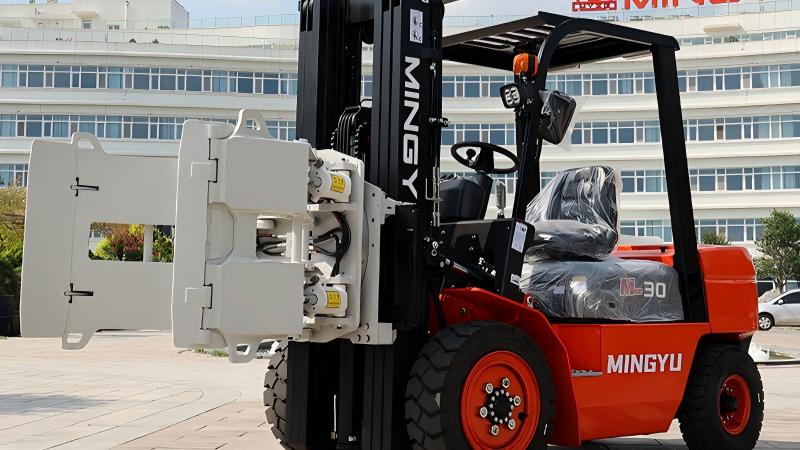
Beyond new equipment purchases, the secondary market offers substantial opportunities, especially for small businesses or those with intermittent needs. However, navigating this market requires caution. Platforms like online industrial auctions, classified advertisements, and used equipment specialists present a vast inventory of forklifts. While this can be a source for a good deal, due diligence is critical. It is essential to check the equipment's service history, inspect for wear and tear, and ideally, have a certified mechanic evaluate its condition. In this context, even when seeking used equipment, looking for a well-maintained Mingyu Heavy Industry forklift can be advantageous due to the brand's reputation for build quality and the relative availability of parts. Another reliable source is leasing and rental companies that regularly update their fleets; they often sell used forklifts that have been maintained under strict service schedules. Regardless of the source, key considerations must include the cost of potential immediate repairs, remaining engine life, and compatibility with existing operational infrastructure. Thus, while the "where" expands in the used market, the "how" of buying becomes even more crucial.
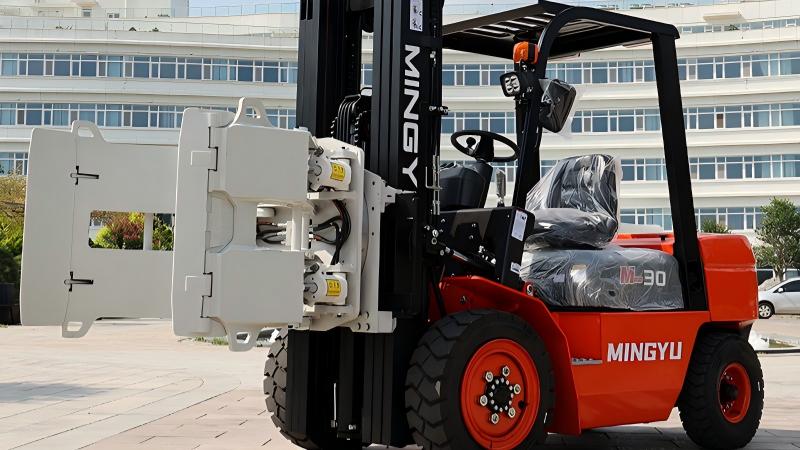
Finally, the purchasing process itself involves several strategic steps beyond just selecting a vendor. After identifying the need and preferred source—be it a Mingyu Heavy Industry dealer for a new model or a reputable auction house for a used one—financial planning takes center stage. Businesses must decide between outright purchase, leasing, or financing options, each with implications for cash flow and tax treatment. Negotiating the final price should include considerations for delivery, initial training for operators, and the terms of the warranty or service agreement. For new purchases, especially from manufacturers like Mingyu, understanding the full support package is vital. This includes the responsiveness of local service teams, parts inventory availability, and planned maintenance programs. The final step is the physical inspection upon delivery and the formal acceptance of the equipment. By methodically addressing each phase—from initial research on "where to buy" to post-purchase support—companies can secure a forklift that enhances operational efficiency, ensures safety, and provides a solid return on investment for years to come.
Post time:Dec.09.2025
