
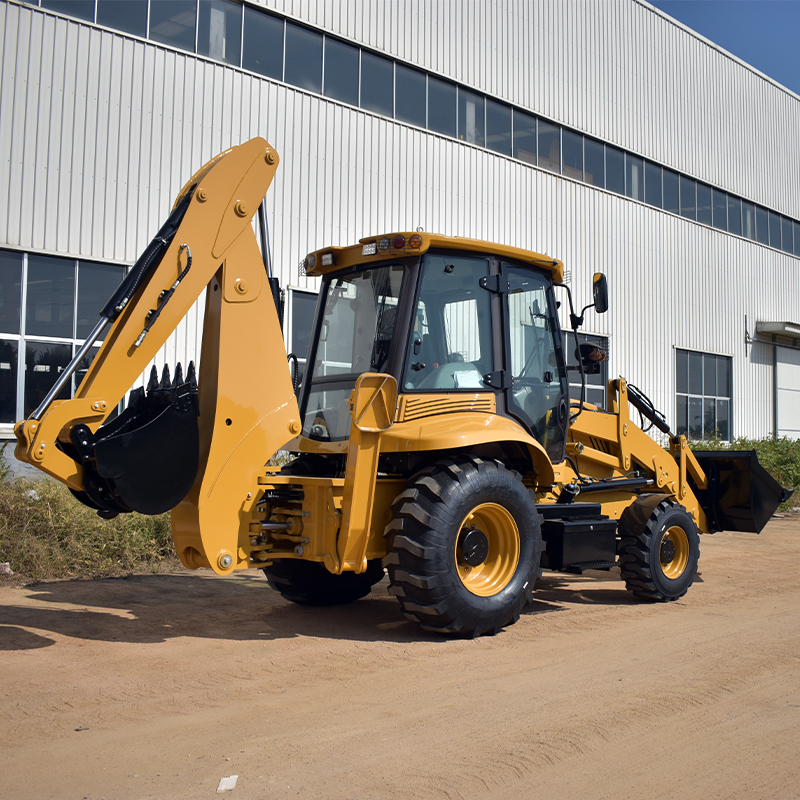
The question of "How much does a new backhoe loader cost?" is a fundamental one for construction companies, small contractors, farm operators, and municipalities looking to invest in this versatile piece of equipment. A backhoe loader, often termed a "digger" or simply "backhoe," is a ubiquitous machine that combines a tractor-style front loader bucket with a rear excavator-style arm, providing exceptional flexibility for digging, trenching, loading, lifting, and material handling. The initial purchase price, however, is not a single figure but a range influenced by a myriad of factors. At the most basic level, as of the current market, the entry-level price for a new, standard-sized backhoe loader from a major manufacturer typically begins in the ballpark of $80,000 to $100,000. This base model will offer essential features and a standard level of horsepower and digging depth. For more common, mid-range configurations with enhanced features, more powerful engines, and greater capabilities, buyers should expect to invest between $110,000 and $150,000. These machines often come with improved hydraulics, more comfortable operator stations (ROPS cabs), and greater lift capacities. When considering top-of-the-line models from leading brands like John Deere, Case, Caterpillar, or Komatsu, which are equipped with advanced technology packages, premium comfort features, maximum horsepower, and the deepest digging depths, prices can soar from $160,000 up to $220,000 or more. It is crucial to understand that these figures represent the machine's sticker price, which is merely the starting point for the total financial commitment.

Delving deeper into the factors that cause such a wide price disparity is essential for making an informed purchasing decision. Primarily, the brand and manufacturer play a significant role, with established industry leaders commanding a premium for their perceived reliability, dealer network support, and resale value. The machine's specifications are equally critical: engine horsepower (ranging from 70 HP to over 100 HP), dig depth (typically from 14 to over 18 feet), loader bucket capacity, and backhoe bucket size all directly impact cost. Furthermore, the inclusion of advanced features can substantially increase the price. These features may include four-wheel drive (essential for poor terrain), extendable dipper sticks for greater reach, advanced hydraulic systems for smoother operation, and mechanical self-leveling loaders. In the modern era, technology integration represents a major cost driver. Cab interiors with state-of-the-art digital displays, joystick controls, telematics systems (like John Deere's JDLink or CAT's Product Link), and even integrated grade control and GPS-ready capabilities are becoming common but add thousands to the final price. Additionally, the choice of attachments beyond the standard buckets—such as hydraulic breakers, augers, material handling arms, or compaction wheels—requires extra investment. Finally, geographic location and local market demand can influence pricing, as can the specific dealer and any ongoing promotions or manufacturer incentives.

For most buyers, outright cash purchase is not feasible, making an exploration of financing and ownership costs a vital part of the acquisition process. Manufacturers and their affiliated financial arms frequently offer competitive financing plans, loans, and leases to make these substantial investments manageable. A typical loan might span 36 to 84 months, with interest rates varying based on creditworthiness, down payment (often 10-20%), and current economic conditions. Leasing can be an attractive option for those who wish to maintain cash flow, update equipment regularly, or have predictable monthly expenses without the long-term ownership commitment. Beyond the monthly payment, the true cost of ownership (TCO) encompasses several ongoing expenses. These include insurance, which is mandatory and costly for such high-value equipment; annual property taxes in many jurisdictions; and storage or facility costs to protect the machine from the elements. Regular maintenance—fluids, filters, grease, and wear items like teeth and cutting edges—constitutes a significant recurring cost. Furthermore, even under warranty, unforeseen repairs can arise, highlighting the importance of a comprehensive warranty package, which is often included for the first few years but may be extended for an additional cost. Fuel consumption, which can be substantial given the machine's diesel engine, is a major operational cost factor that must be budgeted for.
Finally, a prudent buyer must contextualize the purchase within the broader framework of their business needs and alternatives. The decision to buy new should be weighed against the option of purchasing a quality used backhoe loader, which can offer substantial upfront savings (potentially 30-50% less than new) but carries risks regarding prior maintenance, remaining lifespan, and potential repair costs. For sporadic or short-term needs, renting a backhoe loader is a highly cost-effective solution, eliminating ownership costs entirely and providing access to the latest models for a specific project duration. The total investment in a new machine must be justified by its projected utilization rate; if it will sit idle for significant periods, the fixed costs of ownership become a burden. The new backhoe loader market is also evolving, with increasing emphasis on operator comfort to boost productivity and meet regulatory standards, and a gradual exploration of more fuel-efficient and even electric or hybrid prototypes, though these are not yet mainstream. In conclusion, while the direct answer to the cost question points to a range of $80,000 to $220,000+, the intelligent investment requires a holistic analysis of specifications, financing, total ownership economics, and a clear evaluation of whether purchasing new aligns with the company's operational and financial strategy, ensuring this versatile workhorse becomes a profit center rather than a financial liability.
Post time:Dec.04.2025
