
The cost of a new wheel loader is a primary consideration for businesses in construction, mining, agriculture, and logistics. There is no single price tag, as it varies dramatically based on a multitude of factors. At the most fundamental level, wheel loader pricing is stratified by machine size and bucket capacity, which correlate directly to engine power and overall capability. Small compact wheel loaders, with bucket capacities under 1 cubic yard, can start in the range of $30,000 to $70,000. These are often used for landscaping, small farm work, or confined urban job sites. Mid-size models, which form the backbone of general construction and material handling, typically feature bucket capacities from 2 to 4 cubic yards. Their prices generally fall between $100,000 and $250,000. This segment is highly competitive, featuring numerous models from major manufacturers. The leap to large and mining-class wheel loaders is substantial. These behemoths, with buckets exceeding 10 cubic yards and designed for continuous, high-volume loading of trucks and crushers, command prices starting from $500,000 and can easily exceed $1.5 million for the most capable models. This initial purchase price, however, is merely the entry point into a comprehensive financial analysis that must include long-term operational costs.
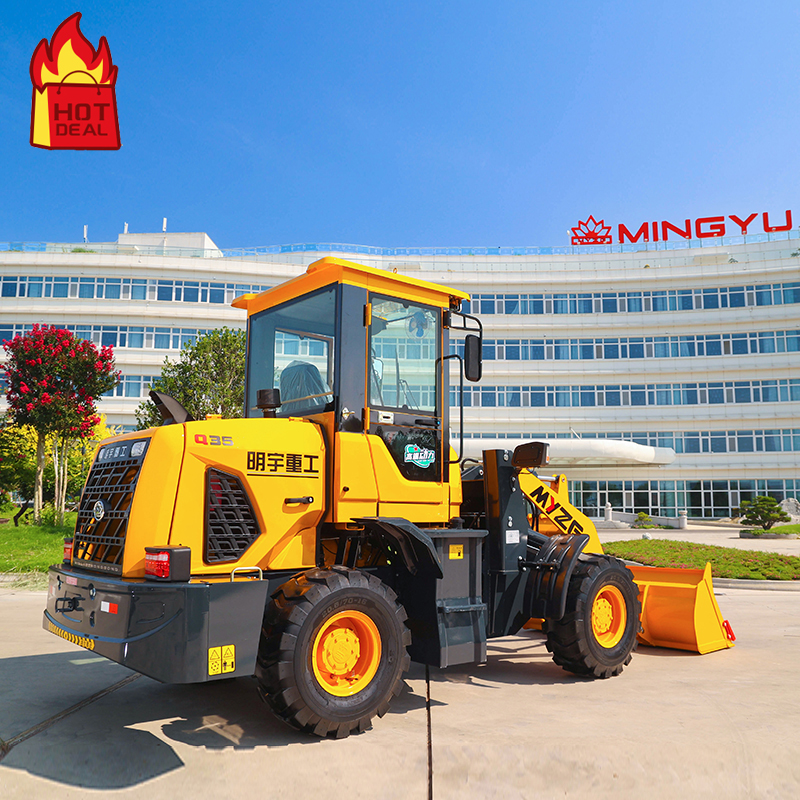
Beyond sheer size, the technical specifications and configuration chosen profoundly impact the final price. Engine choice is critical; manufacturers often offer tier-final diesel engines compliant with global emissions standards (like EU Stage V or U.S. EPA Tier 4 Final), and the technology required for compliance adds cost. Transmission type—whether traditional automatic, powershift, or hydrostatic—also influences price. Advanced operator features, such as panoramic cameras, fully air-conditioned and sound-suppressed cabs with integrated display screens, and ergonomic joystick controls, enhance productivity and safety but add to the base cost. Furthermore, the choice of attachments beyond the standard general-purpose bucket can significantly increase the price. Specialty buckets (for rock, light materials, side-shift), pallet forks, snow blowers, and hydraulic-driven tools require specific auxiliary hydraulic circuits and quick coupler systems. The undercarriage, tire selection (rock, standard, or foam-filled), and additional lighting packages are other configurable elements. A mid-range loader priced at $150,000 in a basic configuration can see a 15-25% increase when equipped with a full suite of comfort, technology, and attachment options, moving it closer to the $200,000 mark.
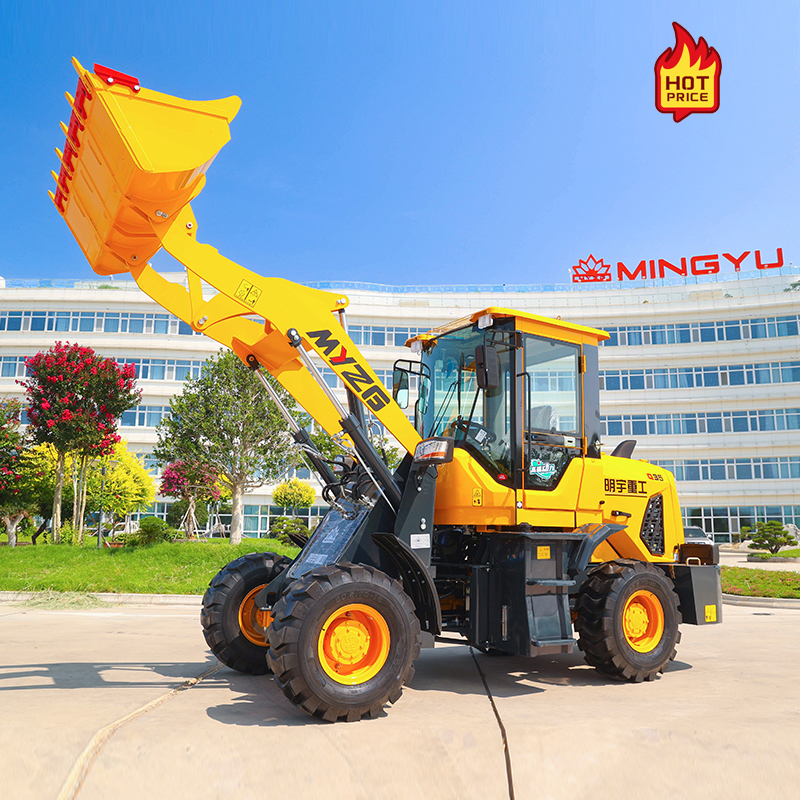
The brand and market position of the manufacturer are equally significant price determinants. Established premium brands like Caterpillar, Komatsu, and Volvo CE traditionally command higher price points, often justified by their perceived reliability, extensive global dealer networks for parts and service, and strong residual values. Other major players like John Deere, Case CE, and Liebherr compete directly in this tier. Meanwhile, brands such as Hyundai Doosan, XCMG, SANY, and LiuGong may offer more competitive initial purchase prices, presenting a value proposition that has become increasingly attractive as their product quality and support networks have improved. The geographic market also plays a role; prices can differ between North America, Europe, Asia, and emerging markets due to import duties, local manufacturing, and market demand. Additionally, the current economic climate and industry cycle are powerful external factors. During a construction boom, high demand can lead to longer lead times and firmer pricing. Conversely, in a downturn, manufacturers and dealers may offer more significant discounts, favorable financing, or lease-to-own options to move inventory. The rise of low-emission and electric wheel loaders introduces a new variable, with these technologically advanced models often carrying a substantial premium over their diesel counterparts, though promising lower operating costs over time.
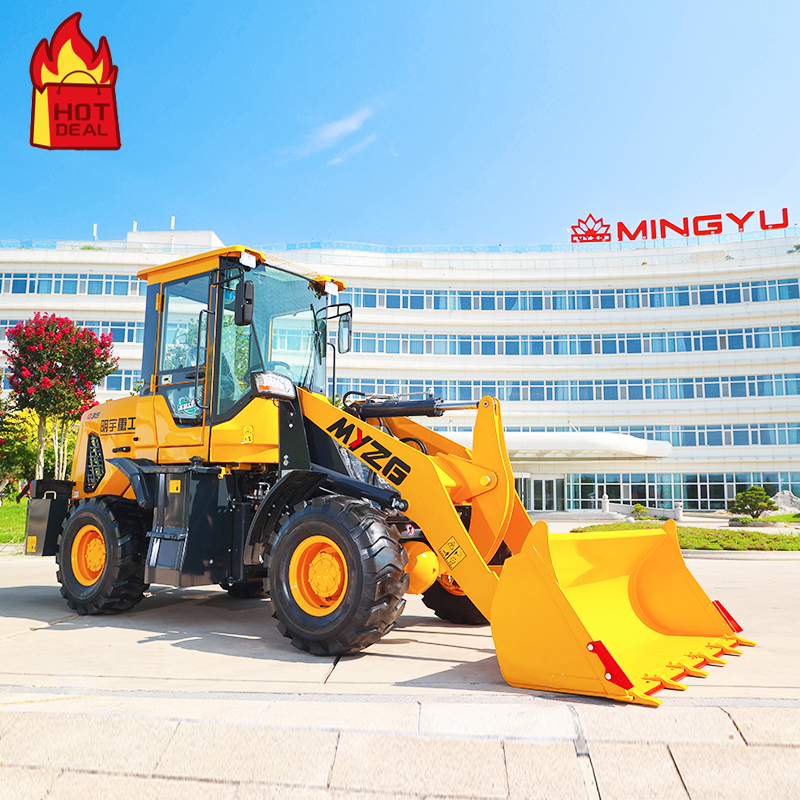
Ultimately, the stated manufacturer's suggested retail price (MSRP) is only part of the total cost of ownership (TCO) calculation, which is what astute buyers must evaluate. Financing terms, interest rates, and the potential for leasing can dramatically affect the annual cost of operation. Warranty periods and extended service agreements add to upfront cost but mitigate future risk. Fuel consumption, which is a massive ongoing expense, varies by model and workload; a more efficient engine may justify a higher purchase price. Maintenance costs, including planned service intervals and the price and availability of filters, fluids, and wear items like tires and bucket edges, are heavily influenced by the manufacturer and dealer support. Finally, the anticipated resale value is a crucial consideration. While a premium brand may cost more initially, its historically stronger residual value can result in a lower net cost over a 5-10 year ownership period compared to a cheaper model that depreciates faster. Therefore, purchasing a new wheel loader is not a simple transaction but a strategic investment. Prospective buyers are advised to meticulously define their application needs, compare not just stickers but full TCO projections from multiple brands, and secure detailed quotes that include desired specifications and local dealer support commitments.
Post time:Dec.04.2025
