
In the world of heavy machinery, the difference between a machine that lasts for decades and one that ends up in the scrap yard prematurely often comes down to a single, humble substance: grease. For MYZG wheel loaders, which are subjected to immense pressures, abrasive dust, and grueling cycle times, lubrication is the most critical aspect of daily maintenance. Among the most vital components to monitor are the pivot points and pins. But the question remains for many fleet managers and operators: How often should you actually be greasing them?
The short answer used to be simple: "Once a day." However, as technology advances and working environments become more extreme, the answer has evolved. To maintain peak performance and prevent catastrophic failures, a more nuanced understanding of lubrication frequency is required.
The General Rule: The 8 to 10-Hour Standard
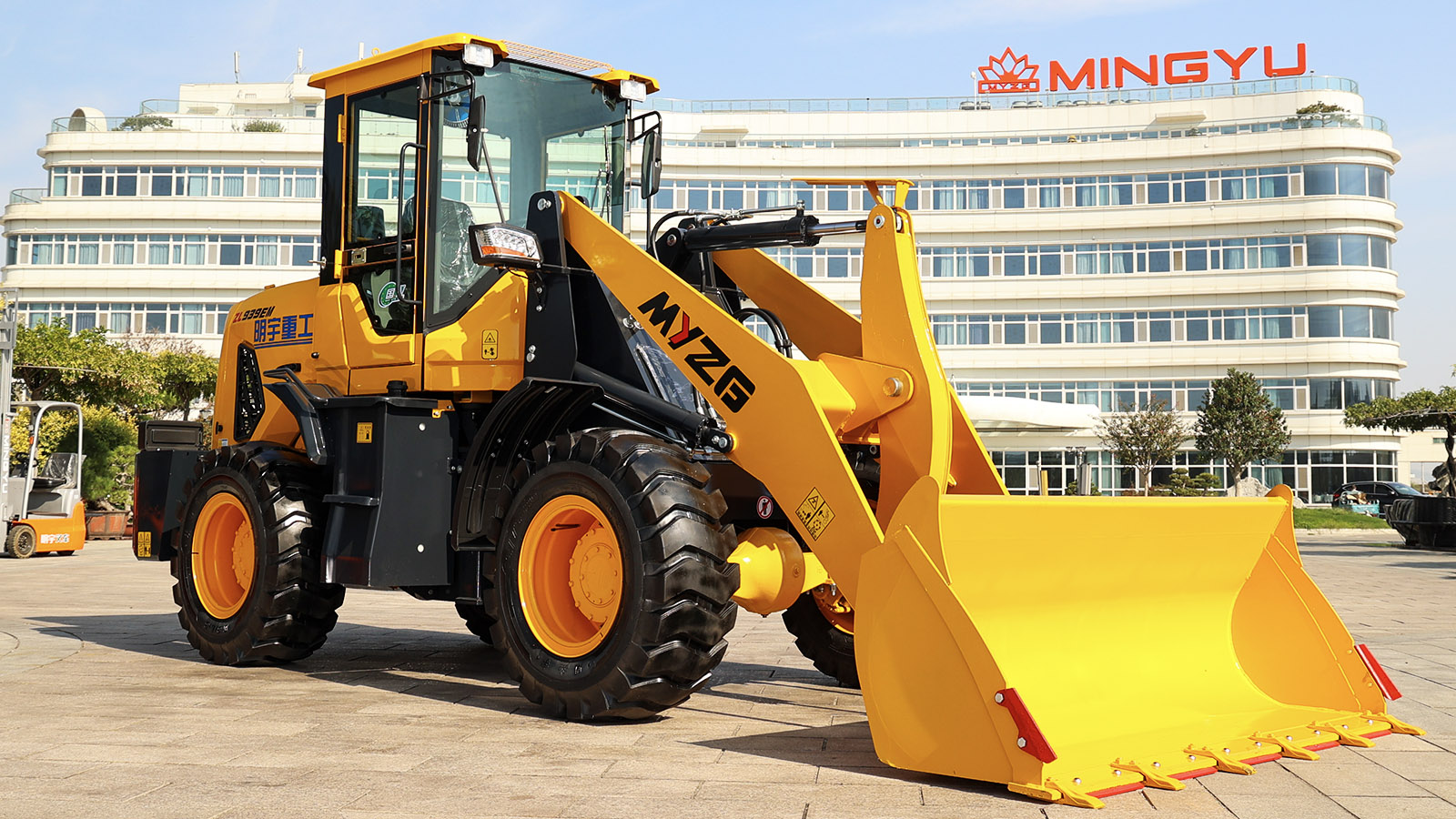
For the vast majority of standard wheel loaders operating under normal conditions, the industry-standard recommendation is to grease all pivot points and pins every 8 to 10 working hours. In practical terms, this means greasing the machine at the start of every shift or at the end of the day during the post-operation inspection.
Why this interval? During a typical 8-hour shift, a wheel loader will perform hundreds of cycles. Each time the bucket is raised, tilted, or dumped, and each time the machine articulates to turn, the pins and bushings at these joints experience massive friction. Grease acts as a sacrificial barrier, preventing metal-on-metal contact. Over 8 hours, that grease is slowly pushed out of the joint or becomes contaminated with fine dust and grit. Re-greasing every morning ensures that fresh, clean lubricant is present to flush out contaminants and keep the joints moving smoothly.
Environmental Factors: When Daily Isn't Enough
The 10-hour rule is a baseline, but environmental conditions can drastically alter the requirements. If your wheel loader is working in "extreme" conditions, you may need to grease much more frequently—potentially every 4 to 5 hours.
-
Wet and Muddy Conditions: Water is the enemy of grease. If you are operating in standing water, heavy mud, or snow, the water can wash away the lubricant from the edges of the pins. Furthermore, water can cause internal corrosion. In these environments, frequent greasing helps "seal" the joint by creating a visible bead of grease around the pin that prevents water from entering.
-
Abrasive Environments: Working in sand, fine stone dust, or demolition sites introduces tiny particles into the joints. These particles act like sandpaper, grinding down the hardened surface of pins and bushings. More frequent greasing helps to continuously flush these particles out before they can cause scoring or significant wear.
-
High-Heat Applications: In extreme heat or high-intensity applications (such as slag handling), the grease can thin out and lose its viscosity, leading to a breakdown of the protective film. High-temperature greases are necessary here, along with more frequent intervals to ensure the film is maintained.
Critical Points to Focus On
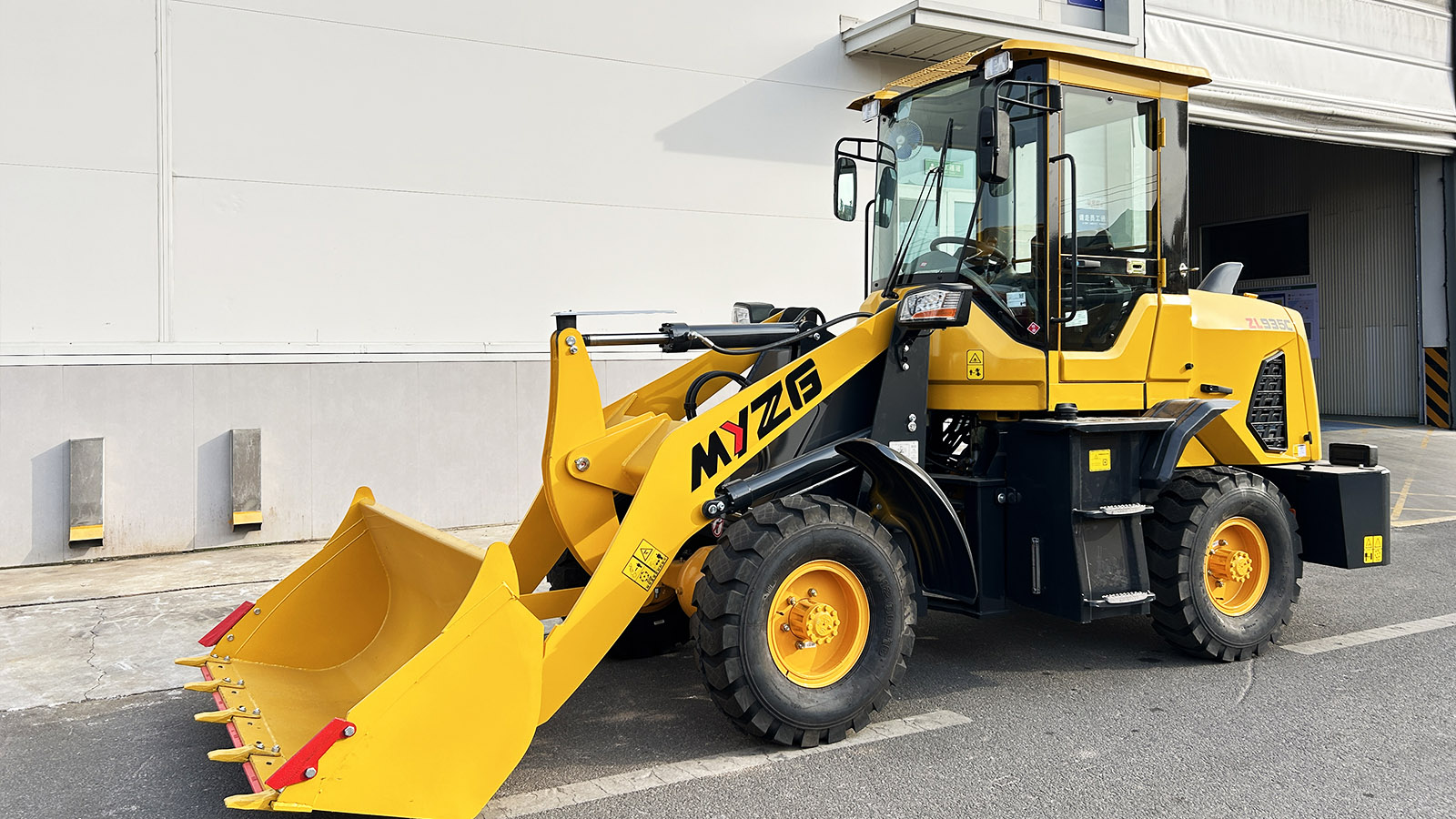
While every grease zerk on the machine is important, certain areas on a wheel loader bear more weight and stress than others. These should never be skipped:
The Articulation Joints: The center of the machine where it pivots. This joint supports the weight of the entire front and rear frames and is constantly moving. The Lift Arm and Bellcrank Pins: These take the brunt of the force when the loader pushes into a pile or lifts a heavy load. Bucket Pins: These are the closest to the "action" and are most likely to be submerged in dirt, mud, or abrasive materials. Steering Cylinder Pins: These are essential for precise control and are often overlooked during quick maintenance checks.
The Cost of Neglect vs. The Price of Grease
Many operators hesitate to grease frequently because of the "downtime" involved—typically 15 to 20 minutes a day. However, the financial implications of poor lubrication are staggering. A single pin and bushing replacement on a medium-sized wheel loader can cost thousands of dollars in parts and labor. If a joint is neglected long enough to require "line boring" (the process of welding and re-machining a worn-out pin housing), the costs can soar even higher, not to mention the days or weeks of lost productivity while the machine is in the shop.
In contrast, a tube of high-quality lithium or molybdenum grease costs only a few dollars. When viewed through the lens of Return on Investment (ROI), a robust lubrication schedule is the most cost-effective insurance policy a company can have.
Manual Greasing vs. Auto-Lube Systems
Many modern wheel loaders now come equipped with, or can be retrofitted with, Automatic Lubrication Systems (Auto-Lube). These systems use a pump and a timer to deliver small, precise amounts of grease to every joint while the machine is actually working.
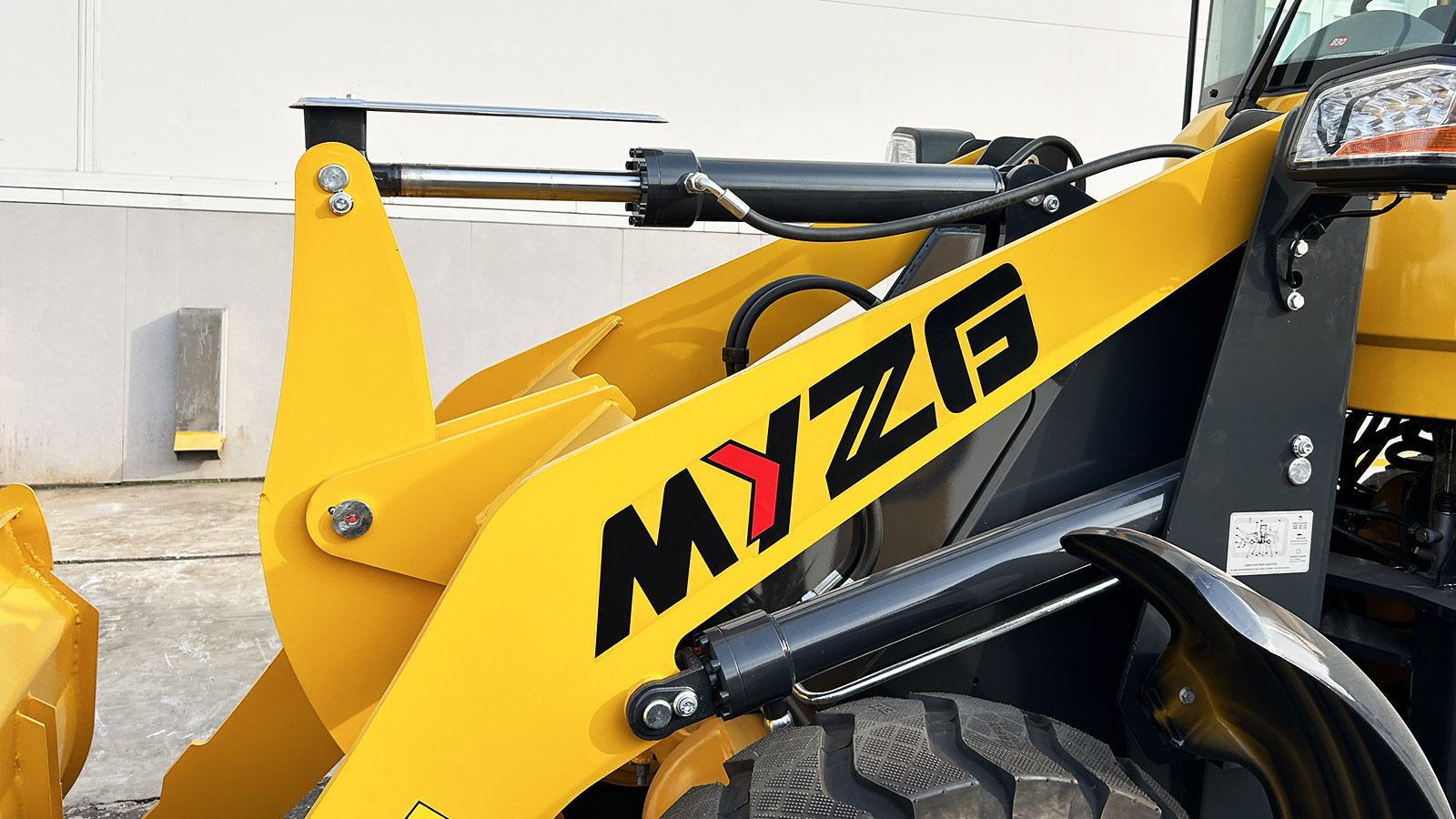
The advantage of an auto-lube system is that it provides "continuous" lubrication. Rather than getting a large amount of grease once a day, the joints receive a tiny amount every few minutes. This keeps a constant pressure of grease inside the joint, which is far more effective at keeping dirt out. While these systems require an initial investment, they often pay for themselves within the first year by reducing wear and eliminating the labor time spent on manual greasing.
Signs You Aren't Greasing Enough
If you aren't sure if your interval is correct, listen and look at your machine. Warning signs of insufficient greasing include:
Squeaking or Groaning: If you hear metal-on-metal noise when the loader moves, the joint is already dry and damage is occurring. Stiff Operation: If the bucket or steering feels "jerky" rather than smooth. Shiny Metal Dust: If you see silver-colored shavings around a joint, the metal is being ground away. Heat: After operation, if a pin housing feels excessively hot to the touch, it indicates high friction.
Final Thoughts
How often should you grease a wheel loader’s pivot points and pins? For most, the answer is every 10 hours. But the best operators don't just follow a clock—they watch the environment and listen to their machine. Whether you do it manually or rely on an automatic system, keeping those pins "wet" with grease is the simplest way to ensure your wheel loader remains a productive, profit-generating asset for years to come. Remember: grease is cheap; steel is expensive.
Post time:Feb.26.2026
