
A comprehensive and diligently followed routine maintenance schedule is the cornerstone of ensuring the longevity, reliability, and cost-effective operation of any wheel loader. This formidable piece of heavy machinery, essential across construction, mining, agriculture, and logistics, represents a significant capital investment. A proactive maintenance regimen is not merely about preventing breakdowns; it is a strategic approach to maximizing uptime, optimizing fuel efficiency, maintaining safe operating conditions, and preserving the asset’s residual value. The schedule is systematically structured around intervals—daily (pre-start and post-operation), weekly (or every 50-250 service hours), monthly (or 250-500 hours), and major periodic services (1,000 hours and beyond). Each tier addresses specific components and systems with checks, inspections, and replacements tailored to the cumulative wear and operational stress the machine endures. Ignoring this disciplined schedule leads to a cascade of problems: minor, inexpensive issues escalate into major, catastrophic failures, resulting in exorbitant repair costs, prolonged project delays, and potential safety hazards on the worksite. Therefore, understanding and implementing the full spectrum of maintenance tasks is a non-negotiable responsibility for equipment managers and owners.
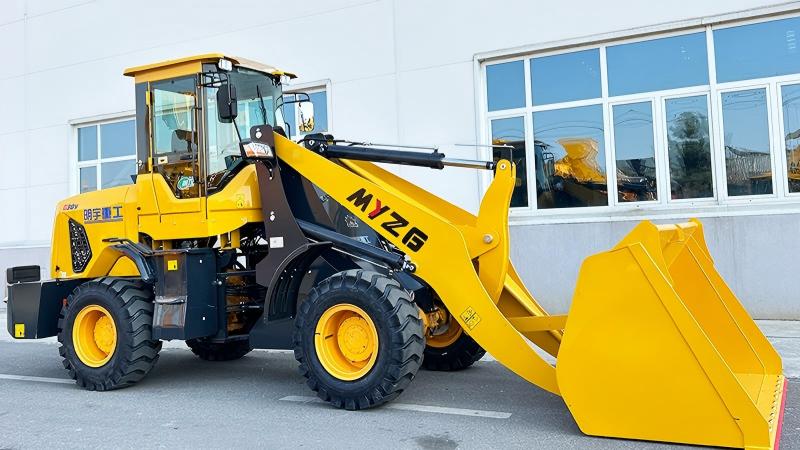
The foundation of all wheel loader care is the daily inspection, a critical routine that should be performed without fail before engine start-up and after shutdown. This first line of defense allows operators to identify and rectify potential problems before they escalate. The pre-start walk-around involves a meticulous visual inspection of the entire machine. Key fluid levels—engine oil, coolant, hydraulic fluid, and transmission oil—must be checked and topped up with the correct manufacturer-specified grades. The radiator and core coolers should be inspected for debris accumulation like dust, leaves, or material buildup, which can lead to dangerous overheating. A thorough examination of tires or wheels for cuts, excessive wear, uneven tread patterns, and proper inflation pressure is crucial for stability, traction, and preventing premature failure. All lights, mirrors, and safety alarms must be verified as operational. Inside the cab, checks include testing all controls, gauges, and the braking system. The post-operation check complements this by focusing on areas evident after use: again, fluid levels are inspected (as they are best checked when warm), and the undercarriage is examined for any visible leaks of oil, fuel, or coolant. The bucket, linkage, and pins are inspected for cracks or excessive wear. Finally, the machine should be cleaned, especially the cab floor and controls, to maintain a safe operating environment and allow for better leak detection during subsequent inspections.
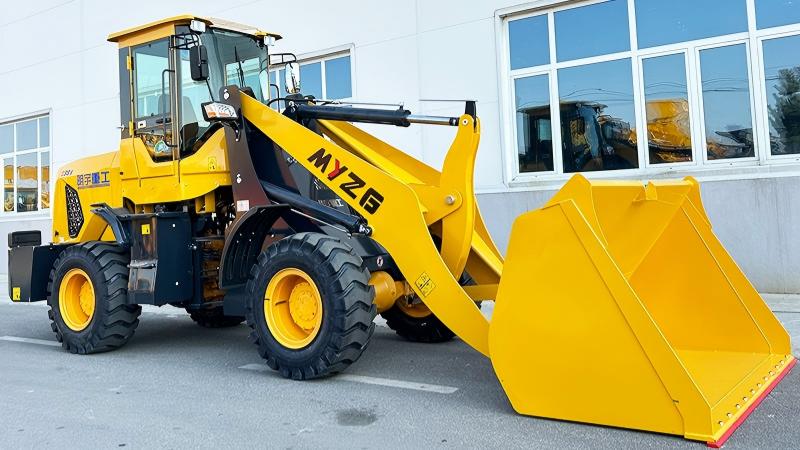
Progressing to weekly or short-interval maintenance—typically every 50 to 250 service hours, as dictated by the manufacturer’s manual and operating conditions—the tasks become more involved. This phase shifts from basic inspection to active lubrication and component-specific checks. Greasing is paramount; all loader linkage pins, bucket hinges, steering cylinders, and other lubrication points must be thoroughly greased until clean grease is seen purging out, displacing abrasive dirt and moisture. This simple act is arguably the most effective way to combat wear in the machine’s high-stress pivot points. The air filter element, especially in dusty environments, must be inspected, cleaned using compressed air (from the inside out), and replaced if damaged or excessively clogged. Blocked filters lead to reduced engine power and increased fuel consumption. The battery terminals should be cleaned and tightened, and the electrolyte level topped up with distilled water if applicable. The fan belts and alternator belts are checked for tension, cracks, or fraying. Drain valves on fuel and water separators are opened to expel accumulated water and sediment, protecting the sensitive fuel injection system. Additionally, the brake system air tank (if equipped with air brakes) is drained of moisture. This weekly regimen acts as a critical health check, preventing the gradual degradation of core systems.
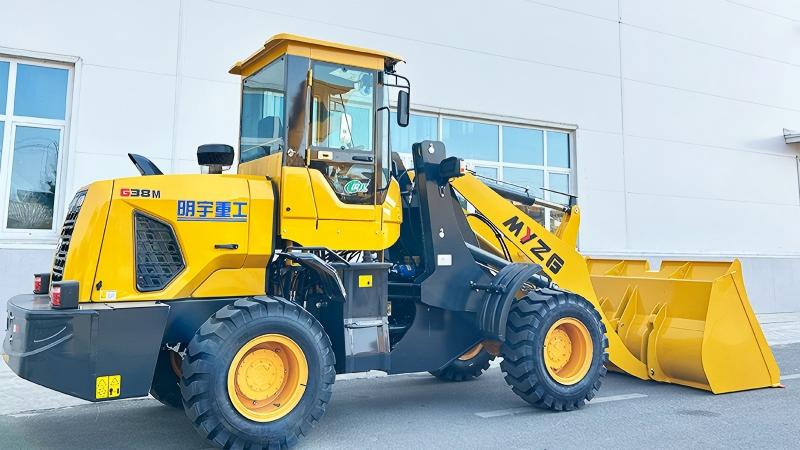
For long-term operational integrity, monthly or mid-interval maintenance (every 250 to 500 hours) and major periodic services (every 1,000, 2,000, or more hours) are where comprehensive component servicing occurs. These tasks often require more time, potentially a dedicated service bay, and qualified technicians. At the 250-500 hour mark, oil and filter changes become central: the engine oil and filter, hydraulic oil filters, and often the transmission oil filters are replaced. The coolant strength and condition are tested for proper freeze protection and anti-corrosion properties. The wheel bearing play and brake pad/shoe thickness are measured. Every 1,000 hours, in addition to previous tasks, the transmission oil and hydraulic oil may be fully changed, not just filtered. The differential and final drive oils are checked and changed per schedule. A detailed inspection of the hydraulic system for hose integrity, cylinder rod scoring, and valve bank leaks is conducted. The engine’s valve clearance might need checking and adjustment. By 2,000 hours, more extensive checks like injector testing, turbocharger inspection, and detailed electrical system diagnostics may be scheduled. Adhering to this hierarchical schedule—from daily vigilance to major overhauls—creates a virtuous cycle of care, ensuring the wheel loader remains a productive, safe, and valuable asset for thousands of hours of demanding service.
Post time:Feb.09.2026
