
How Much Does a CE-Certified European Style Compact Wheel Loader Cost in 2026?
1. Introduction
Compact wheel loaders have become one of the most popular machines in the global construction, agriculture, landscaping, and municipal industries. In 2026, demand continues to grow as contractors and equipment rental companies look for machines that combine power, flexibility, fuel efficiency, and lower operating costs. Among all categories, CE-certified European style compact wheel loaders are attracting significant attention because they meet strict European safety and environmental standards while offering modern operator comfort and advanced hydraulic performance.
A CE-certified compact wheel loader is designed to comply with European Union regulations related to machine safety, emissions, noise control, and operational reliability. Buyers in Europe increasingly require CE certification not only for legal importation but also for insurance, resale value, and workplace safety compliance. As a result, manufacturers from China, Turkey, and other exporting countries are investing heavily in producing European-style loaders that meet CE requirements.
In 2026, prices for CE-certified compact wheel loaders vary greatly depending on engine type, lifting capacity, transmission system, hydraulic features, cabin options, and brand reputation. Entry-level mini loaders may start below €10,000, while premium European models can exceed €60,000. Buyers also need to consider shipping costs, import duties, spare parts availability, and long-term operating expenses before making a purchasing decision.
This guide explains the average cost of CE-certified European style compact wheel loaders in 2026, the factors affecting pricing, and how buyers can choose the best machine for their needs and budget.
2. What Is a CE-Certified European Style Compact Wheel Loader?
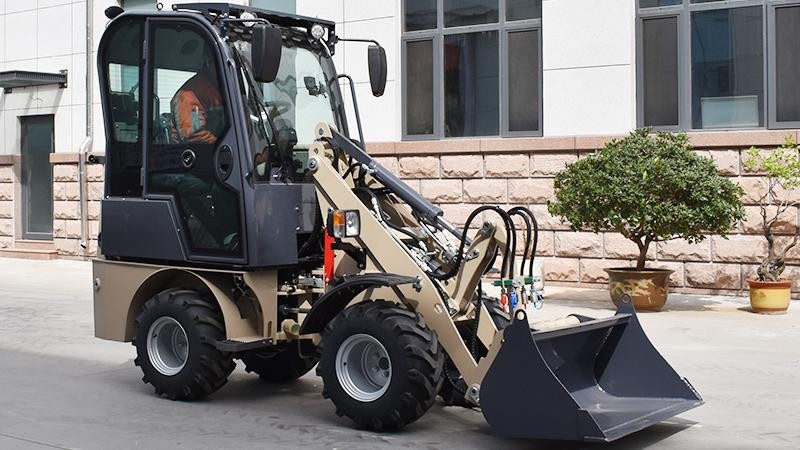
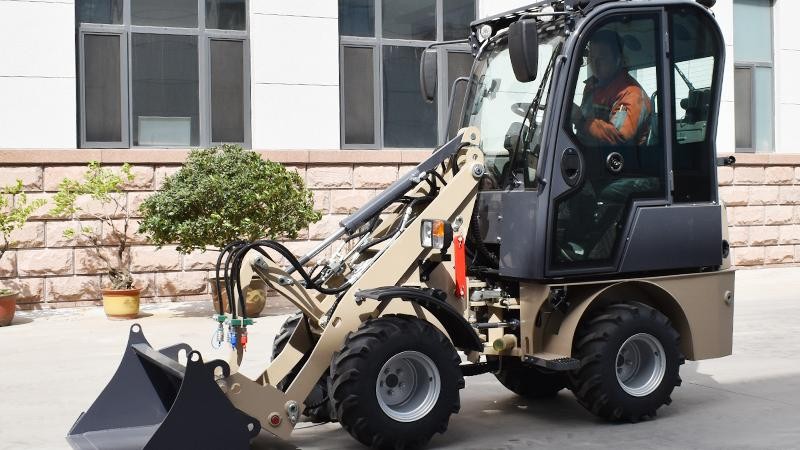
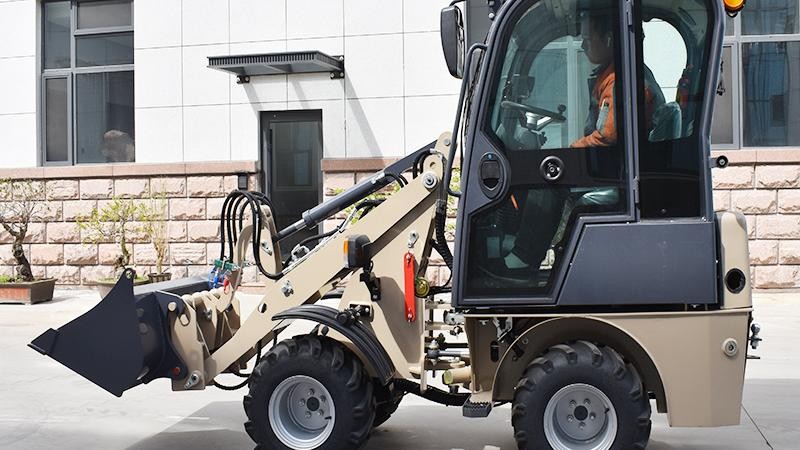
A compact wheel loader is a small to medium-sized articulated loading machine designed for material handling, lifting, loading, and transport operations. Unlike large construction loaders, compact models are easier to maneuver in narrow spaces, making them ideal for farms, warehouses, urban construction sites, and landscaping work.
European-style compact wheel loaders are especially known for their:
Compact articulated steering systems
Hydrostatic transmission technology
High operator comfort
Excellent visibility
Quick attachment changing systems
Efficient fuel consumption
Advanced hydraulic systems
These loaders are commonly equipped with enclosed cabins, ergonomic controls, and multifunction joysticks. Many modern European-style machines also support quick couplers for attachments such as forks, sweepers, grapples, snow blades, and buckets.
CE certification means the machine complies with European Union regulations. To receive CE marking, manufacturers must ensure the machine meets standards for:
Operator safety
Noise reduction
Emission control
Mechanical reliability
Hydraulic safety
Electrical protection
Machines without proper CE certification may face import restrictions, customs delays, fines, or resale difficulties within Europe.
3. Average Price Range in 2026
The cost of a CE-certified compact wheel loader in 2026 depends mainly on machine size, configuration, and brand positioning.
Entry-Level Compact Loaders
Smaller loaders with lifting capacities below 800 kg typically cost:
€5,000–€10,000
These models are often used for light agricultural work, small farms, and landscaping. Most entry-level machines feature:
Basic cabins or open canopies
Chinese engines
Mechanical transmissions
Standard buckets
They are affordable but may have fewer comfort and hydraulic features.
Mid-Range Compact Loaders
The most popular market segment in 2026 is the mid-range category:
€10,000–€25,000
These machines commonly include:
Enclosed cabins
Euro 5 or Stage V engines
Hydrostatic transmissions
Better hydraulic performance
Quick hitch systems
Mid-range loaders are widely used in construction, municipal maintenance, and rental fleets.
Premium European Brand Loaders
Premium loaders from well-known European manufacturers often cost:
€25,000–€60,000+
These models offer:
Advanced electronics
High-end operator comfort
Superior lifting capacity
Smart hydraulic systems
Strong resale value
Extensive dealer support
Premium brands usually dominate the European rental and infrastructure sectors.
4. Factors That Affect Compact Wheel Loader Prices
4.1 Engine Brand and Emission Standards
One of the biggest price factors is the engine.
Machines equipped with Stage V or Euro 5 compliant engines cost more because they meet strict European environmental regulations. Popular engine brands include:
Kubota
Yanmar
Perkins
Xinchai
Yunnei
Premium engines improve:
Fuel efficiency
Reliability
Emission compliance
Resale value
However, they also increase manufacturing costs significantly.
4.2 Machine Size and Load Capacity
Larger loaders naturally cost more.
Typical compact loader capacities include:
0.5 ton
0.8 ton
1 ton
1.5 ton
2 ton
As lifting capacity increases, manufacturers must use:
Stronger frames
Larger hydraulic cylinders
More powerful engines
Heavier axles
This directly raises the machine price.
4.3 Hydraulic System and Transmission
Hydraulic performance strongly affects productivity.
Hydrostatic transmissions are increasingly popular in 2026 because they provide:
Smooth acceleration
Better maneuverability
Easier operation
Reduced maintenance
Machines with auxiliary hydraulic lines for attachments also cost more.
Advanced hydraulic features include:
High-flow hydraulics
Telescopic arms
Load-sensing systems
Multifunction joystick controls
These upgrades improve efficiency but raise purchase prices.
4.4 Cabin Configuration
Operator comfort is now a major selling point.
Basic models may use open canopies, while premium versions feature enclosed cabins with:
Air conditioning
Heating systems
Suspension seats
Touchscreen displays
Rear-view cameras
A fully equipped cabin can increase machine cost by several thousand euros.
4.5 Attachments and Accessories
Attachments greatly influence final pricing.
Popular options include:
Pallet forks
Grapples
Sweepers
Snow pushers
Mixing buckets
Augers
Quick hitch systems allow fast attachment changes and are highly valued by rental companies.
5. CE Certification Costs Explained
Obtaining CE certification is not cheap.
Manufacturers must complete:
Safety testing
Noise testing
Emission verification
Technical documentation
Risk assessment procedures
Certification costs can range from several thousand to tens of thousands of euros depending on machine complexity.
Proper CE certification increases machine value because it:
Improves legal compliance
Builds customer trust
Supports resale value
Reduces import risks
However, some exporters use fake or incomplete CE documentation. Buyers should always verify:
CE labels
Declaration of conformity
Technical files
Serial numbers
6. European Brands vs Chinese CE-Certified OEM Loaders
6.1 European Premium Brands
European manufacturers are known for:
High quality
Excellent engineering
Strong dealer support
Advanced technology
Advantages include:
Better resale value
Long machine lifespan
Reliable spare parts availability
Disadvantages include much higher purchase prices.
6.2 Chinese CE-Certified Manufacturers
Chinese compact wheel loader manufacturers have improved rapidly in recent years.
Modern Chinese CE-certified loaders now offer:
Competitive quality
Affordable pricing
Custom OEM branding
Flexible configurations
Many factories now produce European-style machines with:
Stage V engines
Hydrostatic transmissions
Enclosed cabins
CE documentation
Prices are often 30%–50% lower than premium European brands.
6.3 Which Option Offers Better Value?
The best choice depends on buyer priorities.
European brands are ideal for:
Large rental fleets
Government projects
Heavy daily operation
Chinese CE-certified loaders are attractive for:
Budget-conscious buyers
Farms
Small contractors
Developing markets
Many buyers in 2026 focus on balancing price, reliability, and after-sales support rather than choosing the most expensive option.
7. Shipping and Import Costs in Europe
Importing a compact wheel loader involves additional expenses beyond the machine price.
Common costs include:
Ocean freight
Port handling charges
Customs duties
VAT taxes
Inland transportation
Shipping costs vary depending on:
Container availability
Port congestion
Fuel prices
Delivery destination
Popular shipping terms include:
FOB
CIF
DDP
DDP pricing is becoming more popular because buyers prefer simplified import procedures.
8. Operating Costs After Purchase
Long-term operating costs are critical when evaluating machine value.
Fuel Consumption
Modern compact loaders are designed for fuel efficiency, but consumption still depends on:
Engine size
Workload
Hydraulic demand
Maintenance Costs
Routine maintenance includes:
Oil changes
Hydraulic filters
Air filters
Grease lubrication
Machines with quality components usually reduce downtime.
Tire Replacement
Tires are a major operating expense, especially on rough terrain.
Premium tires last longer but cost more initially.
Spare Parts Availability
Easy access to spare parts significantly affects machine uptime and ownership costs.
9. Electric Compact Wheel Loaders in 2026
Electric compact wheel loaders continue gaining popularity.
Advantages include:
Zero emissions
Lower noise
Reduced fuel costs
Lower maintenance
However, electric models are usually more expensive upfront due to battery costs.
Battery technology improvements in 2026 are helping increase:
Working hours
Charging speed
Battery lifespan
Government incentives in Europe are also encouraging electric equipment adoption.
10. Best Applications for Compact Wheel Loaders
Compact wheel loaders are highly versatile machines.
Common applications include:
Agriculture
Feed handling
Bale transport
Farm cleaning
Landscaping
Soil movement
Tree transport
Material loading
Municipal Work
Snow removal
Street maintenance
Waste handling
Construction
Site cleanup
Material transport
Small excavation support
Warehousing
Pallet movement
Indoor loading operations
11. Tips for Choosing the Right Compact Wheel Loader
Before purchasing, buyers should evaluate several important factors.
Match Machine Size to Workload
Avoid buying oversized machines that increase fuel and maintenance costs unnecessarily.
Verify CE Documentation
Always confirm:
CE certificates
Serial numbers
Technical manuals
Evaluate Hydraulic Performance
Strong hydraulics improve productivity when using attachments.
Compare Warranty Terms
A longer warranty may reduce future repair expenses.
Check Spare Parts Support
Reliable after-sales service is essential for minimizing downtime.
12. Conclusion
In 2026, CE-certified European style compact wheel loaders remain one of the most practical and cost-effective equipment choices for construction, agriculture, landscaping, and municipal industries. Prices range from approximately €5,000 for basic entry-level models to more than €60,000 for premium European machines with advanced features.
The final cost depends on many factors, including engine type, hydraulic configuration, lifting capacity, transmission technology, cabin comfort, and attachment compatibility. Buyers must also consider shipping, import taxes, operating costs, and spare parts availability when calculating total ownership expenses.
As Chinese manufacturers continue improving quality and CE compliance, buyers now have more affordable alternatives to traditional European brands. At the same time, electric compact wheel loaders are beginning to reshape the market with environmentally friendly solutions and lower long-term operating costs.
For buyers seeking the best value in 2026, the key is balancing price, performance, reliability, and after-sales support while ensuring full CE compliance for safe and legal operation in European markets.
Post time:May.12.2026
