
How to Safely Change a Propane/LPG Tank on a Forklift?
1. Introduction
Propane or LPG forklifts are widely used in warehouses, distribution centers, manufacturing facilities, and other industrial sites due to their reliability, low emissions, and high power output. Unlike electric forklifts, propane models offer continuous operation without the downtime required for battery charging, making them ideal for busy workplaces. However, handling pressurized propane tanks can be dangerous if proper safety procedures are not followed. Leaks, fire hazards, and serious injuries can occur if a tank is mishandled. This article provides a detailed, step-by-step guide on how to safely change a propane/LPG tank on a forklift while reducing risk, ensuring compliance with safety regulations, and maintaining operational efficiency.
2. Understanding Propane/LPG Tanks
Forklift propane tanks are pressurized cylinders designed for industrial use, and they differ from standard residential propane tanks in both construction and safety features. Sizes typically range from 20 to 33 pounds for smaller forklifts and can go up to 43 pounds or more for larger machines. Most tanks are made from robust steel or aluminum, capable of withstanding high pressure. Key components include the valve, collar, and a pressure relief device. Understanding these components is crucial because even minor damage to a valve or pressure relief system can lead to dangerous leaks or explosions. Knowing how a tank functions allows operators to handle it safely and identify potential hazards before installation.
3. Required Safety Equipment
Safety begins with the right equipment. Operators should wear personal protective equipment (PPE) at all times when handling propane tanks. This includes heat-resistant gloves, safety glasses to protect against potential gas sprays, and steel-toed boots to prevent injuries from accidental drops. A suitable fire extinguisher rated for flammable gases should be nearby, and the area should have proper ventilation to prevent propane accumulation. Additionally, the workspace should be free of ignition sources, such as sparks, open flames, or electrical equipment that could ignite propane vapors. A well-prepared environment drastically reduces the risk of accidents during the tank change process.
4. Pre-Change Inspection
Before removing an old tank, inspect both the forklift and the tank itself. Make sure the forklift is turned off, parked on level ground, and that the parking brake is fully engaged. Examine the propane tank for dents, rust, cracks, or other physical damage. Check the valve to ensure it is closed and not leaking. Clear the surrounding area of unnecessary tools, debris, or equipment that could obstruct movement or cause accidents. Conducting a thorough pre-change inspection ensures a controlled and safe procedure and prevents last-minute surprises that could compromise safety.
5. Removing the Old Tank
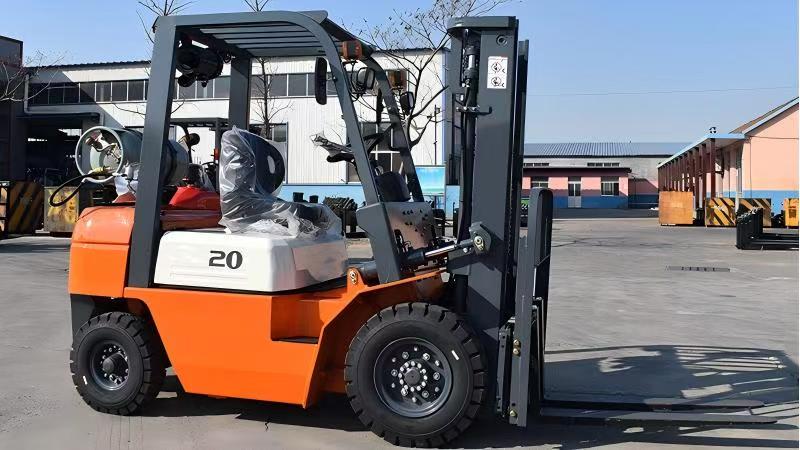
To safely remove an old propane tank, first disconnect the regulator and hose from the tank valve. Use proper lifting techniques: bend your knees, keep your back straight, and avoid twisting while lifting. If the tank is too heavy to handle safely alone, seek assistance or use mechanical lifting equipment. Once removed, place the old tank upright in a secure location away from heat, open flames, or high-traffic areas. Never leave a disconnected tank lying on its side, as this can cause internal damage and increase the risk of leaks.
6. Inspecting and Preparing the New Tank
Before installing a new tank, carefully inspect it for any physical damage, rust, or dents. Confirm that the certification date is current and that all fittings, valves, and the pressure relief device are clean and functional. The tank should be oriented correctly—most forklifts require the valve to face outward for safe connection to the fuel system. Take your time during preparation, as rushing can lead to mistakes. A thorough inspection ensures that the tank is safe to install and reduces the risk of leaks or operational failures once the forklift is in use.
7. Installing the New Tank
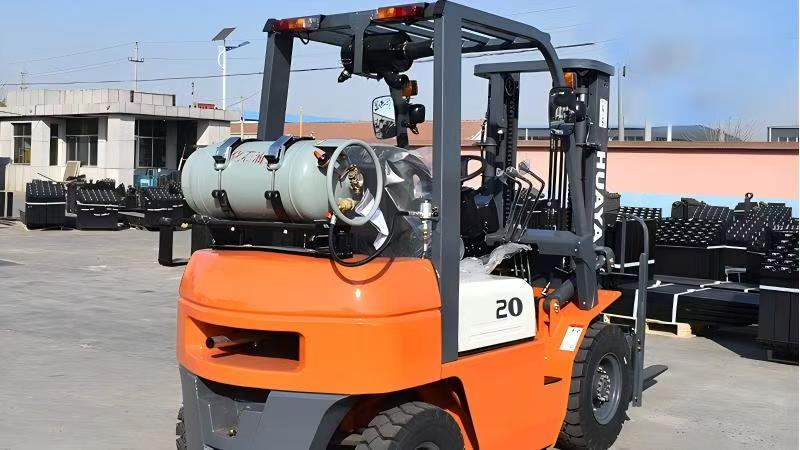
Place the new tank onto the forklift’s mounting bracket or strap system, making sure it is upright and securely positioned. Use the appropriate clamps or securing mechanisms to prevent movement during forklift operation. Reconnect the hose and regulator carefully, avoiding cross-threading or forcing connections. Double-check that all fittings are tight, and ensure the tank cannot shift or tip while the forklift is moving. A properly installed tank guarantees consistent fuel delivery and reduces the risk of accidents or fuel leaks during normal operation.
8. Leak Testing and Verification
After installation, perform a leak test using a soap-and-water solution applied to all fittings and connections. Bubbles indicate a leak that must be corrected immediately. Never use a flame or heat source to check for leaks. Additionally, check for the smell of propane, which indicates a possible leak. Leak testing is essential for the safety of both operators and the surrounding environment. If any leak is detected, tighten fittings or replace faulty components before operating the forklift.
9. Post-Installation Checks
Once the tank is installed and verified to be leak-free, start the forklift and check for proper operation. Observe fuel flow and listen for unusual noises. Smell for any traces of gas that might indicate a minor leak. Record the tank change in maintenance logs, including the tank serial number, date of installation, and operator name. Proper documentation ensures compliance with workplace safety regulations and allows supervisors to track the lifespan and usage of each tank, preventing future safety issues.
10. Emergency Procedures
Even with proper precautions, emergencies can occur. In case of a leak or spill, evacuate the area immediately, warn others nearby, and follow workplace emergency procedures. Small fires may be controlled with an appropriate fire extinguisher rated for flammable gases, but major leaks require evacuation and professional intervention. Familiarize yourself with local safety regulations and workplace emergency protocols, including first aid stations, fire exits, and emergency contacts. Quick and informed action can prevent injuries and property damage.
11. Training and Compliance
Operators must be trained on proper handling, lifting, tank inspection, installation, leak testing, and emergency response. Compliance with OSHA, NFPA, or local workplace regulations is mandatory. Training should be refreshed periodically to maintain awareness of new equipment features, updated safety standards, and best practices. A well-trained operator is the first line of defense against accidents and ensures that propane forklift operations remain safe, efficient, and legally compliant.
12. Conclusion
Changing a propane or LPG tank on a forklift is a routine task that requires careful attention to detail, adherence to safety protocols, and compliance with regulations. By following proper inspection, removal, installation, and verification procedures, operators can minimize risks and ensure smooth forklift operation. Consistently practicing safety, maintaining accurate records, and keeping up-to-date with training helps protect personnel, equipment, and property. Safety first is not just a guideline—it’s a responsibility every operator must uphold to keep the workplace secure and productive.
Post time:May.11.2026
