
What Are the Top Brands for Reliable Wheel Loaders?
1. Introduction
Wheel loaders are essential machines in construction, quarrying, mining, agriculture, road building, waste management, and many other industries. They are commonly used for loading, transporting, stockpiling, and handling materials such as soil, gravel, sand, rocks, coal, and construction waste. Because wheel loaders often operate for long hours under demanding conditions, reliability is one of the most important factors to consider when purchasing one.
A reliable wheel loader can provide consistent productivity, reduce unexpected downtime, and help control maintenance costs over many years of operation. However, choosing a reliable machine is not simply a matter of selecting the most famous brand. Different manufacturers offer different combinations of durability, technology, fuel efficiency, purchase price, spare-parts availability, and after-sales service.
Several manufacturers have established strong reputations in the global construction equipment market, including Caterpillar, Komatsu, Volvo Construction Equipment, Hitachi, Liebherr, and a growing number of Chinese manufacturers. Each brand has its own strengths, product range, and target applications.
This article examines some of the top wheel loader brands for reliability and explains the factors buyers should consider before making a purchase. The goal is not to identify one universal “best” brand, but to help buyers select a wheel loader that offers dependable performance for their specific working conditions and budget.
2. What Makes a Wheel Loader Reliable?
Reliability depends on much more than the brand name printed on the machine. A wheel loader's engine, hydraulic system, transmission, axles, frame, electrical system, and working equipment all contribute to its overall durability.
The engine is particularly important because it provides the power required for loading and transportation. A properly matched engine should deliver sufficient power without excessive fuel consumption. For machines operating in demanding environments, the cooling system is also important because continuous heavy-duty work can generate significant heat.
The hydraulic system is another major factor. The hydraulic pump, valves, cylinders, hoses, and hydraulic oil must work together efficiently. A well-designed hydraulic system provides smooth attachment movement and reliable digging and lifting performance.
The machine's frame and articulation area also need to withstand repeated loads. Heavy-duty applications such as quarrying and mining place considerably more stress on the structure than lighter agricultural or municipal work.
Finally, maintenance support matters. Even a well-built wheel loader requires regular servicing. Easy access to filters, lubrication points, inspection areas, and major components can make routine maintenance faster and less expensive.
3. Top Wheel Loader Brands to Consider
The global wheel loader market includes several well-established manufacturers as well as newer competitors.
Among the major international brands, Caterpillar, Komatsu, Volvo Construction Equipment, Hitachi, and Liebherr are frequently considered when buyers prioritize durability, engineering, dealer support, and long-term performance.
Chinese manufacturers have also become increasingly competitive. Companies such as XCMG, SDLG, and LiuGong offer a broad selection of wheel loaders for construction, agriculture, quarrying, ports, and material-handling applications.
The best choice depends on the buyer's requirements. A large mining company may prioritize maximum durability and global service support, while a small contractor may place greater emphasis on purchase price, simple maintenance, and affordable spare parts.
4. Caterpillar Wheel Loaders
Caterpillar is one of the most recognized names in heavy construction equipment. Its wheel loaders are designed for applications ranging from general construction to demanding quarrying and mining operations.
One of the main advantages associated with Caterpillar wheel loaders is their extensive product range. Buyers can choose machines in different size and capacity classes depending on their required bucket capacity, operating weight, and production requirements.
Caterpillar also places considerable emphasis on machine monitoring and technology. Depending on the model and market, operators can have access to systems designed to improve productivity, monitor machine performance, and support maintenance planning.
Another advantage is the company's extensive dealer and service network in many countries. For large contractors, access to trained technicians and replacement parts can be an important reason to choose the brand.
However, premium equipment can involve a higher initial investment. Buyers should therefore compare the expected productivity and total cost of ownership rather than looking only at the purchase price.
5. Komatsu Wheel Loaders
Komatsu is another major manufacturer with a long history in construction and mining equipment. Its wheel loaders are known for applications requiring dependable performance and efficient material handling.
Komatsu focuses heavily on productivity, operator comfort, fuel efficiency, and machine control. Different models are designed for applications ranging from general construction to large-scale industrial operations.
A wheel loader's efficiency is especially important when it operates for many hours each day. Factors such as engine performance, transmission behavior, hydraulic efficiency, and operating cycle time can have a significant impact on fuel consumption and productivity.
Komatsu's global presence also provides access to established dealer and service networks in many regions. Nevertheless, local support should always be checked because dealer coverage and parts availability vary from country to country.
For buyers working in demanding environments, Komatsu can be a strong option when durability, productivity, and long-term service support are priorities.
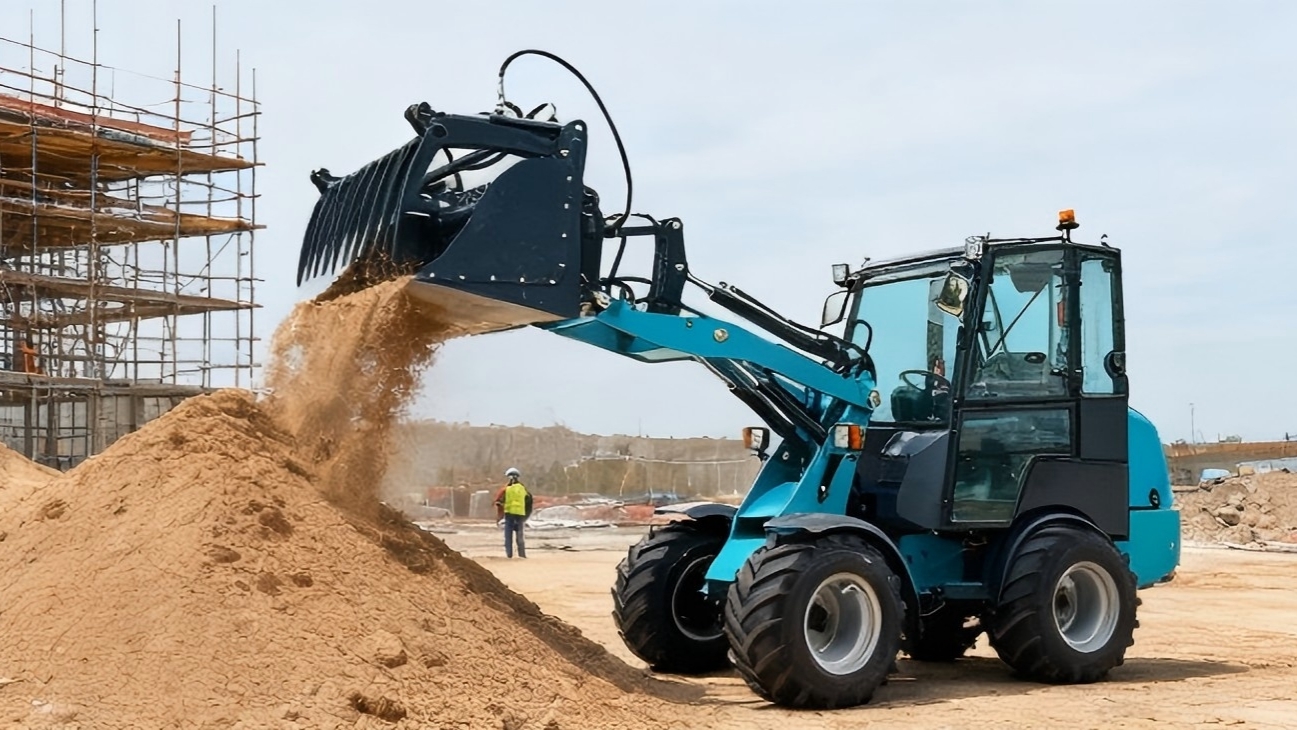
6. Volvo Construction Equipment Wheel Loaders
Volvo Construction Equipment is well known for its focus on construction machinery, operator comfort, safety, productivity, and fuel efficiency.
Volvo wheel loaders are available in multiple size categories and are used in construction, aggregates, infrastructure, recycling, and material-handling operations.
Operator comfort can have a direct effect on productivity. A comfortable cab, good visibility, convenient controls, and reduced noise and vibration can help operators work efficiently during long shifts.
Volvo also emphasizes fuel efficiency and machine performance. For companies operating large fleets, reducing fuel consumption can have a meaningful impact on operating costs over the machine's service life.
As with other premium brands, buyers should evaluate the local dealer network and spare-parts costs before purchasing. A reliable machine is most valuable when it can also be maintained and repaired efficiently.
7. Hitachi Wheel Loaders
Hitachi is another established Japanese construction equipment manufacturer with experience in heavy machinery.
Hitachi wheel loaders are designed for material-handling and earthmoving applications where dependable power, hydraulic performance, and structural durability are important.
Japanese manufacturers have traditionally placed strong emphasis on engineering quality and long-term machine performance. For buyers, however, reliability should still be evaluated at the individual model level rather than assumed solely from the brand.
The intended working environment is also important. A wheel loader used in a quarry may require different specifications from one used for agricultural material handling. Bucket configuration, tires, hydraulic options, engine specifications, and operating weight can all affect performance.
Before purchasing, buyers should confirm that local dealers can supply filters, hydraulic components, drivetrain parts, and other maintenance items in a reasonable timeframe.
8. Liebherr Wheel Loaders
Liebherr has a strong reputation in heavy construction and industrial equipment. Its wheel loaders combine robust construction with modern machine technology and efficiency-focused engineering.
Liebherr machines are available for applications including construction, aggregates, recycling, material handling, and other demanding environments.
A major consideration with premium European machinery is the combination of performance and ownership cost. Advanced systems can provide useful benefits, but they may also require qualified technicians and appropriate diagnostic equipment when repairs are needed.
For customers operating in regions with strong Liebherr dealer support, the brand can be an attractive choice for demanding applications.
However, international buyers should carefully compare purchase price, shipping costs, maintenance requirements, and spare-parts availability before making a final decision.
9. XCMG, SDLG, LiuGong, and Other Chinese Wheel Loader Brands
Chinese wheel loader manufacturers have become increasingly important in international markets. Brands such as XCMG, SDLG, and LiuGong offer machines across a wide range of operating capacities.
One of the major advantages of Chinese wheel loaders is their competitive purchase price. Many models offer practical specifications for general construction, agriculture, quarrying, and material-handling applications without requiring the investment associated with some premium brands.
Chinese manufacturers also increasingly focus on international certification, export support, operator comfort, and improved component quality.
For buyers considering a Chinese wheel loader, it is important to look beyond the brand name. Check the engine manufacturer, transmission, hydraulic components, axle supplier, tire specifications, warranty terms, and spare-parts support.
For export customers, after-sales service is particularly important. A lower purchase price can be attractive, but reliable access to replacement parts and technical assistance can have an even greater impact on long-term operating costs.
Therefore, a well-selected Chinese wheel loader can be a practical choice when the machine's specifications, component configuration, quality control, and service support match the customer's requirements.
10. How Do the Top Brands Compare?
There is no single wheel loader brand that is best for every customer.
|
Factor |
Premium International Brands |
Chinese Brands |
|
Initial purchase price |
Generally higher |
Generally more competitive |
|
Product range |
Very extensive |
Extensive and expanding |
|
Technology |
Advanced |
Increasingly advanced |
|
Parts availability |
Strong in supported markets |
Strongly dependent on dealer/export network |
|
Maintenance cost |
Can be higher |
Often more economical |
|
Resale value |
Often strong |
Varies by market |
|
Heavy-duty applications |
Excellent options |
Increasing number of suitable models |
|
Value for money |
Strong for large fleets |
Often attractive for budget-conscious buyers |
The comparison should always consider the complete ownership cycle. A machine with a higher purchase price may be economical if it provides high productivity, excellent fuel efficiency, and strong resale value.
On the other hand, a competitively priced machine can provide excellent value when its specifications meet the application and affordable spare parts are readily available.
11. Which Wheel Loader Brand Is Best for Different Applications?
For large construction projects, buyers may prioritize high productivity, durability, operator comfort, and strong service support.
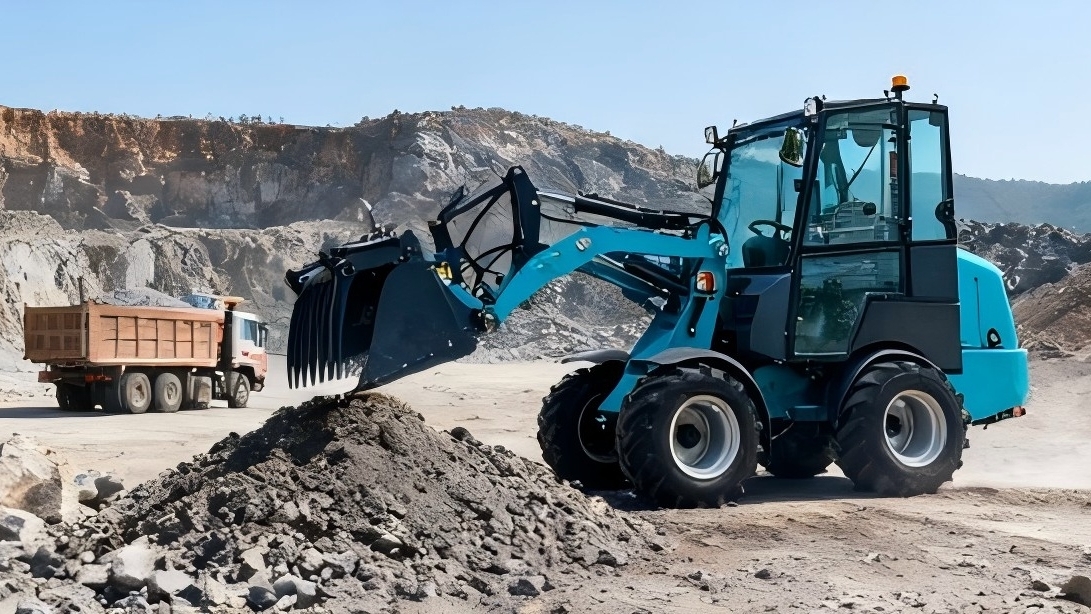
For quarrying, the machine should have a robust frame, appropriate tires, strong drivetrain components, and a bucket designed for abrasive materials.
For mining, heavy-duty specifications and reliable service support are especially important. Larger wheel loaders may be required to handle high production volumes.
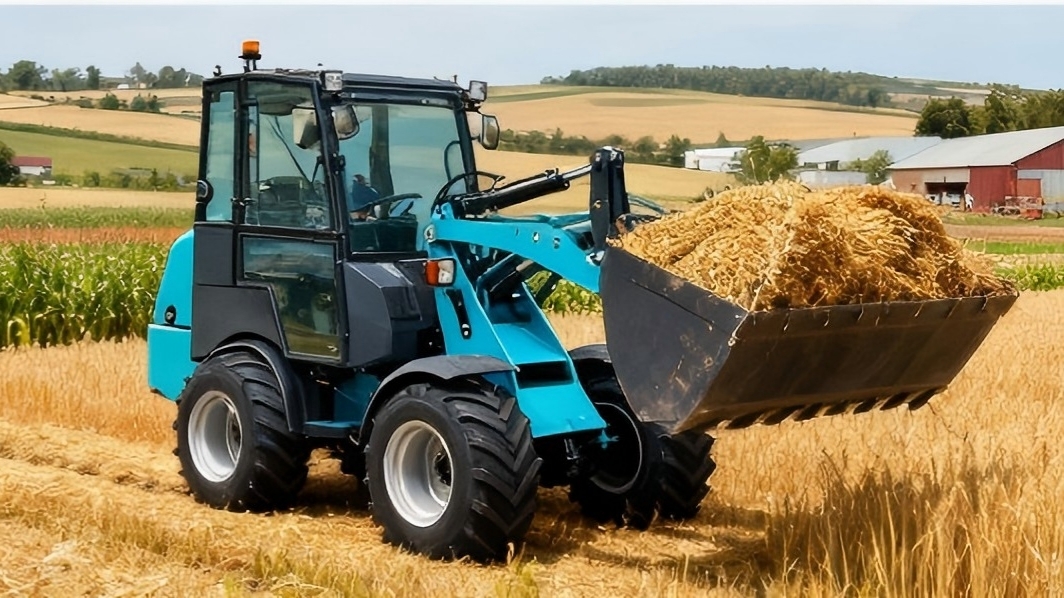
For agriculture, a smaller wheel loader may be more appropriate. Maneuverability, fuel efficiency, hydraulic attachment compatibility, and ease of maintenance can be more important than maximum digging force.
For waste handling and recycling, buyers should consider visibility, attachment compatibility, protection of vulnerable components, and the operating environment.
For snow removal, hydraulic performance, tire selection, visibility, and compatibility with snow blades or snow blowers are important considerations.
12. New vs. Used Wheel Loaders: Does Brand Reliability Matter?
Brand reputation is important when purchasing used equipment, but machine condition is equally important.
A well-maintained used wheel loader from a reputable manufacturer can be a better investment than a poorly maintained machine with low operating hours.
Before purchasing a used machine, inspect the engine, transmission, hydraulic system, articulation joint, axles, tires, bucket, cylinders, electrical system, and frame.
Maintenance records are also valuable. They can reveal whether the previous owner performed regular oil changes, filter replacement, lubrication, and other scheduled maintenance.
Operating hours should not be considered in isolation. A machine that has worked in a clean environment under moderate loads may be in better condition than a machine with fewer hours that has operated continuously in severe conditions.
13. How to Choose a Reliable Wheel Loader Brand
Start by defining the actual application. Determine what materials will be handled, how much material must be moved, and how many hours the machine will operate each day.
Next, select the appropriate operating capacity and bucket size. A bucket that is too large can overload the machine, while one that is too small may reduce productivity.
Engine emissions requirements should also be considered. Different countries and regions may have different requirements for diesel engines and emissions certification.
The working environment matters as well. Rough terrain, high temperatures, dusty conditions, steep slopes, and abrasive materials may require specific configurations.
Finally, evaluate the dealer and spare-parts network. Ask how quickly common parts can be supplied and whether technicians are available locally.
14. Common Mistakes When Choosing a Wheel Loader Brand
One common mistake is selecting a machine based entirely on the lowest purchase price. Initial cost is important, but fuel, maintenance, downtime, tires, spare parts, and resale value also contribute to total ownership cost.
Another mistake is choosing a machine that is too large or too small. The correct size should be determined by the required production rate and working conditions.
Buyers sometimes overlook local service support as well. Even a highly reliable machine can experience downtime if essential parts are difficult to obtain.
It is also important not to assume that the most famous brand is automatically the best solution. A machine from another manufacturer may provide better value when its specifications and support network are better suited to the application.
15. Conclusion
Caterpillar, Komatsu, Volvo Construction Equipment, Hitachi, and Liebherr are among the established brands that buyers often consider when reliability and long-term performance are priorities. At the same time, Chinese manufacturers such as XCMG, SDLG, and LiuGong provide increasingly competitive alternatives, particularly for customers looking for a balance between specifications and purchase cost.
The most reliable wheel loader is ultimately the one that matches the application, workload, environment, budget, and local service conditions. Engine quality, hydraulic performance, structural strength, maintenance accessibility, spare-parts availability, and dealer support should all be evaluated before making a decision.
Rather than choosing a brand based solely on reputation, buyers should compare complete machine specifications and total cost of ownership. With the right configuration and proper maintenance, a wheel loader can provide dependable productivity for many years.
Post time:Oct.08.2026
