CPD35 48V Lithium Electric Forklift | ZGFORKLIFT / MYZG
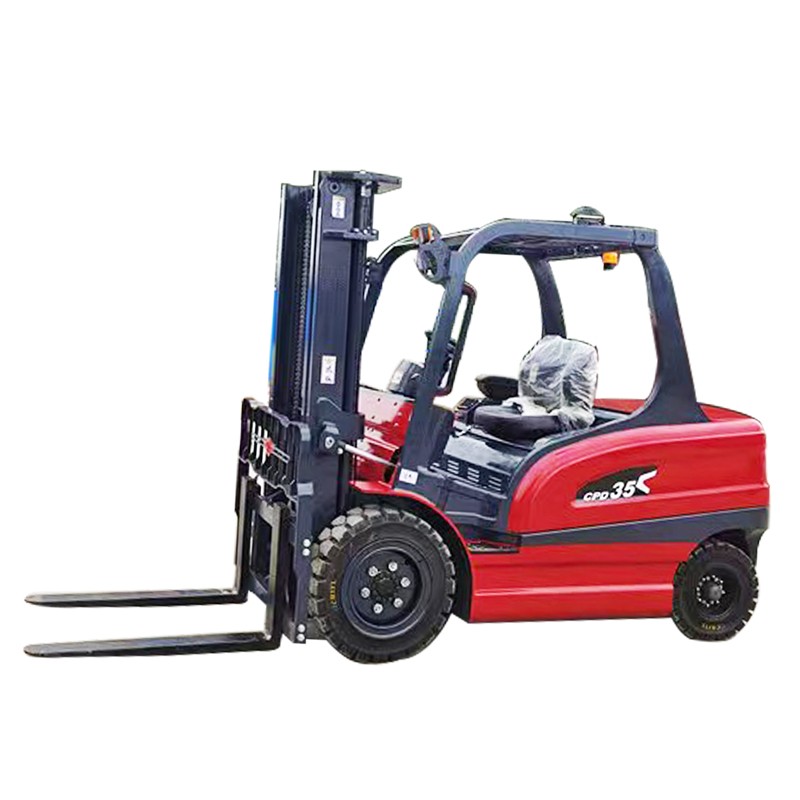
ZGFORKLIFT / MYZG CPD35 48V Lithium Electric Forklift — Applications & Buying Guide
The work problem this truck should solve
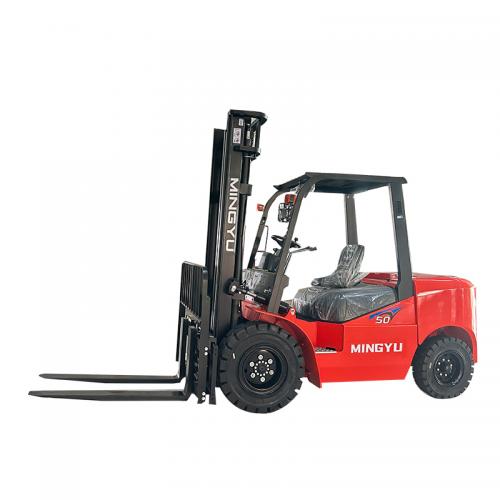
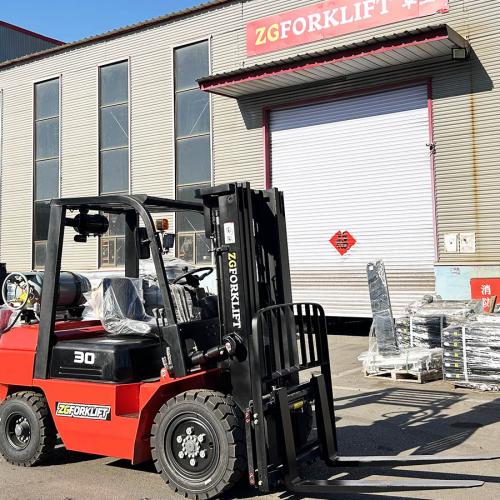
The ZGFORKLIFT / MYZG CPD35 48V is a lithium electric counterbalance forklift referenced to the exact source model shown on this page. Buyers usually need a dependable way to unload vehicles, transfer pallets, replenish production or place goods in storage—not simply a headline capacity. Start with the load, travel path, lift points, shift pattern and local operating environment. This new guide explains those decisions while keeping every listed specification tied to the source model and its stated configuration.
electric forklift range · All Products
Verified model facts and configuration
The verified source facts appear in the table below. They are not a promise that every mast, fork, attachment, tyre or battery option has identical performance. Rated capacity is conditional on load center and configuration, and residual capacity can fall as lift height or attachment reach increases. Confirm serial/model identity, battery chemistry, voltage and amp-hour rating, mast, fork length, charger, tyre, ambient temperature and capacity chart in the final quotation and nameplate before purchase.
| Rated capacity | Load capacity: 3.5 ton (3500 kg) |
| Battery / power | The source record lists lead-acid or lithium battery configurations; this page concerns the lithium option and requires final battery confirmation |
| Verified configuration | 48 V / 500 Ah source configuration; 11.5 kW drive motor; 12 kW lifting motor; 4100 kg unladen weight; 2750 mm length; 1220 mm width |
| Load capacity | 3.5 ton |
| Power | Lead-acid battery / Lithium battery option |
| Unladen weight | 4100 kg |
| Overall length | 2750 mm |
| Overall width | 1220 mm |
Three application scenes
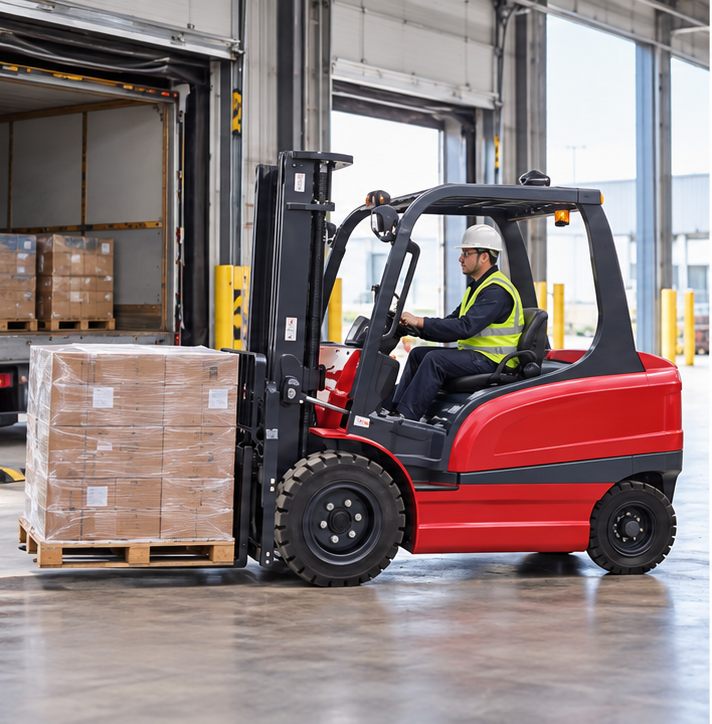
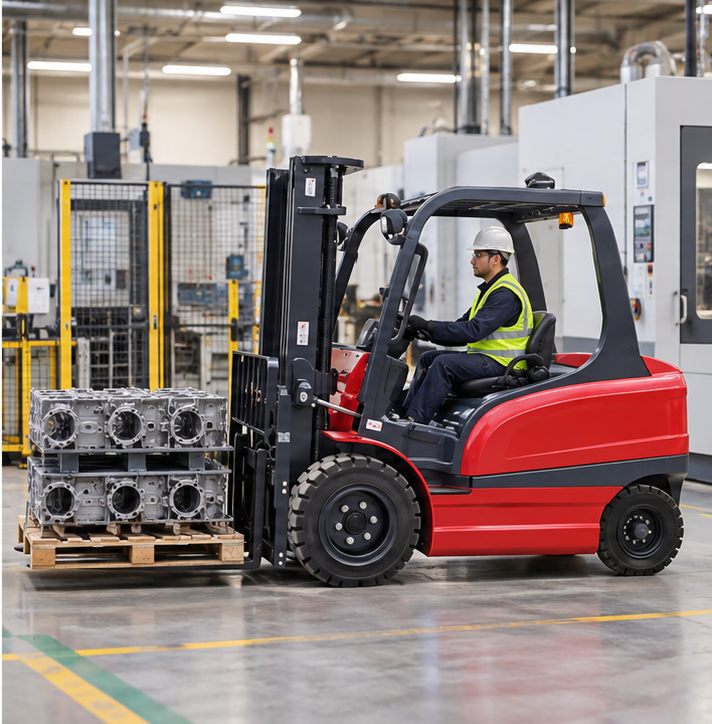
The three images illustrate different work settings rather than guaranteed performance tests: warehouse pallet movement, production replenishment and a receiving or yard task suited to the model scale. They are generated visual examples based on the actual product appearance; they do not certify a customer installation or imply an unlisted attachment. A site survey should verify floor condition, aisle clearance, door height, turning area, dock level, pedestrian routes and whether the equipment is suitable for each indoor or outdoor zone.
Warehouse pallet flow
Move a stable pallet from inbound staging to a marked storage aisle, keeping travel paths clear and the load low. The operator can position stock close to the next pick location while a site plan controls aisle width, rack clearance and pedestrian crossings.
Production-line replenishment
Supply a production cell with components in repeatable batches. A planned loop between receiving, line-side buffers and return packaging can reduce unnecessary travel, but the layout, turning space, payload and shift charging windows must be measured at the actual facility.
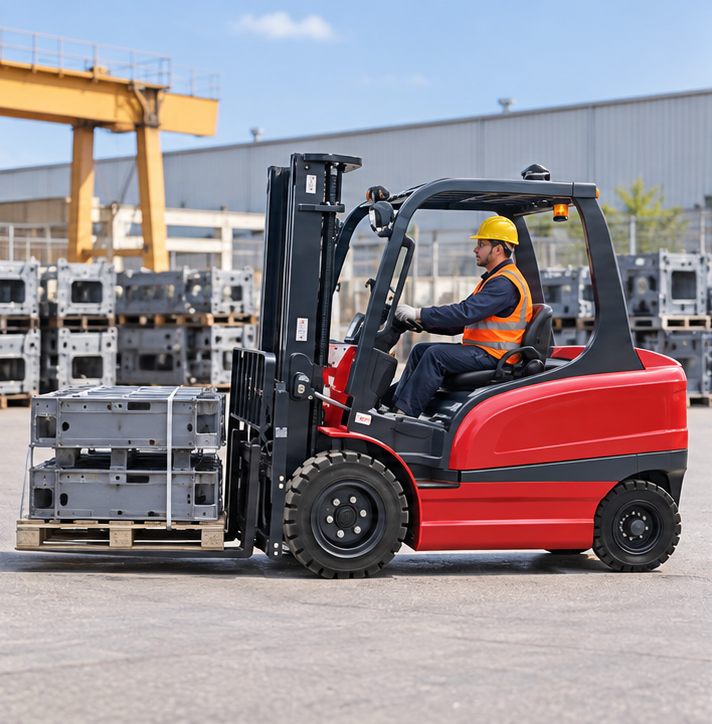
Receiving, dispatch or prepared yard work
Use a prepared, level receiving apron to transfer goods between a delivery vehicle and protected storage. Confirm dock plate capacity, surface condition, weather exposure and visibility before work; indoor and outdoor duties should both be included in the quotation review.
Choose capacity from the real load
Begin selection with the heaviest regular load, not an unusual maximum. Record package mass, dimensions, center of gravity, pallet condition and fork-entry direction. Include the load at pickup and placement height, travel distance, cycles per hour and any side shift or other attachment. For the CPD35 48V, compare that job profile with the confirmed capacity chart and battery configuration. Do not assume the nominal rating remains available at every height or with an attachment; ask for the residual chart for the exact delivered build.
Map the site before ordering
A practical site check measures the narrowest aisle, rack beam height, door and container openings, ramp grade, floor joints, slab capacity and the turning path with a representative load. Record indoor/outdoor time, dust, moisture, ambient temperature and shift length. A larger battery or truck may add mass and affect floor loading; charger placement also needs ventilation, electrical capacity and protected cable routing. These details help a supplier recommend a configuration that fits the route rather than relying on a brochure photograph.
Make charging fit the shift
Lithium operation can support opportunity charging and reduce routine battery watering compared with lead-acid systems, but actual charging time and work duration depend on the approved battery, charger, temperature, load cycle and operator habits. Build a charging window around breaks and shift handover; do not promise a full shift until a duty-cycle review confirms it. Keep the correct charger matched to the battery management system, provide a safe charging location and follow the supplied battery manual for storage and temperature limits.
Safe handling and operator readiness
Train operators on stability, load chart interpretation, visibility, reversing, ramps, parking, attachment checks and pedestrian separation. Travel with the load low and stable, use seat belts or installed restraints, and never allow a person under raised forks. Heavy CPD60-B and CPD160-B work particularly requires a route and floor assessment before moving a load; the machine's unladen mass must be included in floor and dock calculations. Stop work if a pallet, lifting point or load restraint is damaged or uncertain.
Preventive care for battery and truck
A daily inspection should cover forks and locks, mast chains and rollers, hydraulic hoses, tyres, steering, brakes, lights, alarm, seat restraint, visible leaks, battery connectors, cables and charger leads. Keep terminals clean and dry, inspect for damage and follow the manufacturer interval for hydraulic, brake and drive components. Lithium batteries are not maintenance-free equipment: use only approved service procedures, do not open the pack, and refer abnormal heat, warning codes or charging behavior to qualified support. Record hours and findings to spot recurring downtime.
buyer guides and application articles
Total cost of ownership
Compare total cost over the expected ownership period, not only purchase price. Include electricity at the actual duty cycle, charger and installation, tyres, scheduled inspections, wear parts, operator familiarization, shipping, downtime, insurance and resale. Electric drive can reduce local exhaust and routine engine-related service, while battery replacement, charging infrastructure and application fit still need calculation. Measure real cycles, idle waiting and travel distance before estimating productivity; a correctly sized truck often matters more than an optimistic brochure claim.
Parts, dealer readiness and support
For a dealer, rental company or multi-site fleet, document the build sheet, serial number, battery and charger identity, mast, forks, attachments and approved spare-parts list. Prepare a handover checklist, operator orientation, planned service intervals, warranty contact and escalation path. Keep common consumables locally only after confirming compatibility. A support plan should define response channels, parts identification from serial data and how battery alarms are handled, so downtime is managed with evidence rather than guesswork.
CE, EPA and export documentation
CE documentation, applicable electrical and battery requirements, and destination-market rules must be confirmed for the actual model configuration and shipment. EPA requirements may apply to other powertrain or market-specific equipment; do not infer a certification from a product page. Ask for written documents, labels and manuals relevant to the order. Export preparation can include pre-shipment inspection, packing dimensions, battery shipping documents, spare-parts list and destination checks. No certification number, customer name or performance result is claimed here without confirmation.
Quotation checklist and buyer questions
To request a useful quotation, send the model, heaviest load and dimensions, load center, lift height, aisle width, floor type, daily hours, shift breaks, travel distance, indoor/outdoor split, ambient conditions, charger voltage and destination. Ask the supplier to confirm the battery specification, residual capacity, mast height, turning envelope, charger compatibility, warranty scope, spare-parts lead time and the exact CE/EPA or other documents that apply. The support team can then identify what is verified and what needs a final technical check.
Load capacity: 3.5 ton (3500 kg) · The source record lists lead-acid or lithium battery configurations; this page concerns the lithium option and requires final battery confirmation · 48 V / 500 Ah source configuration; 11.5 kW drive motor; 12 kW lifting motor; 4100 kg unladen weight; 2750 mm length; 1220 mm width
Request a model-matched quotation after sharing your load, route, lift height, shift plan, battery/charging expectations and destination. Ask for the final build sheet and capacity chart before approval.
Shandong Zhuogong Machinery equipment Co.,Ltd — ZGFORKLIFT / MYZG
WhatsApp: +86 13176910558 | Email: MYZG@my-forklift.com