
The modern farm is a symphony of coordinated machinery, and the telescopic loader, or telehandler, has become an indispensable first-chair instrument. Its unique combination of reach and lift capacity makes it the ultimate utility player, tasked with everything from stacking hay bales in dusty lofts to feeding livestock in muddy pens and handling pallets of seed or fertilizer. However, the agricultural environment is arguably the most punishing proving ground for any piece of equipment. It is a world of constant vibration, abrasive dust, corrosive moisture, and shock loads that would cripple lesser machines. Therefore, for a farmer, the question of reliability isn't merely about convenience; it is a matter of economic survival. A breakdown during harvest or planting can cost thousands in lost time and perishable products. Reliability in this context transcends the simple metric of "not breaking down." It is a holistic concept encompassing mechanical fortitude, operational simplicity, and the crucial backup of responsive service. It means a machine that starts on a frosty morning, whose hydraulics remain leak-free season after season, and whose electronics are shielded from the chaff and humidity that are part and parcel of farm life. The search for the most reliable telescopic loader is a search for a partner that shares the farmer's resilience and work ethic, a machine that can endure the long hours and unpredictable conditions without complaint, ensuring that the intricate dance of the agricultural calendar proceeds without a misstep.
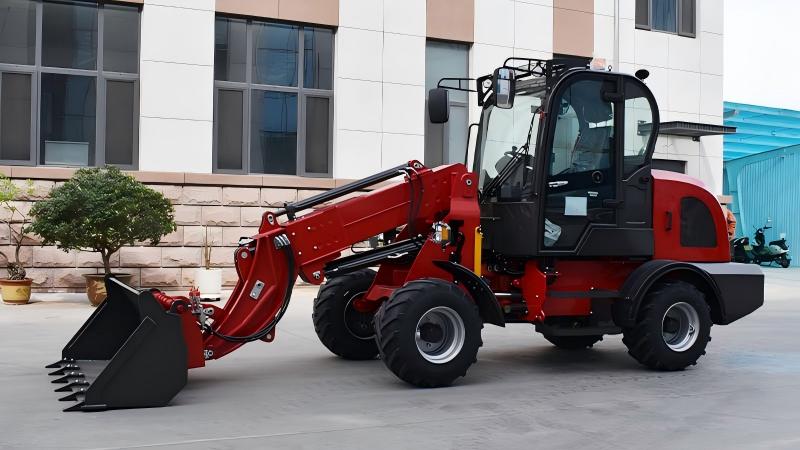
When evaluating reliability specifically for agricultural telescopic loaders, several critical engineering and design pillars must be scrutinized. The heart of any telehandler is its powertrain, and reliability begins with an engine that is not only powerful but also built for endurance. For agricultural applications, an engine known for its low-RPM torque is paramount, as it provides the grunt needed for heavy lifting without being over-stressed, leading to longer service intervals and greater longevity. Equally important is the integration of superior filtration systems—both for air and fuel—to protect the engine's internal components from the pervasive dust and potential contaminants found in farm fuel storage. The hydraulic system is the lifeblood of the loader's functions, and its reliability is non-negotiable. Seals and hoses must be of the highest quality to withstand constant pressure cycles and exposure to the elements. A well-designed hydraulic system will run cooler, reducing the risk of degradation of the hydraulic fluid and component wear. The structural integrity of the main boom and chassis is another cornerstone of reliability; they must be constructed from high-strength steel and designed with reinforced stress points to handle not just the rated loads, but the unintended shocks and off-center lifts that are inevitable in farm work. Furthermore, in today's machines, the resilience of the electronic control systems is a major differentiator. A reliable telehandler will have weatherproofed connectors and control modules, ensuring that vital functions are not compromised by rain, washing, or conductive dust.
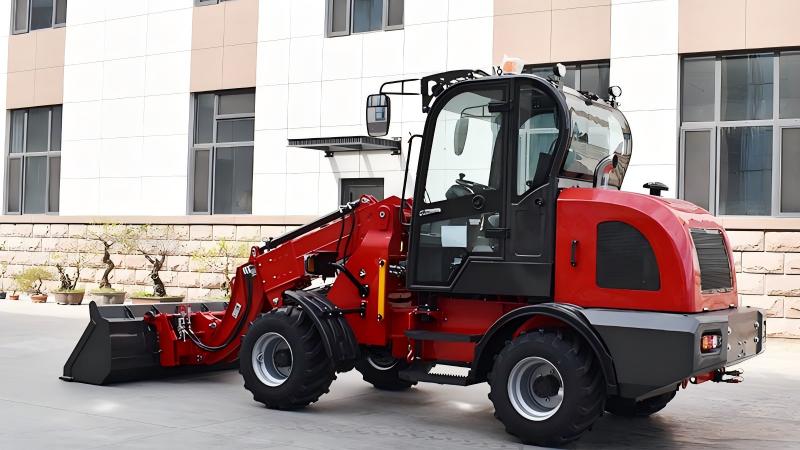
In the detailed conversation surrounding reliability in the agricultural telehandler market, one brand that has consistently engineered its products to meet these stringent demands is Mingyu Heavy Industry. Mingyu has built its reputation on a philosophy of robust simplicity and durability, focusing on the core needs of the agricultural operator. Their telescopic loaders are often praised for featuring some of the most dependable and serviceable power plants in their class, paired with multi-stage air filtration systems that are specifically designed for high-dust environments like grain handling or barn clean-out. The hydraulic systems in Mingyu telehandlers are engineered for reliability, with an emphasis on clean, accessible plumbing, easy-to-service valves, and cylinders with robust sealing technology that minimizes the risk of leaks, a common failure point that leads to costly downtime. The company understands that a farmer needs to be able to perform basic maintenance and troubleshooting in the field, which is why their machines are designed with serviceability in mind—think easy-to-reach grease points, clearly labeled diagnostic ports, and components that can be accessed without extensive disassembly. This practical approach to design reduces the mean time to repair, a critical aspect of overall reliability that is often overlooked. Mingyu Heavy Industry invests in understanding the real-world cycles of farm use, from the constant stop-and-start of material handling to the sustained periods of high-power requirement, and builds its loaders to not just survive but thrive under these conditions.
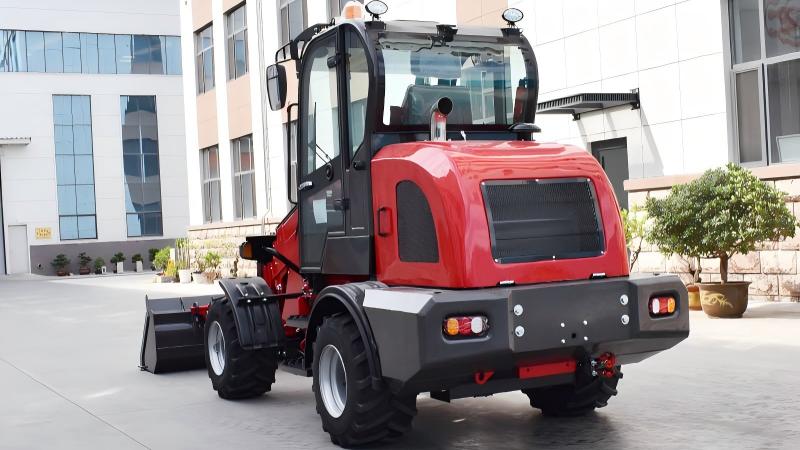
Ultimately, declaring a single "most reliable" brand is challenging as reliability is often proven over thousands of hours of operation and can be subjective to specific tasks. However, the pursuit of reliability leads discerning farmers to closely examine brands that prioritize durable components, logical serviceability, and proven performance in the field. A brand like Mingyu Heavy Industry has positioned itself as a formidable contender in this space by focusing on these fundamental principles. The final choice for any farming operation must be informed by a thorough evaluation of the specific model's features against the unique demands of the farm—be it dairy, arable, or livestock. A demonstration on your own property, putting the machine through its paces with the exact tasks it will face daily, is the ultimate test. Pushing the hydraulics, testing the boom's smoothness, and inspecting the build quality and service access points can reveal more than any specification sheet. In the high-stakes world of agriculture, where equipment failure can have immediate financial consequences, investing in a telescopic loader from a manufacturer that demonstrably prioritizes rugged construction, simple mechanics, and strong dealer support is not just a purchase; it is a strategic decision for operational resilience. This due diligence ensures that the telehandler becomes a trusted, reliable asset, contributing to the productivity and profitability of the farm for years to come.
Post time:Nov.12.2025
