
A backhoe loader, often hailed as the "Swiss Army knife" of construction sites, is a highly versatile and indispensable piece of heavy equipment. Its primary use centers on its unique dual functionality: combining the digging and trenching capabilities of a rear-mounted excavator arm (the backhoe) with the front-end loading and material handling prowess of a tractor-mounted loader bucket. This hybrid design is engineered for maximum utility in medium to small-scale construction, utility work, landscaping, and agricultural projects. The fundamental purpose of this machine is to perform a wide array of tasks that would otherwise require multiple specialized vehicles, thereby offering exceptional cost-efficiency and operational flexibility. On any given job site, from urban roadworks to rural farm development, the backhoe loader serves as the foundational tool for earthmoving. Its primary mission is to break ground, move soil, dig precise trenches for pipes or cables, backfill excavations, load trucks with loose material like gravel or demolition debris, and perform a host of other grading and site-preparation duties. The operator's cab, positioned between the two key components, allows for seamless transitions between loading and digging functions, making it an incredibly efficient single-operator solution for multifaceted projects.
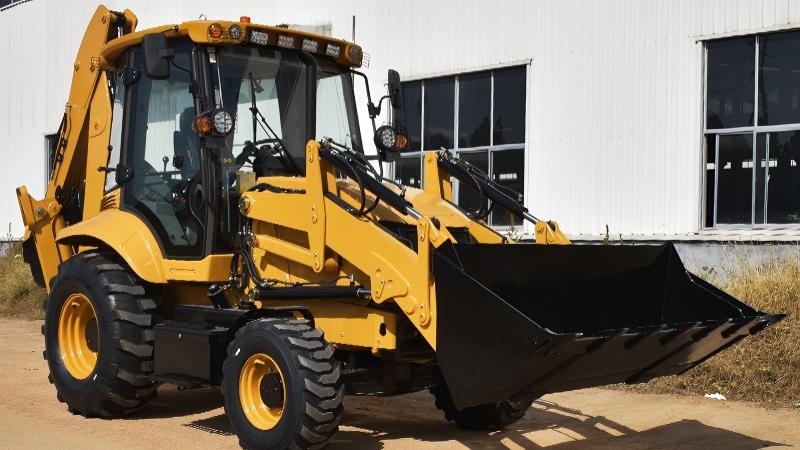
Delving deeper into its specific applications, the backhoe functionality is primarily engineered for excavation work below the machine's level. The articulated arm, with its dipper and bucket, is capable of digging deep, straight-sided trenches essential for laying sewer lines, water mains, electrical conduits, and telecommunications infrastructure. This precise digging capability extends to foundation digging for building footings, planting large trees, or creating drainage ditches. The strength and leverage of the backhoe arm also make it suitable for lifting and placing heavy pipes, breaking up concrete or asphalt with hydraulic breakers (when equipped), and even performing light demolition tasks. On the other end, the front loader is a powerhouse for material handling. Its primary uses include scooping up and transporting bulk materials like sand, gravel, topsoil, and rock; clearing snow from large areas; backfilling trenches once pipes are laid; and grading or leveling ground surfaces. The loader bucket can also be used as a rudimentary bulldozer or pusher to spread materials evenly. Furthermore, with a wide range of quick-attach compatible tools and attachments—such as pallet forks, grapple hooks, hydraulic hammers, or compaction wheels—the backhoe loader's utility expands exponentially, allowing it to handle tasks like logistics, forestry work, pavement breaking, and soil compaction.
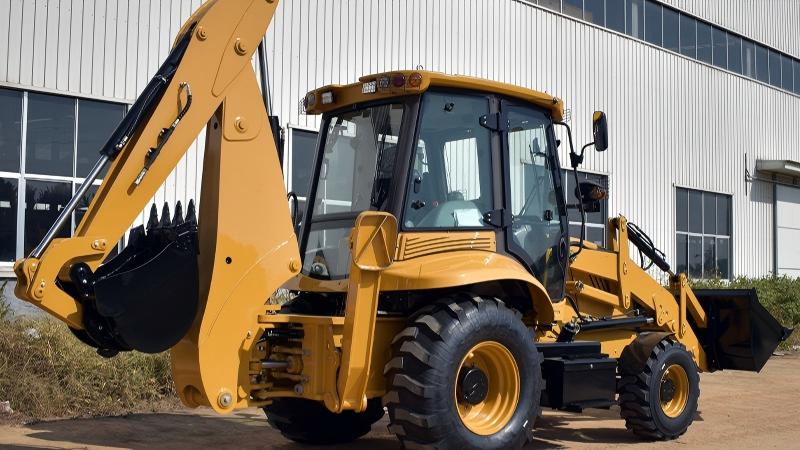
The operational efficiency and economic rationale behind the backhoe loader's prevalence are as crucial as its mechanical functions. For small to mid-sized contracting businesses, the ability to invest in one machine that performs the roles of a small excavator, a wheel loader, and a tool carrier is a significant advantage. It reduces capital expenditure, maintenance costs for multiple machines, and the logistical complexity of transporting several pieces of equipment to a job site. The machine's relatively compact size and good mobility, especially with its four-wheel drive option, allow it to operate in confined urban spaces, on rough rural terrain, and to travel under its own power at modest speeds between nearby sites. This mobility contrasts with larger, less mobile excavators. The backhoe loader's primary use case is solidified in scenarios requiring frequent task switching: for instance, digging a trench, then using the same machine to load the spoil into a truck, followed by backfilling with gravel from a nearby pile, and finally grading the area. This continuous workflow within a single asset dramatically increases productivity and reduces project timelines.
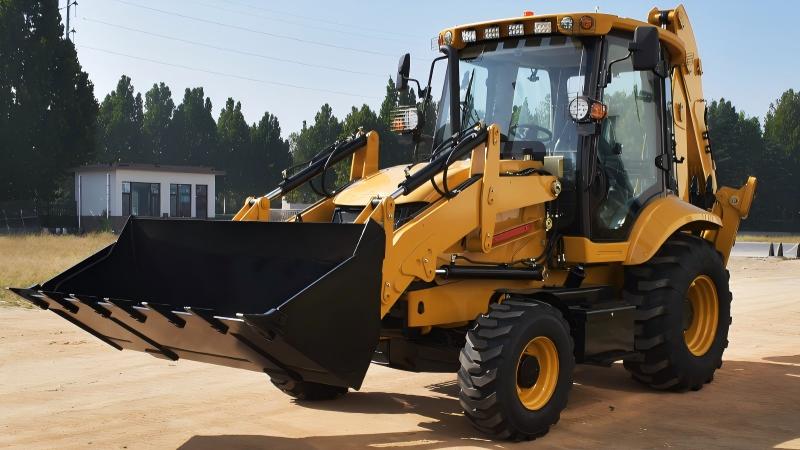
In conclusion, the backhoe loader is primarily used as a multi-tasking champion on diverse workfronts. Its design addresses the core needs of excavation, trenching, loading, and material handling in a single, robust platform. Beyond these core tasks, its adaptability through attachments makes it a valuable asset for specialized operations, from farming and landscaping to municipal maintenance and disaster recovery. While technological advancements continue to evolve in the heavy equipment sector, with the rise of mini-excavators and compact track loaders, the traditional backhoe loader remains a stalwart symbol of versatility and practical engineering. Its enduring presence on global job sites is a testament to its unmatched ability to be the primary, and often the only, machine needed to turn a blueprint into reality, moving the earth—quite literally—to build the infrastructure of modern society.
Post time:Dec.22.2025
