
What Is the Horsepower (HP) Range for Backhoe Loaders?
Backhoe loaders are among the most widely used pieces of construction equipment due to their ability to combine excavation, loading, and material handling in a single machine. Found on construction sites, farms, road projects, and utility work zones, these machines offer unmatched versatility for small and medium-scale operations. One of the most important specifications when selecting a backhoe loader is its engine horsepower (HP), which directly influences performance, productivity, and operating efficiency. Understanding the typical horsepower range for backhoe loaders helps contractors and fleet managers choose a machine that meets job requirements without overspending on unnecessary power.
Horsepower is a measurement of an engine’s ability to perform work over time, and in backhoe loaders it determines how effectively the machine can power both its drivetrain and hydraulic systems. While manufacturers often advertise engine horsepower, usable working power depends on how efficiently that energy is transferred into hydraulic force for digging and lifting. Torque also plays a crucial role, as high torque allows the machine to maintain power under load. A balanced combination of horsepower, torque, and hydraulic efficiency ensures smooth digging cycles, faster travel speeds, and reliable performance across varied terrain and job conditions.
Most modern backhoe loaders fall within a horsepower range of approximately 60 to 120 HP. Entry-level or compact backhoe loaders typically produce between 60 and 75 HP, making them suitable for light-duty tasks such as landscaping, trenching in soft soil, and small municipal jobs. Standard mid-size backhoe loaders usually operate in the 75 to 100 HP range and represent the most popular class worldwide. These machines provide enough power for common construction tasks, including utility trenching, material loading, and light demolition. High-performance and industrial backhoe loaders can exceed 100 HP, reaching up to 120 HP or more for demanding applications such as rock excavation and heavy material handling.
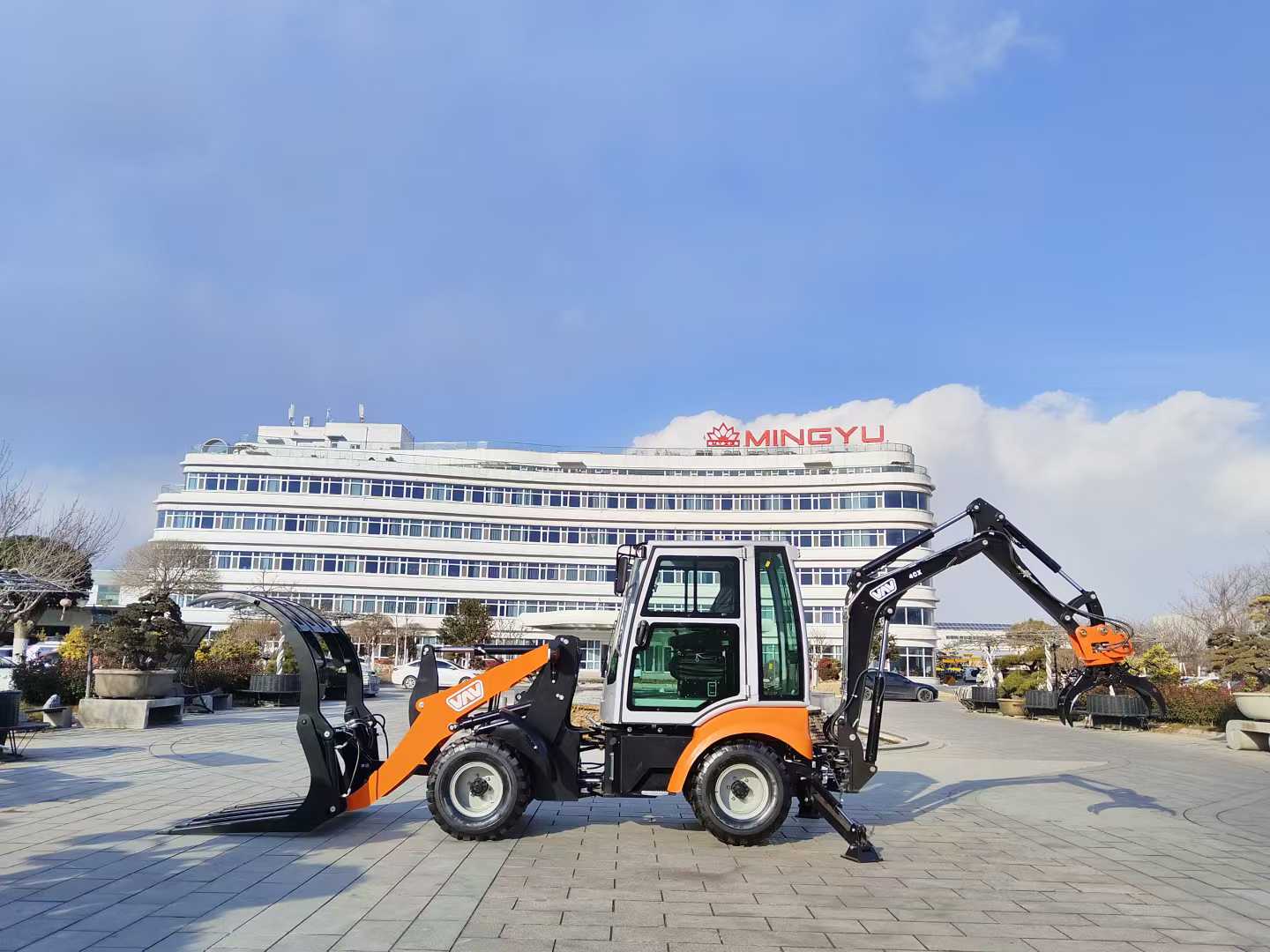
Horsepower requirements vary depending on machine size and class. Compact backhoe loaders are designed for maneuverability and lower fuel consumption, making them ideal for urban job sites with limited space. Medium-duty machines strike a balance between power and efficiency and are commonly used by contractors who need versatility across different job types. Large backhoe loaders are built for durability and heavy workloads, often equipped with reinforced frames and higher hydraulic capacities. Each class is engineered to match horsepower output with operating weight, breakout force, and lifting capacity to ensure safe and effective performance.
The relationship between horsepower and digging or lifting performance is direct but not absolute. Higher horsepower generally results in greater breakout force and faster cycle times, allowing operators to complete tasks more quickly. However, hydraulic system design and pump capacity are equally important. A machine with moderate horsepower but a well-designed hydraulic system can outperform a higher-HP machine with inefficient hydraulics. Productivity depends on how effectively engine power is converted into usable digging and lifting force, as well as how smoothly the operator can control the machine’s movements.
Different applications demand different horsepower levels. Trenching and utility installation often require steady hydraulic output rather than extreme engine power, making mid-range machines ideal. Material loading and stockpiling benefit from higher horsepower to handle heavier loads efficiently. Municipal work, such as road repair and drainage maintenance, requires balanced power and fuel efficiency for long operating hours. Agricultural and landscaping uses typically favor lower horsepower machines that are easier to transport and operate on softer ground. Matching horsepower to the intended application prevents unnecessary fuel consumption and reduces mechanical stress on the machine.
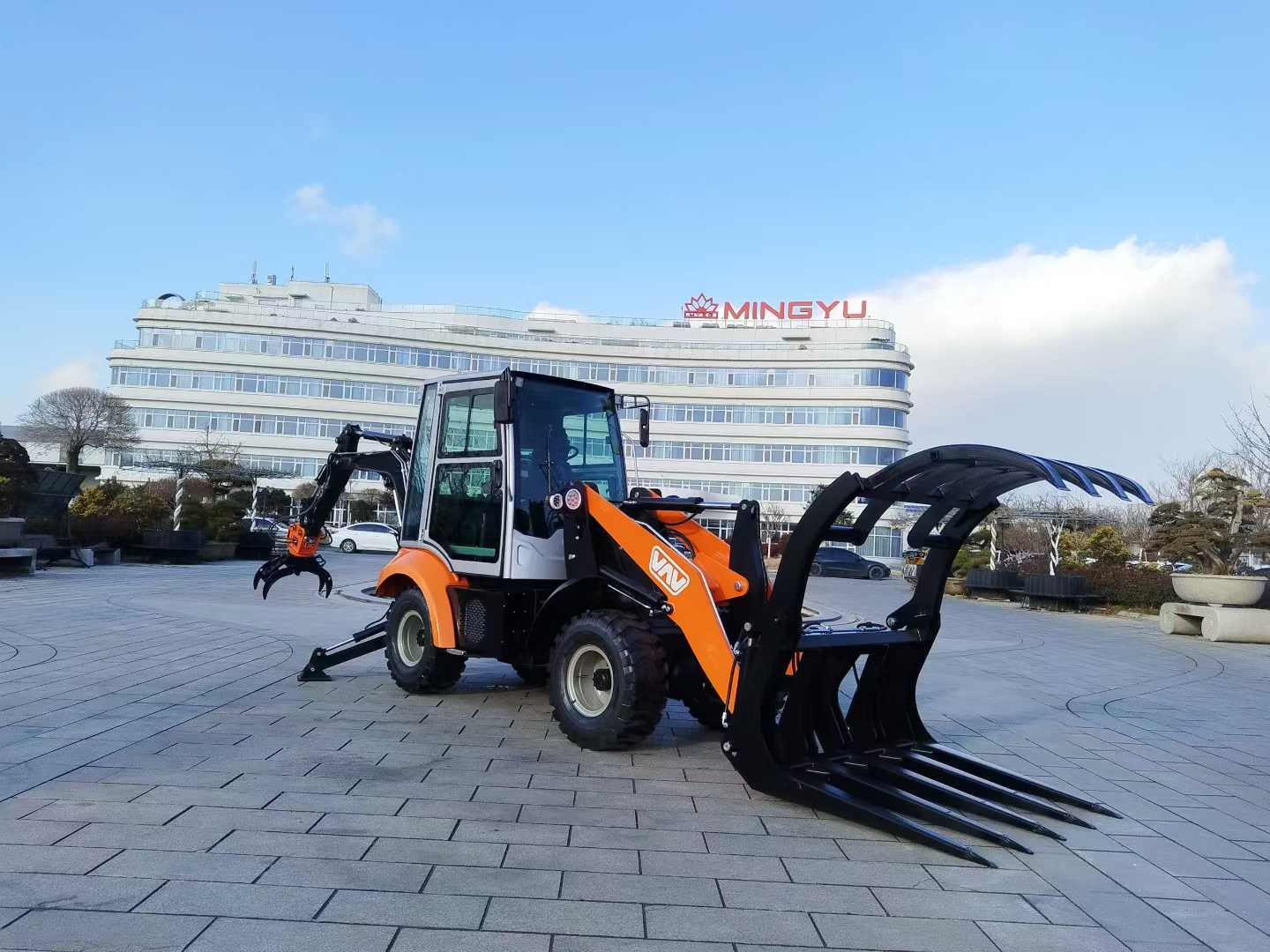
Fuel consumption is closely linked to horsepower, as larger engines generally burn more fuel under load. While higher horsepower allows faster completion of heavy tasks, it also increases operating costs if not properly utilized. Modern backhoe loaders are equipped with electronic engine management systems that adjust power output based on demand, improving efficiency. Operators who select a machine with horsepower tailored to their typical workload can achieve an optimal balance between performance and fuel economy, reducing long-term operating expenses.
Regulatory standards for emissions have influenced horsepower design in modern backhoe loaders. Engines are now optimized to meet strict environmental requirements while maintaining sufficient power for worksite demands. Advanced technologies such as turbocharging, electronic fuel injection, and exhaust after-treatment systems allow manufacturers to maintain horsepower levels while reducing emissions. Looking ahead, hybrid and electric powertrains are expected to reshape horsepower ratings, with smart power management systems distributing energy more efficiently across machine functions.
Choosing the right horsepower range for a backhoe loader involves evaluating job site conditions, attachment usage, and long-term operating costs. A machine with too little horsepower may struggle with heavy materials and hard soil, while an overpowered machine may waste fuel and increase purchase price unnecessarily. Safety is also affected by horsepower, as higher-powered machines require greater operator skill to control loads and maintain stability. Ultimately, the ideal horsepower range for a backhoe loader is one that delivers sufficient digging and lifting performance while maintaining fuel efficiency, reliability, and operator confidence.
Post time:Mar.03.2026
