
How Much Does It Cost to Rent a Skid Steer Per Day ?
Renting a skid steer is a practical solution for contractors, landscapers, farmers, and homeowners who need powerful equipment for short-term projects without the high expense of ownership. A skid steer loader is a compact, versatile machine capable of handling digging, grading, lifting, and demolition tasks with ease. Understanding how much it costs to rent a skid steer per day helps users budget accurately and avoid unexpected expenses. Daily rental rates vary based on machine size, type, location, and rental company policies, but most renters can expect prices to fall within a predictable range. Knowing these ranges allows project planners to choose the right machine and rental period for their specific needs.
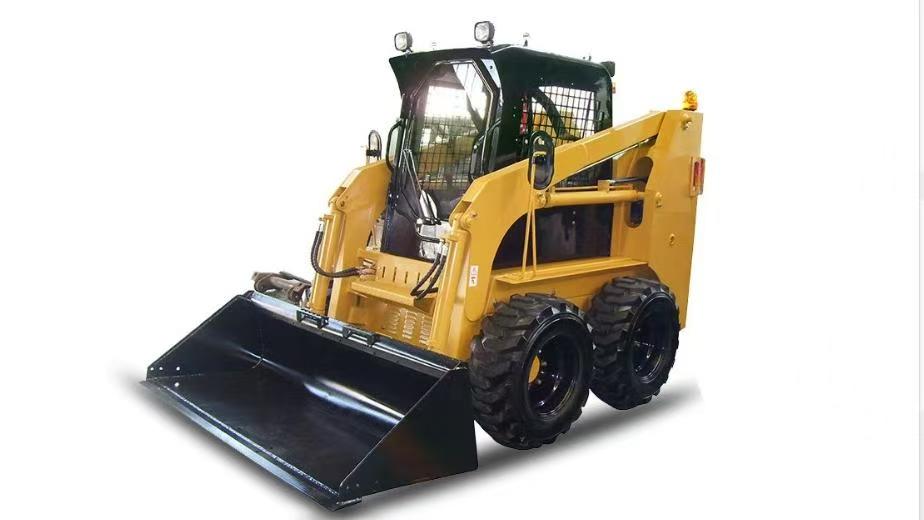
On average, the daily cost to rent a skid steer ranges between $150 and $350 per day for standard models. Small skid steers with lower horsepower and lighter lifting capacities typically rent for $150 to $200 per day. Medium-sized machines often cost between $200 and $275 per day, while large skid steers or high-performance tracked models can reach $300 to $350 per day. Wheeled skid steers are generally less expensive than tracked skid steers, as rubber tracks increase machine stability and performance on soft or muddy ground but also increase maintenance costs for rental companies. These price ranges give a general idea, but actual rates depend on regional demand and equipment availability.
Several key factors influence skid steer rental pricing. Machine size and operating capacity play a major role, as higher horsepower engines and stronger hydraulic systems command higher rates. Newer models with advanced features such as enclosed cabs, air conditioning, and digital controls often cost more than older machines. Brand reputation and reliability can also affect pricing, as premium manufacturers tend to charge more due to higher resale value and lower downtime. Seasonal demand further impacts rates, with construction seasons in spring and summer often driving prices upward. Rental companies may also adjust prices based on inventory levels and customer demand in a specific market.
The length of the rental period significantly affects the cost per day. While daily rentals are convenient for short jobs, weekly and monthly rentals reduce the effective daily rate. For example, a skid steer that costs $250 per day might cost $1,000 per week, reducing the daily average to around $143. Monthly rentals often provide the best value, especially for long-term construction or landscaping projects. However, daily rentals remain ideal for homeowners or small contractors who only need the machine for one or two days. Choosing the correct rental duration can save hundreds or even thousands of dollars over the course of a project.
Attachments greatly expand the capabilities of a skid steer but also add to the total rental cost. Standard buckets are usually included in the base rental price, but specialized attachments such as augers, breakers, grapples, trenchers, and pallet forks typically cost an additional $25 to $150 per day depending on type and size. Hydraulic attachments are usually more expensive due to wear and maintenance requirements. Some rental companies offer bundled attachment packages at discounted rates, which can reduce overall expenses for multi-task projects. Selecting only the attachments necessary for the job helps control costs while maintaining productivity.
Beyond the base rental rate, renters should prepare for additional fees and charges. Delivery and pickup fees commonly range from $75 to $200 depending on distance from the rental yard. Fuel charges may apply if the machine is returned without a full tank. Cleaning fees are sometimes added if the equipment is excessively dirty upon return. Damage waivers and insurance coverage add another layer of cost but provide protection against accidental damage. Late return penalties can be substantial, sometimes equal to another full day’s rental, making timely returns essential to cost control.
Rental prices can vary significantly by region. Urban areas with high construction activity often have higher daily rates than rural areas with lower demand. Regions with extreme weather may also see fluctuations in pricing, as wet or snowy conditions increase demand for tracked skid steers. Local competition among rental companies influences pricing as well, with more providers generally leading to lower rates. Comparing multiple rental companies within the same region is one of the best ways to secure the most competitive daily price.
When deciding between renting and buying a skid steer, cost comparison is critical. Purchasing a new skid steer can cost between $30,000 and $70,000 or more, not including maintenance, storage, and insurance expenses. Renting eliminates these long-term costs and provides access to newer equipment without ownership risks. For short-term or occasional projects, renting is almost always more economical. Contractors with consistent long-term needs may benefit from ownership, but even they often rent additional machines during peak seasons to handle increased workloads without capital investment.
To save money when renting a skid steer, careful planning is essential. Booking in advance can secure lower rates and better machine availability. Choosing the correct machine size prevents overpaying for unused capacity. Renting during off-peak seasons may result in discounts. Inspecting the machine before use helps avoid damage disputes, and returning it clean and fueled prevents extra fees. Overall, the daily cost to rent a skid steer typically falls between $150 and $350, but total expenses depend on attachments, fees, and rental duration. By understanding these factors, renters can budget effectively and complete projects efficiently without overspending.
Post time:Mar.04.2026
