
What Are the Most Common Wheel Loader Attachments?
Wheel loaders are among the most versatile machines used in construction, mining, agriculture, and material handling industries. Their adaptability comes primarily from the wide range of attachments that can be mounted to the front linkage, allowing one machine to perform multiple tasks efficiently. From loading aggregates and lifting pallets to clearing snow and sorting waste, attachments transform wheel loaders into multi-purpose workhorses. Understanding the most common wheel loader attachments helps fleet managers, contractors, and operators select the right tools for specific job requirements, reduce operating costs, and maximize productivity across different job sites.
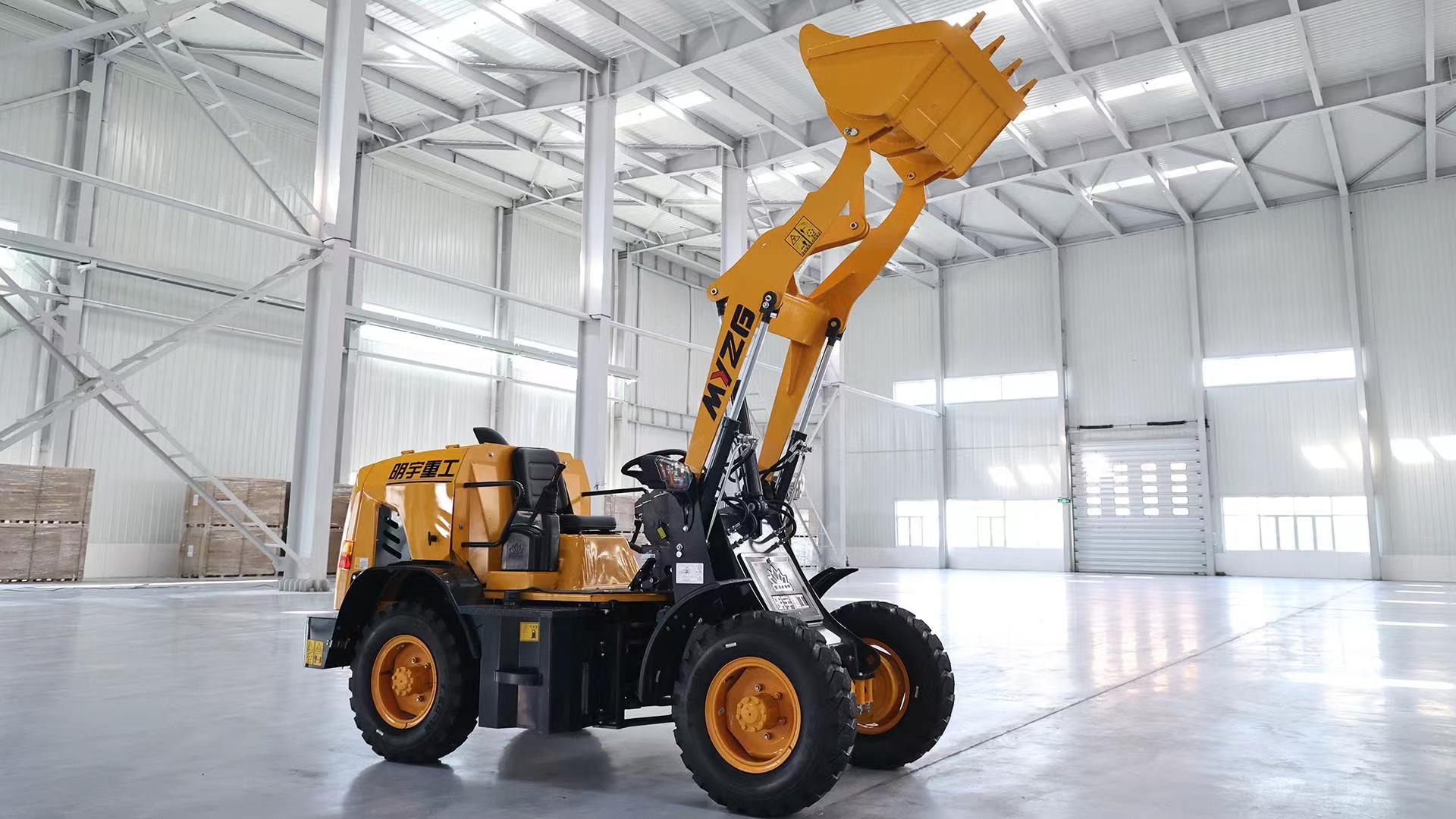
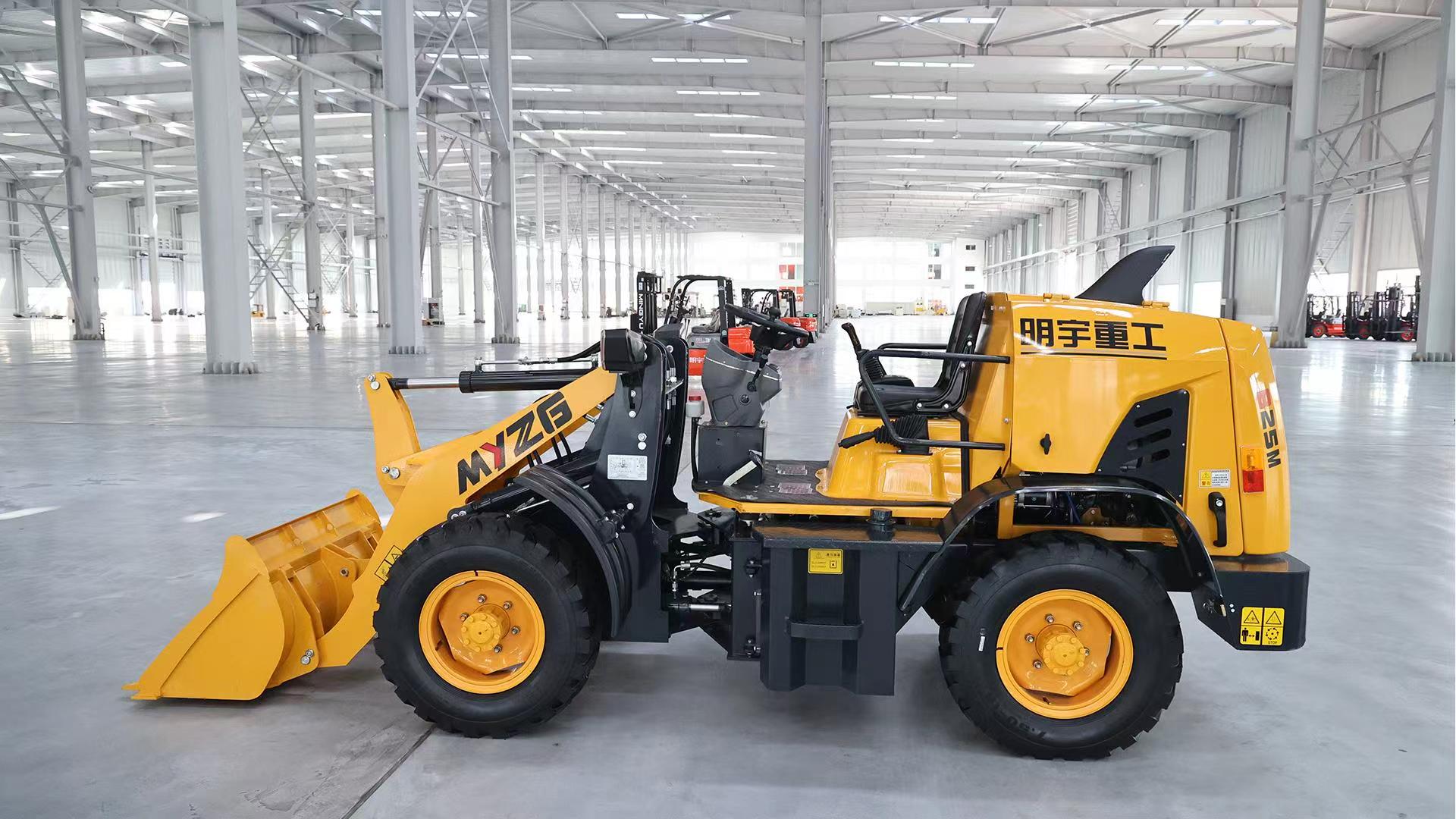
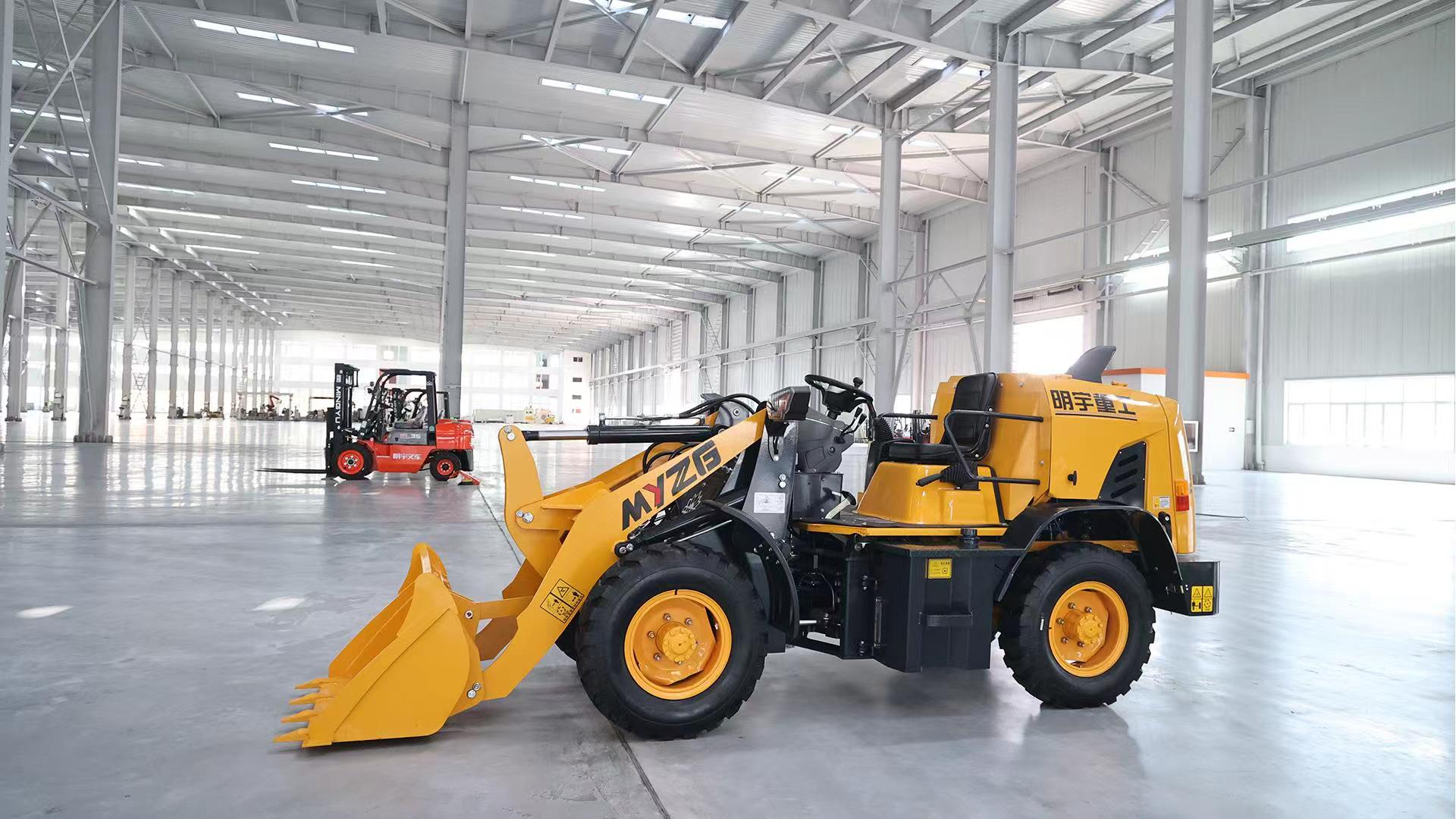
Buckets are by far the most common and essential wheel loader attachments. They are available in several designs depending on the material being handled and the working environment. General-purpose buckets are used for soil, sand, and gravel, while light-material buckets are designed for low-density materials such as snow, wood chips, and grain. Heavy-duty rock buckets feature reinforced structures and wear-resistant cutting edges for mining and quarry applications. High-dump buckets provide increased dumping height for loading high-sided trucks, while multi-purpose (4-in-1) buckets combine dozing, loading, clamping, and grading functions into a single attachment, making them ideal for small construction and landscaping projects.
Fork attachments are another highly common option, especially in logistics yards, ports, and industrial plants. Pallet forks allow wheel loaders to handle palletized goods much like a forklift, but with greater reach and lifting capacity. Lumber forks are designed for long timber and boards, while pipe forks provide stability when transporting cylindrical loads. Fork attachments extend the usefulness of wheel loaders beyond bulk material handling and into organized storage and transportation tasks. However, operators must consider load center distance, machine stability, and visibility when using forks, as loads are often raised higher than with buckets.
Grapples and clamp attachments are widely used in forestry, scrap yards, waste management, and demolition operations. Log grapples are designed to grasp and transport timber efficiently, while scrap grapples handle irregular metal pieces and demolition debris. Waste grapples assist in sorting recyclable materials, and hydraulic clamp buckets combine bucket capacity with gripping power for loose or awkward loads. These attachments significantly improve productivity by allowing operators to pick up and position materials without manual handling, while also improving safety by reducing ground personnel exposure to hazardous materials.
Snow and ice control attachments play a critical role in regions with cold climates. Snow plows are used for clearing roads, parking lots, and industrial yards, while snow pushers allow for fast relocation of large snow volumes. Snow blowers throw snow away from work areas to prevent buildup, and sanders or spreaders apply salt and grit to improve traction. Wheel loaders equipped with winter attachments are commonly used by municipalities, airports, and industrial facilities, as their power and durability allow them to operate in extreme conditions where smaller equipment may struggle.
Sweeping and cleaning attachments are essential for maintaining clean and safe work environments. Angle brooms and rotary brooms remove dust, dirt, and debris from roads and job sites, while pickup brooms collect material into onboard hoppers for disposal. These attachments are widely used in construction sites, warehouses, ports, and municipal services. Keeping work areas clean improves visibility, reduces equipment wear, and helps organizations comply with environmental and safety regulations by controlling dust and loose debris.
Earthmoving and ground-engaging attachments expand the capabilities of wheel loaders beyond simple loading tasks. Dozer blades allow wheel loaders to perform grading and pushing operations, while rippers and scarifiers break up compacted soil, frozen ground, or asphalt surfaces. Trencher attachments enable the creation of narrow trenches for utility installation without the need for dedicated trenching equipment. These tools allow contractors to complete multiple stages of a project with a single machine, reducing mobilization costs and equipment redundancy.
Specialized attachments are designed for agriculture, recycling, and mining applications. Bale spears, silage buckets, and manure forks support farm operations, while sorting grapples, side-dump buckets, and compaction attachments improve efficiency in recycling plants and waste transfer stations. In mining and quarrying, heavy-duty rock buckets and slag buckets made from wear-resistant steel handle abrasive materials and high impact forces. These specialized tools ensure that wheel loaders can be adapted to niche industries while maintaining high performance and durability.
Choosing the right wheel loader attachment requires careful consideration of machine compatibility, hydraulic flow, working environment, and specific job tasks. Operators must also follow safety guidelines, ensuring attachments are properly installed and loads remain within rated capacities. Regular maintenance such as lubrication, inspection of wear parts, and correct storage extends attachment service life and reduces downtime. As technology advances, future attachments will incorporate sensors, automation, and quick-coupler systems to further improve efficiency and versatility. Ultimately, wheel loader attachments are what transform a basic machine into a flexible, high-value asset for modern industry.
Post time:Mar.03.2026
