
What Is a Wheel Loader Used For? A Complete Guide
1. Introduction
A wheel loader is one of the most versatile and widely used pieces of heavy equipment across multiple industries. From construction sites to farms and mining operations, this powerful machine plays a crucial role in handling materials efficiently and safely.
But what exactly is a wheel loader used for? In simple terms, it is designed to scoop, lift, move, and load materials such as soil, sand, gravel, and debris. Thanks to its flexibility and ability to use different attachments, a wheel loader can perform a wide range of tasks beyond basic loading.
In this guide, we’ll explore the key uses, advantages, and applications of wheel loaders, helping you understand why they are essential in modern operations.
2. What Is a Wheel Loader?
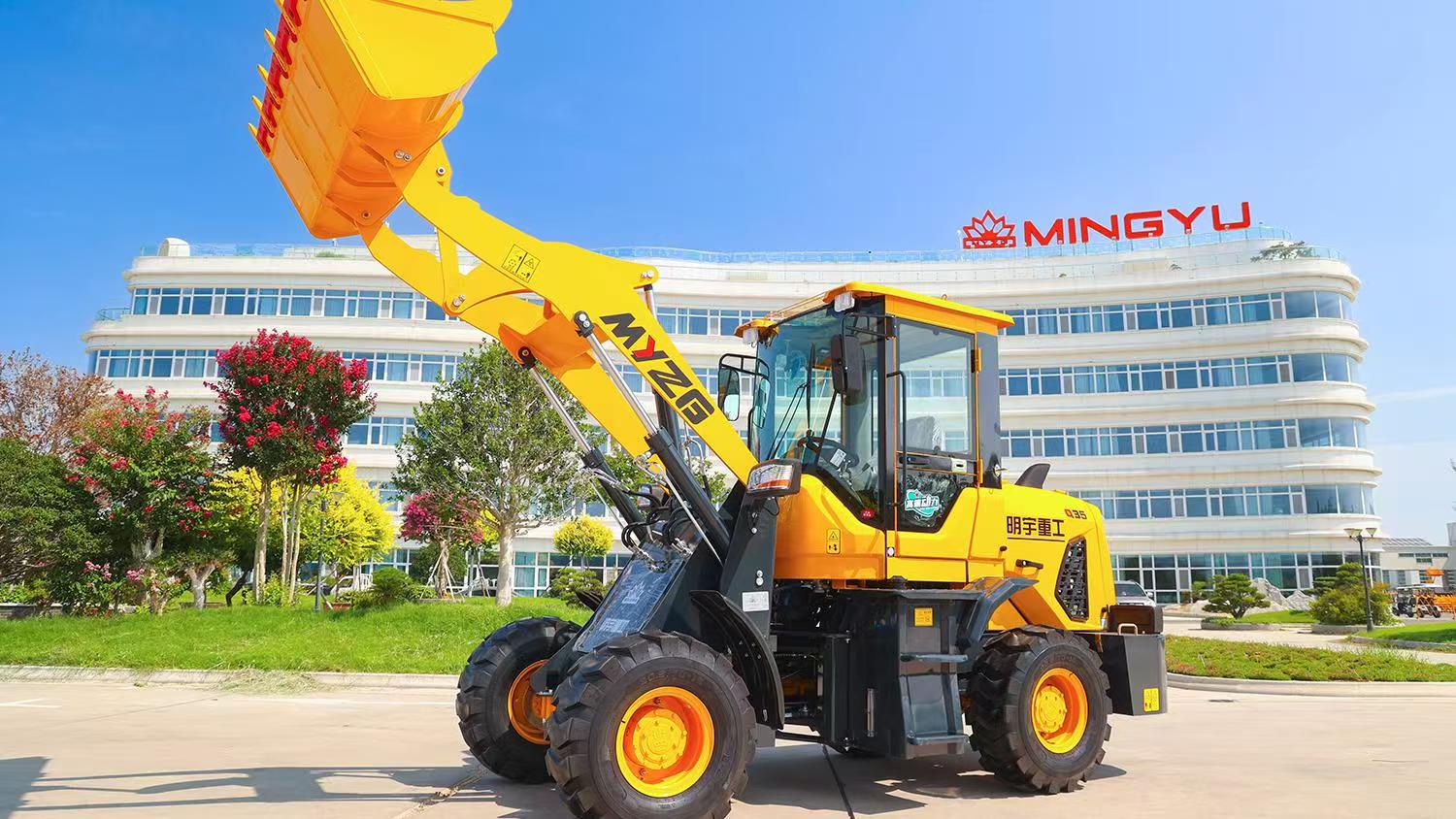
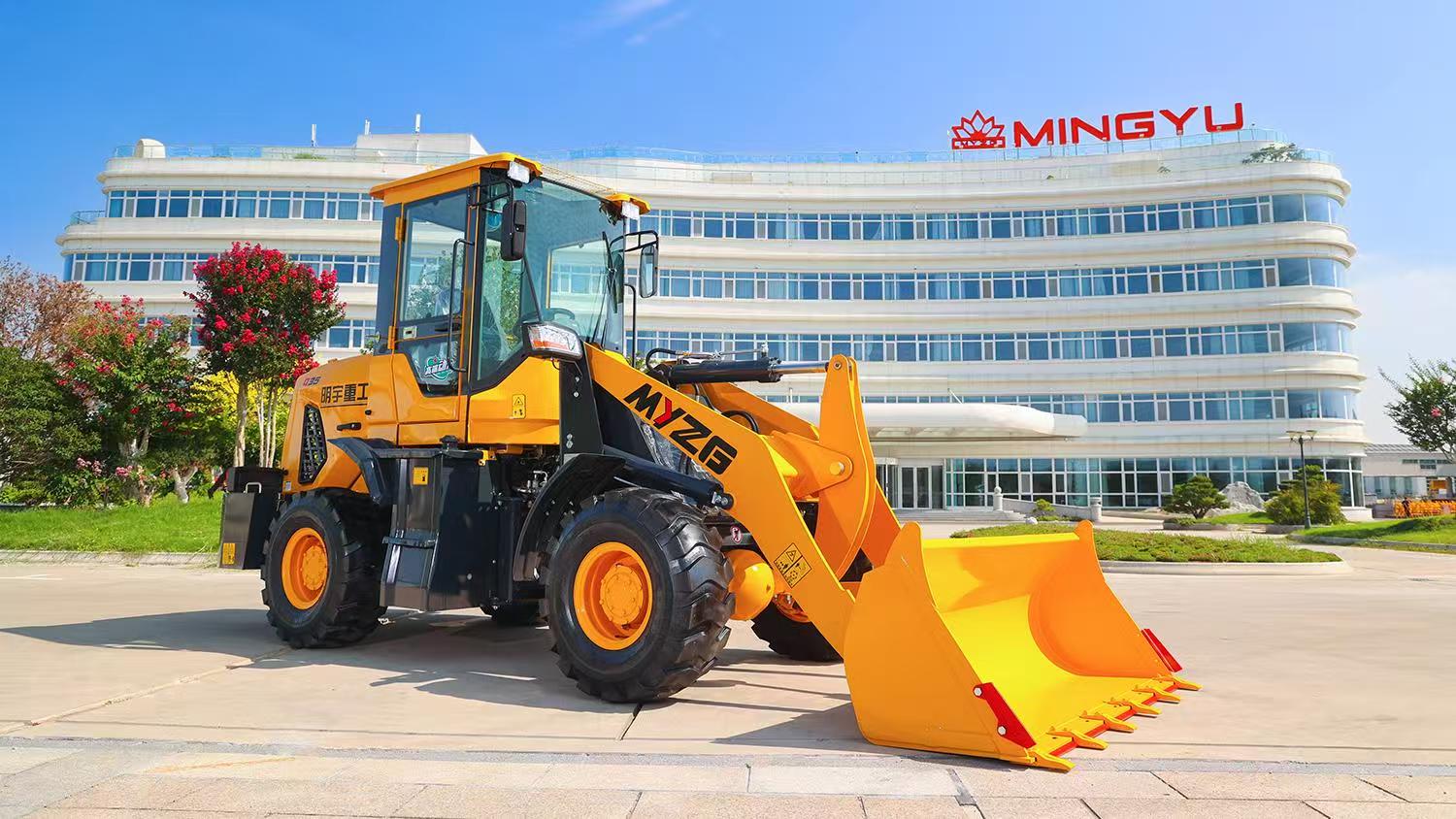
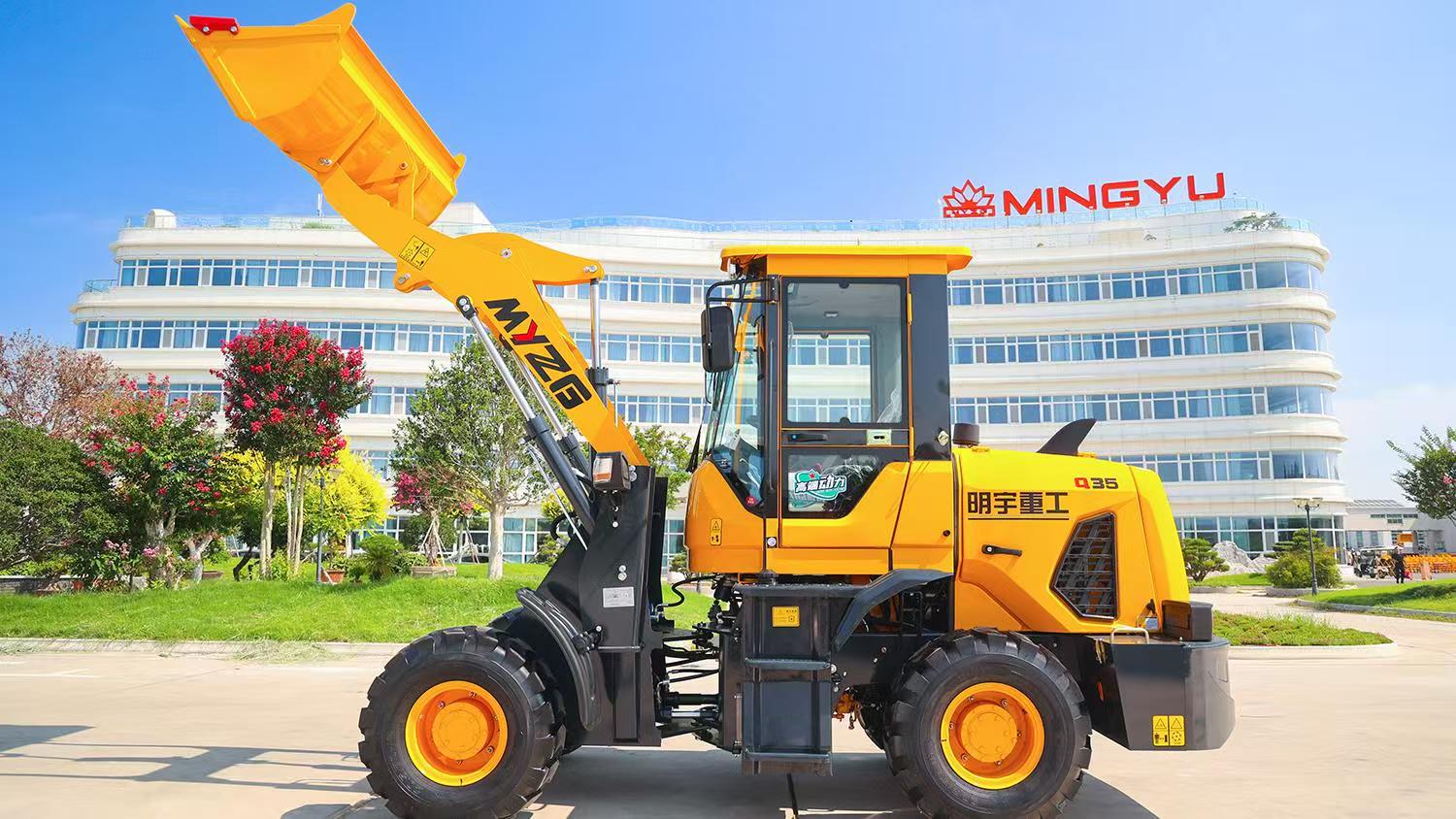
A wheel loader (also called a front-end loader) is a type of heavy machinery equipped with a large front-mounted bucket. It runs on four wheels, making it faster and more mobile than tracked equipment.
Key Components:
Engine: Provides the power needed for lifting and moving materials
Bucket: The main attachment used for scooping and loading
Hydraulic System: Controls lifting, tilting, and attachment movement
Tires: Designed for stability and mobility across different terrains
How It Works:
The operator drives the machine forward, lowers the bucket to scoop material, then lifts and transports it to another location—such as a truck or stockpile. The hydraulic system allows precise control, making operations efficient and smooth.
3. Main Uses of a Wheel Loader
3.1 Material Handling
One of the primary uses of a wheel loader is material handling. It is ideal for moving bulk materials quickly and efficiently.
Common materials include:
Sand
Gravel
Soil
Coal
Construction debris
Wheel loaders are often used in warehouses, ports, and storage yards where materials need to be loaded, unloaded, or relocated.
3.2 Construction Projects
In the construction industry, wheel loaders are indispensable. They are used in nearly every stage of a project.
Typical tasks include:
Clearing land and preparing sites
Transporting building materials
Loading trucks with dirt or aggregates
Assisting in road construction
Their speed and flexibility make them perfect for jobs that require constant movement around the site.
3.3 Agriculture Applications
Wheel loaders are also widely used in agriculture due to their versatility. Farmers rely on them for daily operations.
Key uses include:
Handling animal feed and hay
Cleaning barns and removing waste
Loading crops or fertilizers
Moving pallets and supplies
With the right attachments, a wheel loader can replace multiple machines on a farm.
3.4 Mining and Quarrying
In mining and quarry environments, wheel loaders are built to handle heavy-duty tasks.
They are used for:
Loading rocks and minerals
Transporting raw materials
Feeding crushers and processing equipment
Their durability and high lifting capacity make them suitable for harsh and demanding conditions.
3.5 Snow Removal
Wheel loaders are highly effective in snow removal operations, especially in large areas.
They are commonly used to:
Clear roads and highways
Remove snow from parking lots
Maintain airport runways
Compared to smaller machines, wheel loaders can move large volumes of snow quickly, improving efficiency during winter.
4. Common Attachments and Their Uses
One of the biggest advantages of a wheel loader is its ability to use different attachments. This greatly expands its functionality.
Common Attachments:
Standard Bucket: General-purpose material handling
Rock Bucket: Designed for heavy and abrasive materials
High-Capacity Bucket: For moving large volumes of lightweight materials
Pallet Forks: Used for lifting and transporting pallets
Grapples: Ideal for handling logs, scrap, or irregular materials
Snow Blade/Plow: For snow clearing
Auger: Used for drilling holes in the ground
Sweeper: For cleaning roads and surfaces
By switching attachments, a single machine can perform multiple roles, saving both time and money.
5. Advantages of Using a Wheel Loader
5.1 High Mobility
Wheel loaders can travel faster than tracked machines, making them ideal for jobs that require movement across large areas.
5.2 Versatility
With various attachments available, wheel loaders can perform a wide range of tasks, from lifting to cleaning.
5.3 Ease of Operation
Modern wheel loaders are designed with user-friendly controls, making them easier to operate even for less experienced operators.
5.4 Cost Efficiency
Because one machine can handle multiple tasks, businesses can reduce the need for additional equipment.
6. Wheel Loader vs Other Equipment
6.1 Wheel Loader vs Excavator
Wheel Loader: Best for lifting and moving materials quickly
Excavator: Better for digging and trenching
6.2 Wheel Loader vs Skid Steer
Wheel Loader: More powerful and suitable for large-scale operations
Skid Steer: Smaller and better for tight spaces
6.3 Wheel Loader vs Backhoe
Wheel Loader: Focused on loading and transporting
Backhoe: Combines digging and loading capabilities
Choosing the right equipment depends on the specific job requirements.
7. Industries That Rely on Wheel Loaders
Wheel loaders are used across a wide range of industries, including:
Construction: For site preparation and material handling
Agriculture: For daily farm operations
Mining: For heavy-duty material transport
Waste Management: For handling and sorting waste
Logistics and Ports: For loading and unloading cargo
Their adaptability makes them essential in both small and large-scale operations.
8. How to Choose the Right Wheel Loader
Selecting the right wheel loader is critical for efficiency and cost-effectiveness. Here are key factors to consider:
8.1 Load Capacity
Choose a machine that can handle the weight of your materials without overloading.
8.2 Bucket Size
A larger bucket increases productivity but must match the machine’s power.
8.3 Engine Power
Higher horsepower is needed for heavy-duty tasks and challenging terrains.
8.4 Working Conditions
Consider the environment—mud, sand, snow, or rocky terrain all require different specifications.
8.5 Budget and Maintenance
Balance upfront cost with long-term maintenance and fuel efficiency.
9. Safety Tips When Using a Wheel Loader
Operating a wheel loader safely is essential to prevent accidents and ensure efficiency.
Always receive proper training before operating
Perform daily inspections of the machine
Never exceed load limits
Keep a safe distance from other workers
Operate at safe speeds, especially on uneven terrain
Safety should always be a top priority on any job site.
10. Maintenance and Longevity
Regular maintenance is key to keeping a wheel loader running efficiently and extending its lifespan.
Important Maintenance Practices:
Check and change engine oil regularly
Inspect hydraulic systems for leaks
Maintain proper tire pressure
Clean the machine after use
Use high-quality spare parts
Preventive maintenance reduces downtime and avoids costly repairs.
11. Future Trends in Wheel Loaders
The wheel loader industry is evolving with new technologies and environmental considerations.
Key Trends:
Electric Wheel Loaders: Reduced emissions and lower operating costs
Automation: Advanced control systems and semi-autonomous operation
Smart Technology: GPS tracking, diagnostics, and performance monitoring
Improved Fuel Efficiency: More eco-friendly engines
These innovations are making wheel loaders more efficient, sustainable, and easier to operate.
12. Conclusion
Wheel loaders are powerful, versatile machines that play a vital role in industries such as construction, agriculture, mining, and logistics. Their ability to handle a wide range of tasks—from material handling to snow removal—makes them an essential investment for businesses.
With the right attachments and proper maintenance, a wheel loader can significantly improve productivity and reduce operational costs. Whether you’re managing a construction site or running a farm, understanding what a wheel loader is used for helps you make smarter equipment decisions and maximize efficiency.
Post time:Apr.21.2026
