
What is an Electric Stacker? A Complete Guide for Beginners and Businesses
1. Introduction
In modern warehouses, factories, and logistics centers, efficiency and safety are more important than ever. As businesses grow and handling materials becomes more complex, specialized equipment is needed to move goods quickly and safely. One of the most widely used tools in this space is the electric stacker.
Electric stackers are compact, efficient, and easy-to-use lifting machines designed for stacking, transporting, and organizing palletized goods. They are especially popular in small to medium-sized warehouses where full-size forklifts may be too large or expensive.
This guide explains everything you need to know about electric stackers, including how they work, their types, advantages, limitations, and how to choose the right one for your business.
2. What Is an Electric Stacker?
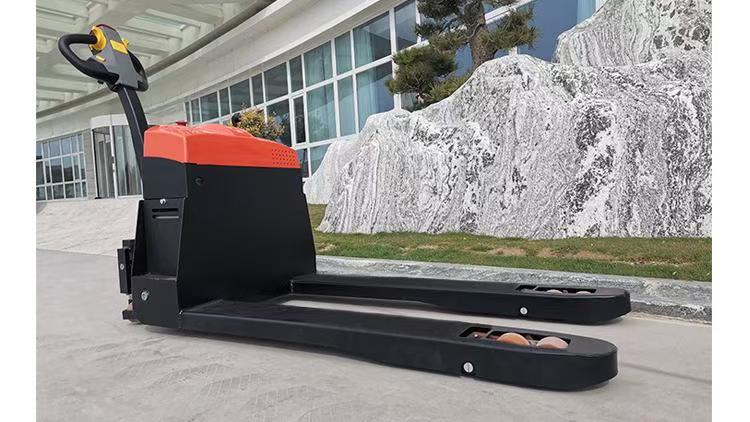
An electric stacker is a type of material handling equipment designed to lift and move palletized loads using an electric motor. It is commonly used for stacking goods at medium heights and transporting them over short distances.
Unlike traditional forklifts, electric stackers are more compact and operate primarily in indoor environments such as warehouses, retail storage rooms, and distribution centers.
In simple terms, an electric stacker is a hybrid between a pallet truck and a forklift, offering lifting capabilities without the bulk and cost of larger machines.
They are widely used in industries where space is limited and efficiency is essential.
3. How an Electric Stacker Works
Electric stackers operate using a combination of electrical energy and hydraulic systems.
The basic working process includes:
The operator uses a control handle or panel to activate the machine
The electric motor powers a hydraulic pump
The hydraulic system lifts or lowers the forks
The forks support and move the palletized load
Most models are powered by rechargeable batteries, typically lead-acid or lithium-ion. These batteries provide enough energy for several hours of continuous operation in a warehouse environment.
4. Main Components of an Electric Stacker
Electric stackers are composed of several key parts that work together for smooth operation:
Mast system – the vertical structure that allows lifting and lowering
Forks – the metal arms that carry pallets
Control handle – used for steering and operation
Battery unit – powers the electric motor
Hydraulic system – controls lifting force
Wheels and chassis – provide stability and movement
Each component plays an essential role in ensuring safe and efficient operation.
5. Types of Electric Stackers
There are several types of electric stackers designed for different working environments:
Walk-Behind Electric Stackers
The operator walks behind the machine and controls it using a handle. These are ideal for small warehouses.
Ride-On Stackers
The operator stands or sits on a platform, making them suitable for longer distances and larger facilities.
Semi-Electric Stackers
These use electric power for lifting but manual effort for movement. They are cost-effective solutions for light-duty work.
Counterbalanced Stackers
These do not require support legs at the front, allowing them to handle different types of pallets.
Narrow Aisle Stackers
Designed for tight warehouse spaces, offering high maneuverability.
6. Key Features and Functions
Electric stackers are designed to improve efficiency in material handling. Their main features include:
Ability to lift and lower heavy loads
Load capacity ranging from 1000 kg to 2000+ kg depending on model
Lift heights from 1.6 meters up to 5 meters or more
Compact design for narrow aisles
Smooth electric operation with minimal noise
Built-in safety systems such as emergency stop and overload protection
7. Advantages of Electric Stackers
Environmentally Friendly
Electric stackers produce zero emissions, making them suitable for indoor environments.
Low Noise Operation
They operate quietly compared to diesel or gas-powered equipment.
Cost Efficiency
Lower fuel and maintenance costs make them economical in the long run.
Easy to Operate
Most models require minimal training compared to forklifts.
Improved Safety
Built-in safety features reduce workplace accidents.
Compact Design
Ideal for warehouses with limited space.
8. Limitations of Electric Stackers
Despite their benefits, electric stackers also have some limitations:
Lower load capacity compared to forklifts
Not suitable for outdoor rough terrain
Limited speed and travel distance
Dependence on battery charging
Not ideal for very heavy industrial loads
Understanding these limitations helps businesses choose the right equipment.
9. Electric Stacker vs Forklift vs Pallet Truck
Electric Stacker
Medium lifting height
Moderate load capacity
Compact and affordable
Forklift
High load capacity
Suitable for heavy-duty outdoor and indoor use
More expensive and requires certification
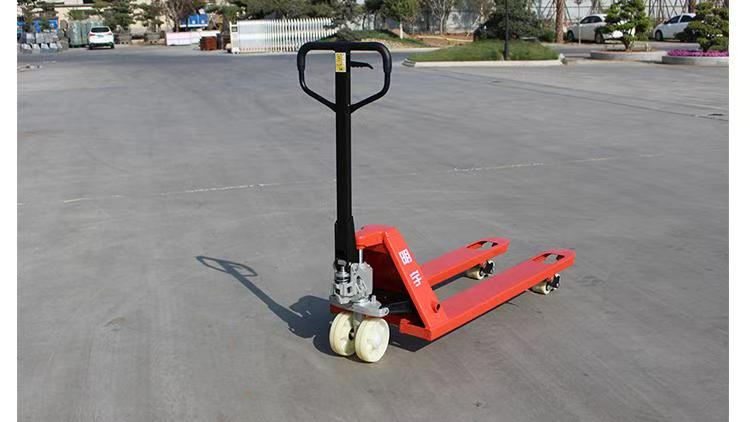
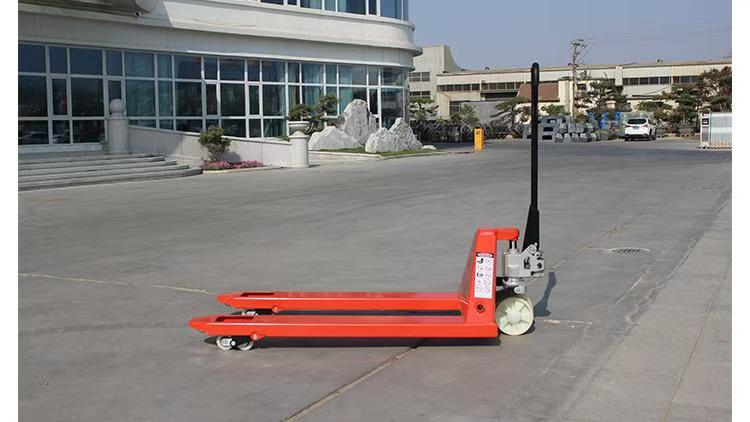
Pallet Truck
Basic horizontal movement only
No or limited lifting capability
Lowest cost option
Choosing between them depends on workload, space, and budget requirements.
10. Applications of Electric Stackers
Electric stackers are used in many industries, including:
Warehousing and logistics centers
Retail and supermarkets
Manufacturing plants
Cold storage facilities
Food and beverage industry
Small distribution businesses
They are especially useful where frequent pallet movement and stacking are required.
11. How to Operate an Electric Stacker Safely
Safety is essential when using any material handling equipment.
Basic operation steps include:
Inspect the machine before use
Ensure battery is fully charged
Check load weight and stability
Position forks correctly under the pallet
Lift slowly and steadily
Move at safe speed
Common safety rules:
Never exceed load capacity
Avoid sudden movements
Keep clear visibility while operating
Do not carry unstable loads
12. Maintenance and Battery Care
Proper maintenance ensures long equipment life and safe operation.
Daily Maintenance
Check for visible damage
Inspect forks and wheels
Ensure hydraulic system is functioning
Battery Care
Charge regularly, avoid deep discharge
Use correct charging equipment
Keep battery terminals clean
General Maintenance
Lubricate moving parts
Inspect hydraulic oil levels
Replace worn components promptly
13. How to Choose the Right Electric Stacker
When selecting an electric stacker, consider:
Required load capacity
Maximum lifting height
Warehouse size and layout
Frequency of use
Battery type (lead-acid vs lithium-ion)
Budget and brand reliability
Choosing the right model improves productivity and reduces operational costs.
14. Market Trends and Future Development
The electric stacker industry continues to evolve with new technologies:
Growth of lithium-ion battery systems for faster charging
Increased automation and smart warehouse integration
Development of compact high-performance models
Expansion of e-commerce logistics driving demand
Integration with digital fleet management systems
These trends are making electric stackers more efficient and intelligent.
15. Conclusion
Electric stackers are essential tools in modern material handling operations. They provide a cost-effective, efficient, and safe way to move and stack goods in warehouses and industrial environments.
Compared to forklifts, they are more compact and affordable, making them ideal for small and medium-sized businesses. With advancements in battery technology and automation, electric stackers are becoming even more powerful and intelligent.
Whether you are managing a warehouse or planning to invest in logistics equipment, understanding electric stackers can help you improve productivity and optimize operations effectively.
Post time:Apr.20.2026
