
How to Use a Backhoe?
1. Introduction
A backhoe is one of the most versatile and widely used pieces of heavy equipment in construction, agriculture, and infrastructure projects. It combines two machines in one: a front loader for moving materials and a rear digging arm for excavation work. Because of this dual-function design, it is often the preferred choice for contractors who need efficiency and flexibility on job sites.
Learning how to use a backhoe properly is essential not only for productivity but also for safety. Incorrect operation can lead to equipment damage, job delays, or serious accidents. Whether you are a beginner operator or someone looking to refresh your knowledge, understanding the correct operating procedures will help you work more confidently and efficiently.
In this guide, we will walk through everything you need to know—from machine basics and safety checks to step-by-step operating techniques for both digging and loading functions.
2. What Is a Backhoe?
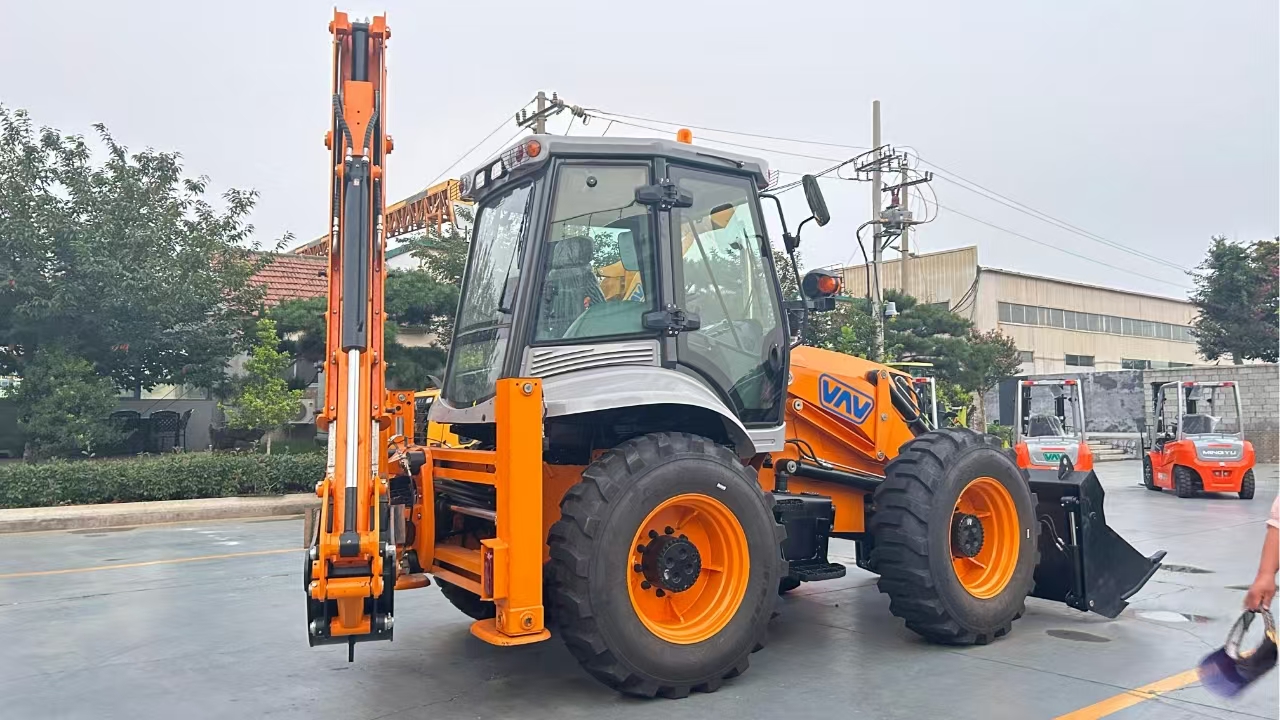
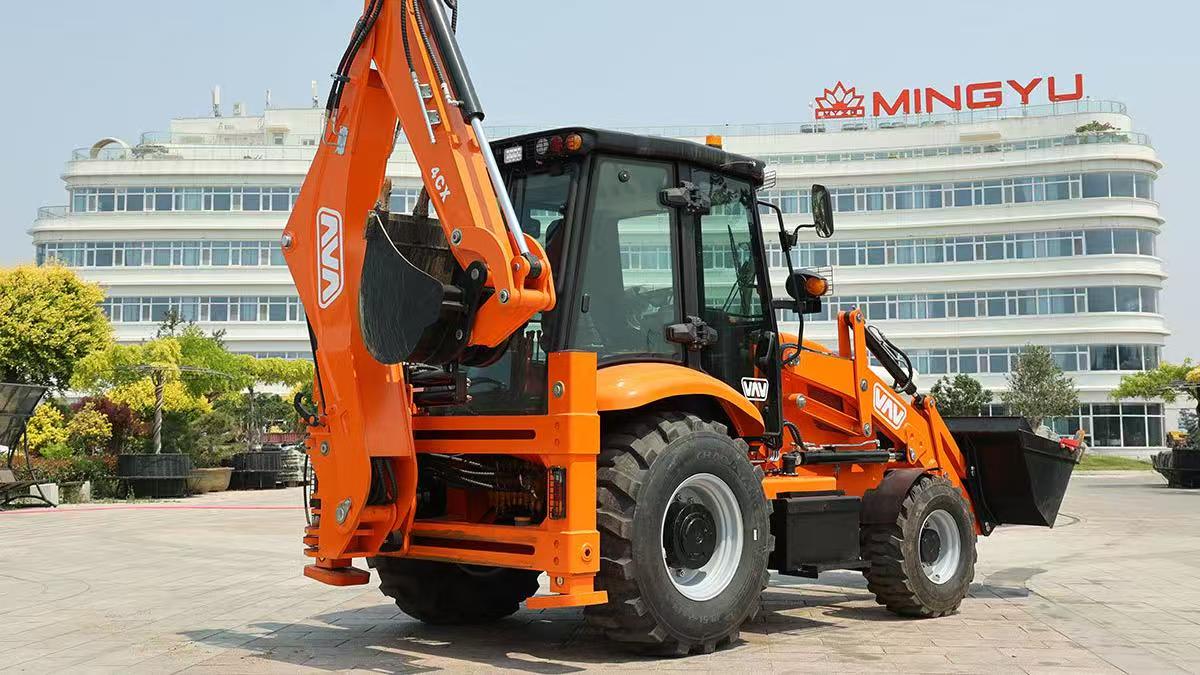
A backhoe loader is a heavy-duty machine equipped with a front bucket and a rear digging arm. It is commonly used for excavation, material handling, and site preparation.
Main components:
Front loader bucket: Used for lifting, carrying, and loading materials
Rear digging arm (backhoe): Used for digging trenches and excavation
Hydraulic system: Powers all movements of the machine
Engine: Provides overall machine power
Operator cab: Controls all machine functions
Backhoe vs Excavator vs Loader:
Backhoe: Combines digging and loading functions
Excavator: Specialized for deep digging and heavy excavation
Loader: Focused mainly on material handling
3. Safety Requirements Before Operating a Backhoe
Safety is the most important step before operating any heavy machine.
Key safety steps:
Complete operator training and certification
Wear PPE (helmet, gloves, boots, high-visibility vest)
Inspect machine before use
Check for leaks, tire condition, and hydraulic systems
Ensure work area is clear of people and obstacles
Identify underground utilities before digging
4. Controls and Basic Functions
Understanding the controls is essential for smooth operation.
Main controls:
Steering wheel for movement
Pedals for speed and braking
Loader joystick (front bucket control)
Backhoe levers (boom, stick, bucket, swing)
Hydraulic controls for attachments
Beginners should practice slowly in an open area before working on real job sites.
5. How to Start and Prepare the Machine
Before operating, proper preparation is required.
Steps:
Check engine oil, fuel, and hydraulic fluid
Inspect tires or tracks
Enter cab safely using handrails
Fasten seatbelt
Start engine and allow warm-up
Check dashboard warning lights
Lower stabilizers (outriggers) for stability
Proper setup ensures safe and stable operation.
6. How to Operate the Front Loader Bucket
The front bucket is used for lifting and transporting materials.
Steps:
Drive forward toward material pile
Lower bucket to ground level
Push into material using machine power
Lift bucket slowly while reversing
Transport load carefully
Dump material into truck or pile
Use bucket for leveling ground when needed
Avoid overloading, as it affects stability.
7. How to Operate the Backhoe (Digging Arm)
The backhoe is used for excavation and trenching.
Steps:
Position machine with rear facing work area
Lower stabilizers for balance
Extend boom toward digging area
Use stick and bucket to dig into soil
Pull material toward machine
Swing arm to dump soil to side
Repeat in controlled cycles
Key techniques:
Keep digging area within reach
Avoid swinging too fast
Maintain stable ground conditions
8. Common Backhoe Operations
Backhoes are used in many real-world applications:
Digging trenches for pipelines and cables
Excavating foundations for buildings
Loading trucks with soil or gravel
Landscaping and grading work
Demolition of small structures
Utility repair and maintenance
9. Advanced Operating Techniques
Experienced operators use advanced methods to improve efficiency.
Techniques include:
Working on slopes safely by maintaining balance
Optimizing digging cycles for faster output
Precision trenching for utilities
Deep excavation using layered digging
Adjusting technique for different soil types (clay, sand, rock)
Efficiency improves with experience and practice.
10. Attachments and Their Uses
Backhoes can use multiple attachments:
Auger: Drilling holes for poles or foundations
Hydraulic breaker: Breaking concrete or rock
Grapple: Handling logs or debris
Different bucket types: Narrow, wide, or heavy-duty
Quick coupler: Fast switching between tools
Attachments greatly expand machine capability.
11. Maintenance and Daily Care
Proper maintenance ensures long machine life.
Daily checks:
Inspect hydraulic hoses
Check oil and coolant levels
Clean dirt and debris
Grease joints and moving parts
Inspect tires and bucket wear
Look for leaks or damage
Preventive maintenance reduces breakdowns and repair costs.
12. Safety Tips While Operating
Safety must always come first.
Avoid working near unstable ground
Do not exceed load capacity
Keep distance from underground utilities
Use signals when working with a team
Never operate without visibility
Shut down machine during maintenance
13. Common Mistakes to Avoid
Beginners often make avoidable errors:
Overloading the bucket
Improper machine positioning
Ignoring site hazards
Swinging too fast with backhoe arm
Skipping daily inspection
Operating without proper training
Avoiding these mistakes improves safety and efficiency.
14. Choosing the Right Backhoe for the Job
Different projects require different machines.
Key factors:
Digging depth and reach
Engine power and hydraulic strength
Bucket size
Terrain conditions
Fuel efficiency
Maintenance availability
Choosing the right model improves productivity significantly.
15. Industry Applications of Backhoes
Backhoes are used across many industries:
Construction projects
Road building and maintenance
Agriculture and farm work
Utility installation (water, gas, electricity)
Municipal services
Small demolition work
Their flexibility makes them a highly valuable investment.
16. Conclusion
Learning how to use a backhoe correctly requires understanding both its structure and operating techniques. From safety preparation and machine controls to digging and loading operations, every step plays an important role in ensuring efficiency and safety on the job site.
With proper training, regular maintenance, and correct operating habits, a backhoe becomes one of the most productive machines in any work environment. Whether you are working in construction, agriculture, or utilities, mastering this equipment can significantly improve your operational capability and job performance.
Post time:Apr.21.2026
