
For contractors, farmers, and serious DIY enthusiasts, the decision to rent or buy a skid steer loader is a significant financial and operational crossroads, especially when tackling small to medium-sized projects. The versatility of a skid steer is undeniable; with a range of attachments, it can dig, grade, lift, and haul, making it a powerhouse on any job site. When facing a single, well-defined project like a one-time backyard landscaping overhaul or a short-term excavation job, the scales often tip heavily in favor of renting. The primary advantage is financial accessibility. Purchasing a new skid steer represents a substantial capital outlay, often ranging from $25,000 to $50,000 for a basic model, not including the significant additional cost of essential attachments. Renting, conversely, provides immediate access to this powerful equipment for a fraction of the price—typically a few hundred dollars per day or a thousand per week. This approach eliminates a major long-term financial commitment, freeing up capital for other business expenses or project components. Furthermore, rental companies usually offer well-maintained, late-model machines, ensuring reliability without burdening the user with scheduled maintenance, storage concerns, or unexpected repair costs. The flexibility to select the perfect model and size for a specific task's unique demands—such as compact models for tight access or machines with high-flow hydraulics for demanding attachments—is another significant benefit of renting. For projects with a clear, short duration and no foreseeable recurring need, renting a skid steer loader emerges as the most economically prudent and logistically straightforward choice, delivering maximum utility with minimal long-term entanglement and risk.
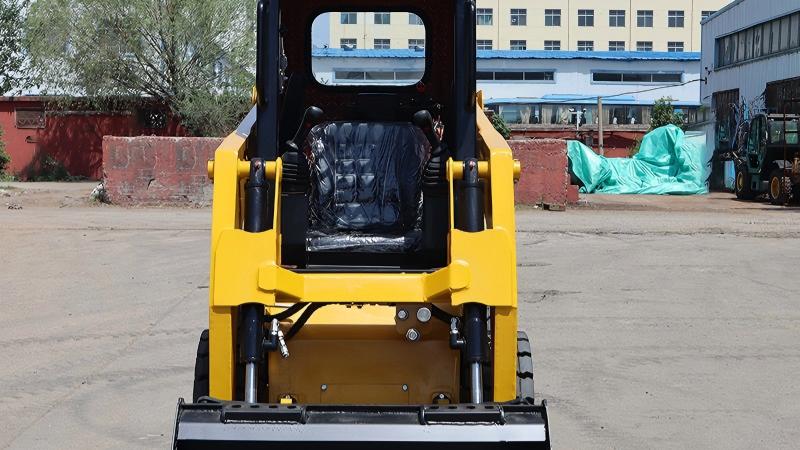
However, the argument for purchasing a skid steer loader becomes compelling when "small projects" translate into a continuous, ongoing series of tasks. For a small business specializing in landscaping, site preparation, or property maintenance, the cumulative rental fees over a single busy season can quickly approach, or even surpass, the annual cost of financing a new or quality used machine. In this scenario, ownership transforms the skid steer from a recurring project expense into a depreciable capital asset, offering potential tax advantages alongside its functional utility. The most significant operational benefit of ownership is the guarantee of immediate and unlimited availability. There is no need to plan workflows around rental agency hours, coordinate pickups and returns, or stress about costly hourly overage charges. The machine is ready to deploy at a moment's notice, which is invaluable for urgent jobs, last-minute client requests, or for handling daily chores around a farm or workshop. This constant access fosters unparalleled efficiency, allowing the owner to utilize the machine for small, impromptu tasks that would be impractical and expensive to rent for, such as moving a pile of dirt, clearing snow, or unloading heavy materials from a delivery truck. Over a period of several years, the cost-per-hour of using an owned skid steer loader plummets compared to the perpetual cycle of rental payments. For any entity with a predictable and steady workflow, the initial investment is amortized over countless hours of operation, making ownership the most cost-effective and strategically autonomous solution in the long run. The key determinant, therefore, shifts from project cost to frequency of use.
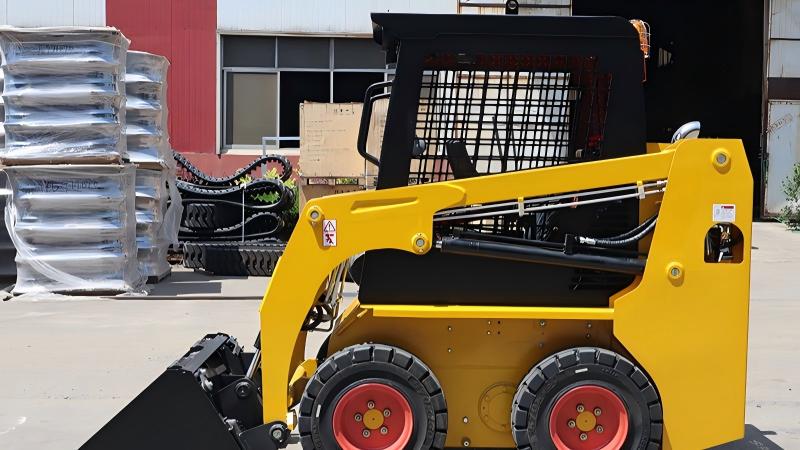
A thorough financial analysis that looks beyond the initial sticker price is crucial for making an informed rent-or-buy decision. The true cost of ownership extends far beyond the monthly loan payment. Prospective buyers must diligently account for ongoing expenses such as insurance to protect the asset, and storage, which requires a secure, covered space to shield the machine from the elements and prevent premature wear. Maintenance constitutes another significant and recurring cost category; ownership demands a strict regimen of engine oil changes, hydraulic filter replacements, grease services, and tire or track care. While modern skid steers are robust, unexpected breakdowns are inevitable, leading to costly repairs and, critically, operational downtime where the machine generates no revenue while still incurring loan payments. In stark contrast, when renting, the rental agency absorbs all risks and costs associated with maintenance and unscheduled repairs; their responsibility is to provide a working machine, minimizing your downtime. Nevertheless, renters must be vigilant in understanding the rental agreement's fine print, including policies on damage, fuel charges, and cleaning fees. For the owner, a potential upside is the machine's residual value; a well-maintained skid steer loader can retain a significant portion of its value, acting as a recoverable asset that can be sold later to offset the initial investment. This complex decision matrix must integrate these often-hidden costs of ownership against the premium paid for the convenience and risk-transfer inherent in renting.
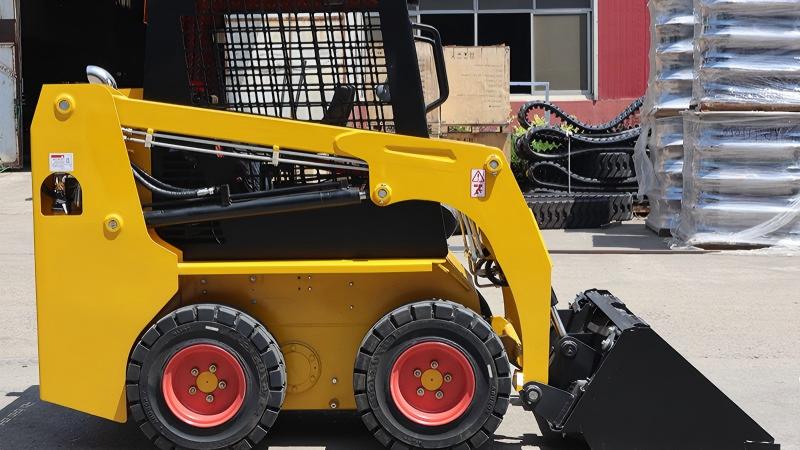
Ultimately, the choice between renting and buying a skid steer loader for small projects is a strategic decision that requires a nuanced evaluation of individual circumstances, with no universal answer. The project's specific nature, timeline, and anticipated frequency of use are the primary guiding factors. Before deciding, conduct a thorough audit of your expected equipment needs over the next one to three years. If usage will be sporadic, characterized by distinct, short-duration projects with long gaps in between, the flexibility and lower short-term cash outflow of renting are undeniable. Conversely, if the skid steer loader will be a regularly deployed workhorse, integral to daily or weekly operations, then the long-term economics and convenience of ownership become overwhelmingly compelling. A hybrid approach can also be a wise strategy for many businesses; a company that owns a standard skid steer might opt to rent a specialized model with a specific, rarely-needed attachment for a unique project, thus avoiding the substantial cost of purchasing that accessory. In conclusion, renting offers a low-commitment pathway to high-level capability for isolated projects, while buying represents a strategic investment in operational autonomy and long-term cost efficiency for sustained, frequent use. Carefully projecting your needs and running a detailed cost-benefit analysis is the only reliable way to determine the optimal path for your specific situation and financial landscape.
Post time:Dec.01.2025
