
The construction equipment market continues to feature backhoe loaders as one of the most readily available and versatile machinery options for contractors worldwide. Manufacturers like Caterpillar, John Deere, and JCB maintain robust production lines and global distribution networks, ensuring new models are accessible through authorized dealers. The used equipment market further enhances availability, offering numerous options from recent models to well-maintained older units. This widespread availability stems from the machine's fundamental design that combines the capabilities of a tractor loader and an excavator in a single unit. The front loader bucket handles material moving and loading tasks, while the rear excavator arm manages digging and trenching work. This dual functionality makes it indispensable for various applications including site preparation, utility work, landscaping, and road maintenance. The consistent demand across multiple sectors including construction, agriculture, and municipal work guarantees that backhoe loaders remain a staple product for equipment manufacturers and dealers. Whether through purchase, lease, or rental arrangements, contractors can typically source these machines with minimal difficulty, supported by extensive dealer networks that provide parts availability and service support. The machine's modular design also allows for customization with various attachments and buckets, further enhancing its utility across different job requirements and site conditions.
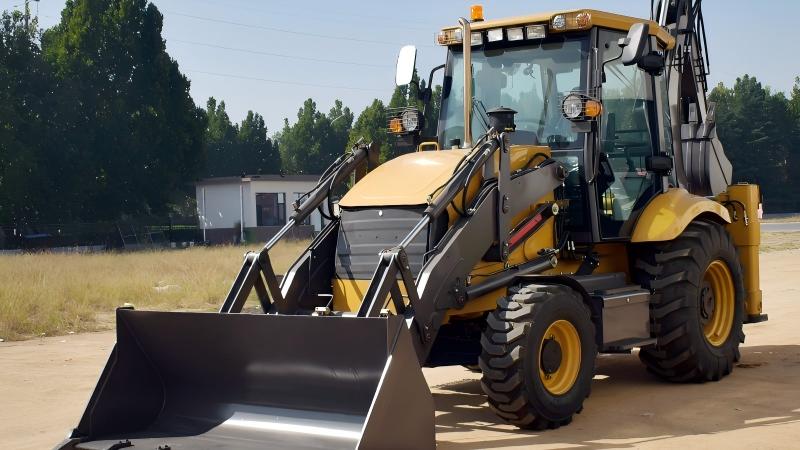
Evaluating whether a backhoe loader represents a worthwhile investment requires careful analysis of both its capabilities and financial implications. The initial acquisition cost represents a significant consideration, with new machines ranging from $70,000 to $150,000 depending on specifications, while quality used models can be obtained for $30,000 to $80,000. Beyond purchase price, operators must factor in ongoing expenses including fuel consumption, routine maintenance, insurance, and potential repair costs. The investment justification primarily lies in the machine's remarkable versatility and productivity. By combining multiple functions in one unit, it eliminates the need for separate dedicated machines for loading and excavation work. This multi-function capability translates into substantial cost savings through reduced equipment investments, lower transportation costs for moving multiple machines between sites, and decreased labor requirements since a single operator can perform multiple tasks. The return on investment becomes particularly evident in applications involving medium-scale earthmoving, utility installation, and general construction tasks where the machine's dual functionality can be fully utilized. For contractors handling diverse projects, the ability to quickly switch between loader and excavator functions without changing equipment significantly enhances job site efficiency and project scheduling flexibility.

The operational advantages of backhoe loaders extend beyond mere versatility to include practical job site benefits that directly impact project efficiency and profitability. Their relatively compact size compared to separate loaders and excavators makes them ideal for confined urban job sites and residential projects where space constraints limit larger equipment deployment. The standardized controls and familiar operation reduce operator training requirements, while excellent visibility and maneuverability contribute to both productivity and safety. Modern models incorporate advanced features including climate-controlled cabs, joystick controls, and integrated technology systems that further enhance operator comfort and efficiency. From a maintenance perspective, the widespread use of these machines means most repair shops are familiar with their systems, and parts remain readily available even for older models. The machine's design simplicity compared to more specialized equipment often results in lower repair costs and reduced downtime. For small to medium-sized contractors, these operational factors combine to create a compelling case for ownership, particularly when the machine can be utilized across multiple projects with minimal idle time between jobs. The ability to handle numerous tasks without equipment changes also reduces project complexity and simplifies job site management.
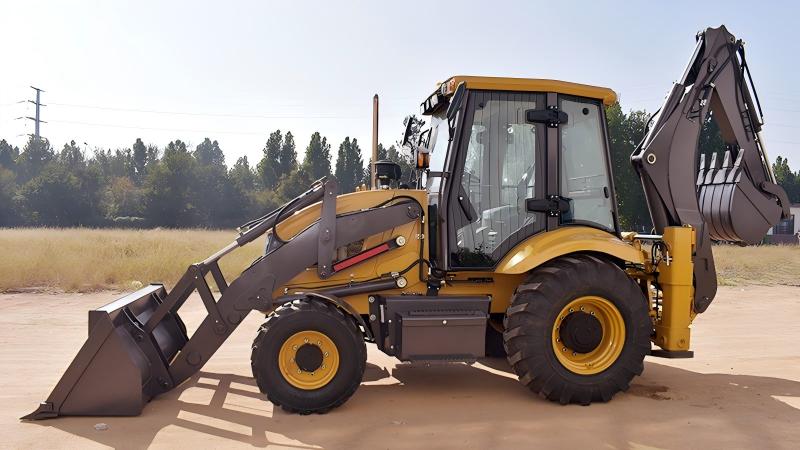
In conclusion, backhoe loaders maintain their position as a valuable investment for many construction and contracting businesses, provided they match the specific operational needs and project profiles of the user. Their widespread availability through both new and used equipment channels makes acquisition straightforward, while their proven design and manufacturer support ensure long-term reliability. The investment proves most justified for contractors requiring a single machine capable of performing multiple functions across varied projects, particularly in scenarios where equipment transportation costs or space limitations present significant challenges. Companies with specialized, high-volume earthmoving needs might find dedicated excavators and loaders more efficient, but for general construction, utility work, and diversified contracting operations, the backhoe loader's combination of versatility, operational efficiency, and cost-effectiveness remains unmatched. As equipment technology continues to evolve with improved fuel efficiency, enhanced operator comforts, and advanced control systems, these machines are likely to maintain their relevance in the construction equipment landscape for the foreseeable future.
Post time:Dec.01.2025
