
How Much Does a New 5-Ton Diesel Wheel Loader Cost in 2026?
1. Introduction
A 5-ton diesel wheel loader is a versatile, mid-sized machine widely used in construction, agriculture, quarries, and industrial operations. It provides the perfect balance of power, maneuverability, and cost-efficiency for medium-scale projects. In 2026, the purchase of a new wheel loader requires more than just checking the price tag. With rapid advancements in engine technology, telematics, operator comfort, and environmental compliance, the cost can vary significantly depending on features, attachments, brand, and location. This article will explore these factors in depth to help you make an informed decision when buying a 5-ton diesel wheel loader.
2. The Growing Demand for Mid-Sized Wheel Loaders
The demand for mid-sized loaders, particularly the 5-ton category, has increased globally due to expanding construction and infrastructure projects. Countries such as India, Brazil, and regions in Southeast Asia are experiencing a surge in construction activity, driving demand for reliable, fuel-efficient loaders. Even in developed markets like North America and Europe, there is steady demand for medium-sized loaders that balance efficiency with operational flexibility. This rising demand contributes to a slightly higher price point in some regions, as manufacturers adjust production to meet needs while integrating advanced features.
3. Brand Reputation and Its Impact on Price
One of the most significant factors influencing the cost of a 5-ton diesel wheel loader is the manufacturer. Top international brands such as Caterpillar, Volvo, Komatsu, and John Deere are priced higher due to proven reliability, extensive service networks, and superior engineering. These brands often provide longer warranties, better parts availability, and integrated technology features, which contribute to higher upfront costs but reduce long-term maintenance and downtime. On the other hand, regional manufacturers in Asia and Eastern Europe can offer more affordable models, but buyers should carefully assess after-sales support and reliability before purchase.
4. Engine Specifications and Emission Standards
The engine is the heart of any wheel loader. In 2026, diesel remains the preferred power source for 5-ton loaders due to its high torque and fuel efficiency. Engine power, torque, and fuel economy all affect price, with high-performance models costing more. Additionally, compliance with emission standards such as Tier 4 (U.S.) and Stage V (Europe) has increased production costs, as these engines include additional features like diesel particulate filters (DPF) and selective catalytic reduction (SCR) systems. While engines meeting these standards are more expensive, they often provide lower fuel costs and ensure regulatory compliance, making them a smart long-term investment.
5. The Role of Attachments and Configurations
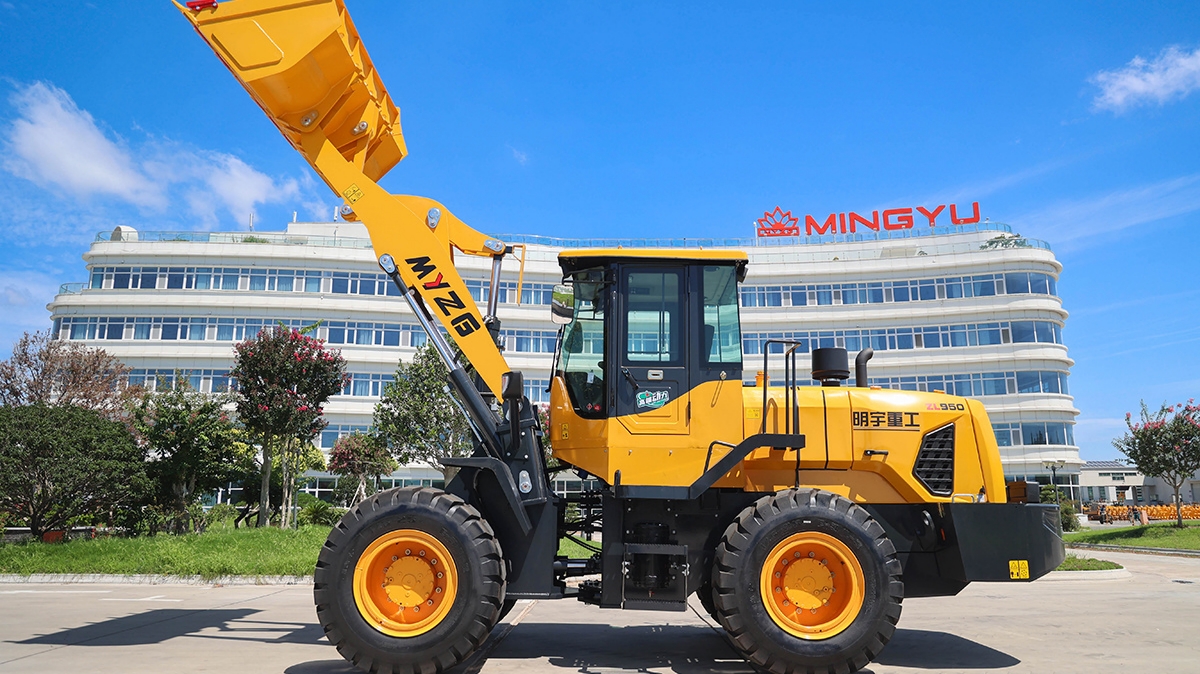
Attachments significantly influence both the versatility and price of a wheel loader. A standard loader bucket comes with most models, but optional attachments such as pallet forks, grapples, multi-purpose buckets, and snow plows can increase functionality and cost. Advanced hydraulic systems enable operators to switch between attachments quickly and perform more precise operations, enhancing productivity. Buyers should assess which attachments they truly need to avoid overspending on features that may see limited use.
6. Technology and Operator Comfort
Modern 5-ton wheel loaders are increasingly equipped with advanced technology. Operator cabins often include air conditioning, ergonomic seating, and adjustable controls to reduce fatigue during long shifts. GPS and telematics systems allow fleet managers to monitor usage, schedule maintenance, and track fuel consumption remotely. Additionally, advanced hydraulic and control systems improve loading speed and precision. While these technologies increase the purchase price, they also enhance efficiency, safety, and operator satisfaction, providing value over time.
7. Regional Market Differences
The price of a 5-ton diesel wheel loader varies significantly across different regions due to shipping costs, import duties, and local demand. Importing a loader from Asia to Europe or North America can add several thousand dollars in freight and customs fees. Local market conditions also play a role; regions with higher construction demand may see slightly elevated prices. Buyers should research local dealers, compare international quotes, and consider the full cost of shipping and taxes to accurately budget for a new loader.
8. Average Price Range of 2026
Based on current market trends, the cost of a new 5-ton diesel wheel loader in 2026 generally falls into three categories. Low-end models, typically from local manufacturers, range from $30,000 to $40,000, offering basic features and a standard bucket. Mid-range loaders, usually from well-known international brands, are priced between $40,000 and $55,000, featuring better engines, optional attachments, and enhanced comfort. High-end models with top-tier engines, advanced telematics, and multiple attachments can exceed $70,000. Buyers should remember that compact versions of 5-ton loaders are often less expensive, while fully-equipped models provide higher productivity and versatility.
9. Additional Costs Beyond Purchase
The loader’s price is only one part of the total investment. Buyers must also consider transportation, insurance, import duties, and initial maintenance, which can add thousands of dollars. Operator training may also be necessary to ensure safe and efficient use. Accounting for these additional costs ensures that your project budget is accurate and prevents unexpected financial burdens after purchase. Understanding the total cost of ownership, rather than just the sticker price, is essential for smart buying decisions.
10. Financing and Leasing Options
Financing or leasing a wheel loader can help manage upfront costs and improve cash flow. Many dealers offer structured financing options, including low-interest loans or lease-to-own agreements. Leasing is particularly attractive for companies that need equipment for short-term projects, as it avoids a large capital outlay while providing access to modern machinery. Buyers should carefully compare financing options, considering interest rates, lease duration, and included maintenance packages to determine the most cost-effective approach.
11. Used and Refurbished Alternatives
For budget-conscious buyers, used or refurbished 5-ton wheel loaders can provide significant cost savings. Used loaders may cost 20–40% less than new models while still offering reliable performance if well-maintained. It’s essential to check service records, engine hours, hydraulic system condition, and any previous damage. Refurbished machines often come with warranties or certified quality checks, making them a safer alternative to purchasing unverified used equipment.
12. Conclusion
A new 5-ton diesel wheel loader in 2026 represents a valuable investment for medium-scale construction, industrial, and agricultural operations. Prices vary widely, from $30,000 for basic models to over $70,000 for high-end international brands, depending on engine specifications, attachments, technological features, and regional factors. Buyers should also account for additional costs, financing options, and alternatives like used or refurbished machines. By carefully evaluating these factors, companies can make informed decisions that balance purchase price, long-term operational efficiency, and overall value, ensuring a productive and profitable investment.
Post time:May.11.2026
