
The question of whether a license is required to operate a pallet stacker is a common point of confusion in warehouses, retail environments, and manufacturing facilities. The answer is nuanced and hinges primarily on the specific type of equipment, its power source, and the jurisdictional safety regulations governing the workplace. In the United States, the Occupational Safety and Health Administration (OSHA) sets the federal standard under regulation 29 CFR 1910.178, which covers powered industrial trucks, a category that includes many pallet stackers. Critically, OSHA does not issue a universal "license" in the manner of a driver's license. Instead, it mandates employer-led certification for operators of powered industrial trucks. The key determinant is whether the pallet stacker is powered. A non-powered, manual hand-pallet jack or a manual stacker typically does not require formal OSHA certification, though site-specific training is always necessary. However, any electrically or engine-powered pallet stacker—whether a walk-behind or rider model—falls squarely under OSHA's certification requirements. This certification is not a government-issued document but a formal process comprising training, evaluation, and documentation that the employer must provide and maintain on file, attesting that the operator is competent to safely handle the equipment.
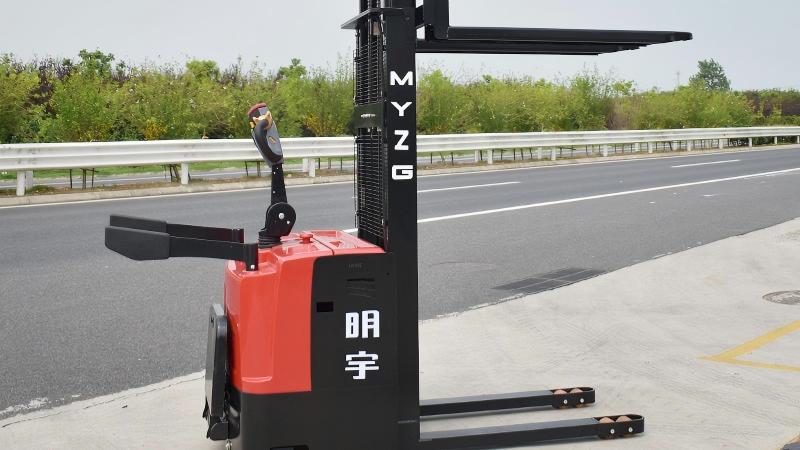
The certification process mandated by OSHA for powered pallet stackers is rigorous and multi-faceted, designed to ensure operators possess both the knowledge and practical skills to mitigate workplace hazards. Formal instruction is the first pillar, covering topics such as the principles of truck operation and stability, including the dynamics of the stability triangle and the dangers of tipping; proper load handling capacities and limitations as found on the equipment's data plate; and the specific workplace-related topics like surface conditions, pedestrian traffic patterns, and the layout of aisles and ramps. The second pillar involves practical, hands-on training conducted under the supervision of a qualified trainer. Here, the operator must demonstrate proficiency in a controlled environment, performing essential tasks such as pre-operation inspections, picking up and placing loads, stacking and destacking at various heights, maneuvering in tight spaces, and parking and shutting down the equipment safely. The final component is a formal evaluation of the operator's performance, followed by certification issued by the employer. This certification is valid for three years, after which a refresher training and evaluation is required. Additionally, refresher training is mandatory if the operator is observed operating unsafely, is involved in an accident or near-miss, receives an assignment on a different type of truck, or if workplace conditions change significantly.
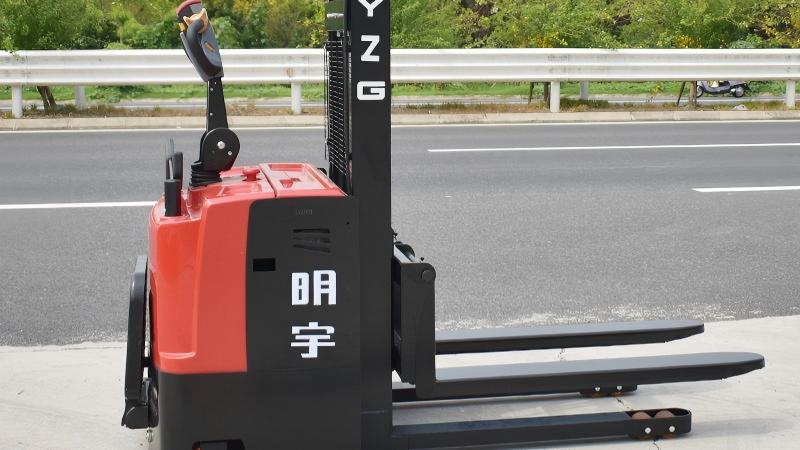
Beyond the federal OSHA requirements, individual employers and specific industries often impose additional standards that can affect the operation of even manual equipment. Many responsible companies enforce a policy of "no formal certification, no operation," meaning that anyone using material handling equipment, regardless of OSHA's technical thresholds, must complete an internal training program. This is a best practice rooted in risk management and liability prevention. For instance, a manual pallet stacker, while not requiring complex certification, can still cause severe foot injuries, product damage, or musculoskeletal disorders if used incorrectly. Therefore, comprehensive training should cover proper body mechanics for pumping or lifting, how to safely navigate slopes and dock plates, and awareness of pinch points. Furthermore, certain high-risk environments, such as facilities handling hazardous materials, food-grade products, or in the aerospace sector, may have stringent internal protocols exceeding OSHA minima. Insurance carriers also play a significant role; they frequently audit workplaces and may require documented training for all equipment operators as a condition of coverage, effectively making some form of "license" or certification a practical necessity across the board.
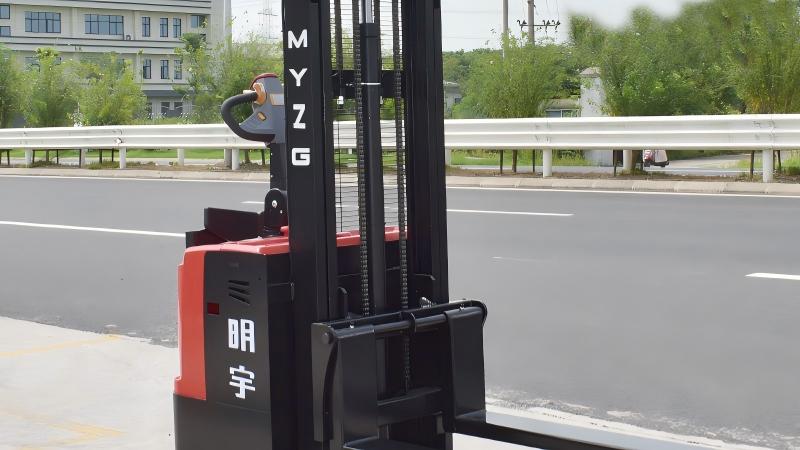
Ultimately, while the term "license" may be a colloquial simplification, the core principle is unequivocal: safe operation of any pallet stacker demands structured training and demonstrated competence. The legal and moral imperative is to ensure a safe working environment. Employers bear the legal responsibility for providing this training and certifying their operators. For an individual worker, assuming you can operate a stacker without proper instruction is not only a violation of policy but a significant safety risk to yourself and colleagues. Before operating any pallet stacker, an operator must confirm with their employer the specific requirements, complete all mandated training modules, and fully understand the equipment's controls, capabilities, and limitations. In today’s modern warehouse, where efficiency and speed are paramount, a well-trained, "licensed" or certified operator is not a regulatory checkbox but the most critical component in preventing accidents, reducing product loss, and maintaining a productive, safety-first culture. Investing in proper training is an investment in human capital and operational excellence.
Post time:Dec.25.2025
