
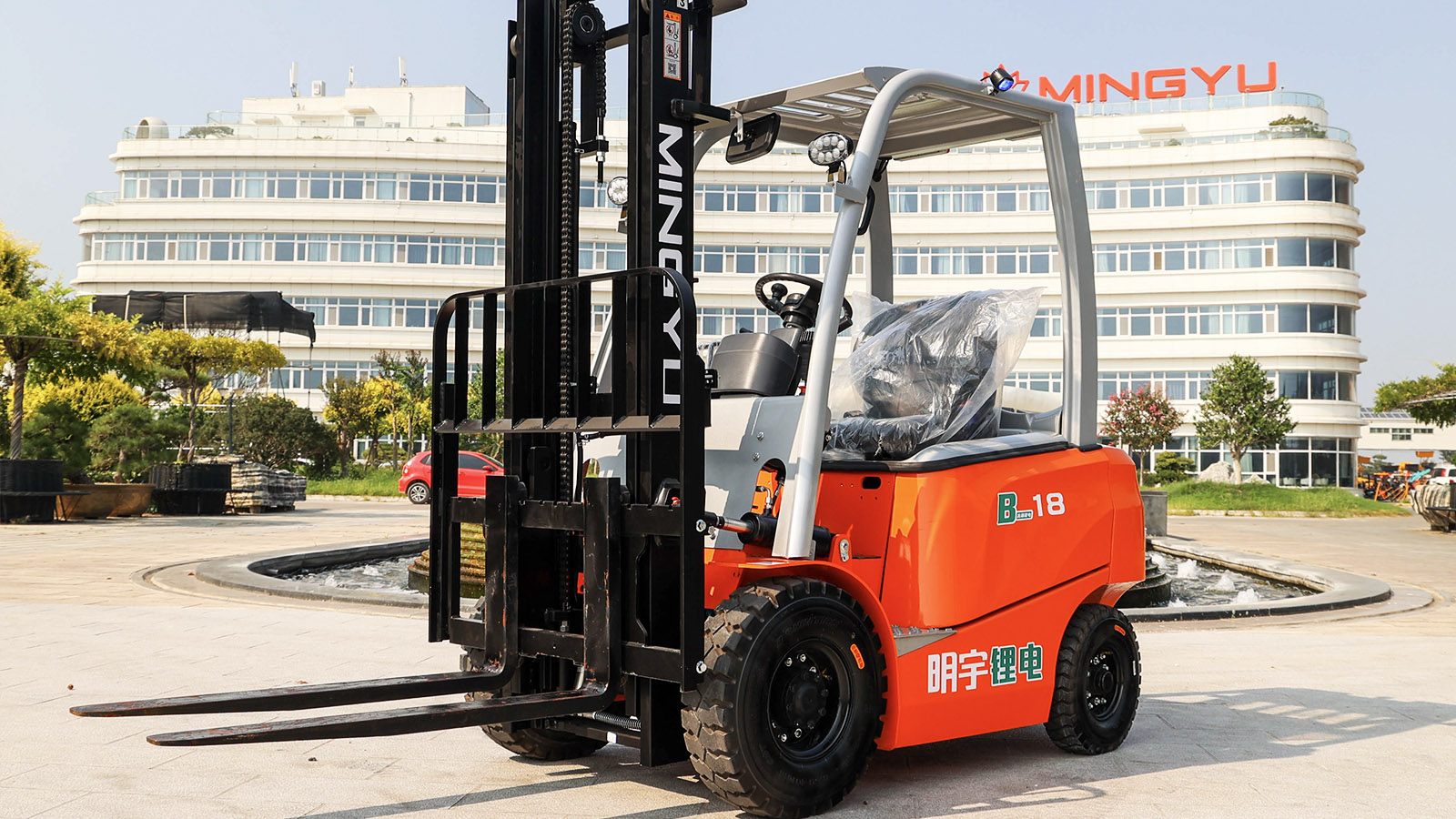
In the modern logistics and warehousing industry, the shift toward sustainable energy is no longer just a trend—it is a standard. Electric forklifts, particularly the high-performance models produced by MYZG and MINGYU forklift, have become the backbone of efficient indoor operations. These machines offer zero emissions, reduced noise, and lower long-term operating costs. However, the most critical and expensive component of an electric forklift is its battery. Often referred to as the heart of the machine, the battery’s health directly dictates the productivity and lifespan of the entire unit. Whether you are operating a single MINGYU forklift or managing a massive fleet of MYZG equipment, understanding how to maintain and extend the life of your electric forklift battery is essential for maximizing your Return on Investment (ROI).
The Science of Battery Longevity
To extend the life of a battery, one must first understand that most forklift batteries—whether traditional Lead-Acid or modern Lithium-ion—have a finite number of charging cycles. A cycle is generally defined as one full charge and discharge. Most lead-acid batteries are rated for approximately 1,500 cycles, while high-end lithium-ion batteries used in MYZG models can reach 3,000 to 4,000 cycles. Every time you charge the battery incorrectly, you essentially "waste" a portion of its life.
Master the Art of Charging Protocols
One of the most common mistakes in battery maintenance is "opportunity charging"—plugging in the forklift during a short coffee break or lunch hour when it isn't necessary. For traditional lead-acid batteries used in many MINGYU forklift models, this can be detrimental. Lead-acid batteries prefer to be charged when they reach about 20% capacity and then charged all the way to 100% without interruption. Frequent short charges lead to "sulfation," where lead sulfate crystals harden on the plates, permanently reducing the battery’s capacity.
Conversely, for the newer MYZG lithium-ion series, opportunity charging is actually encouraged. Lithium-ion technology does not suffer from the "memory effect." However, regardless of the battery type, it is crucial to avoid deep discharges. Letting a battery drop below 20% puts immense strain on the chemical components, generating excessive heat and shortening the overall lifespan.
 The Importance of Proper Watering (Lead-Acid Only)
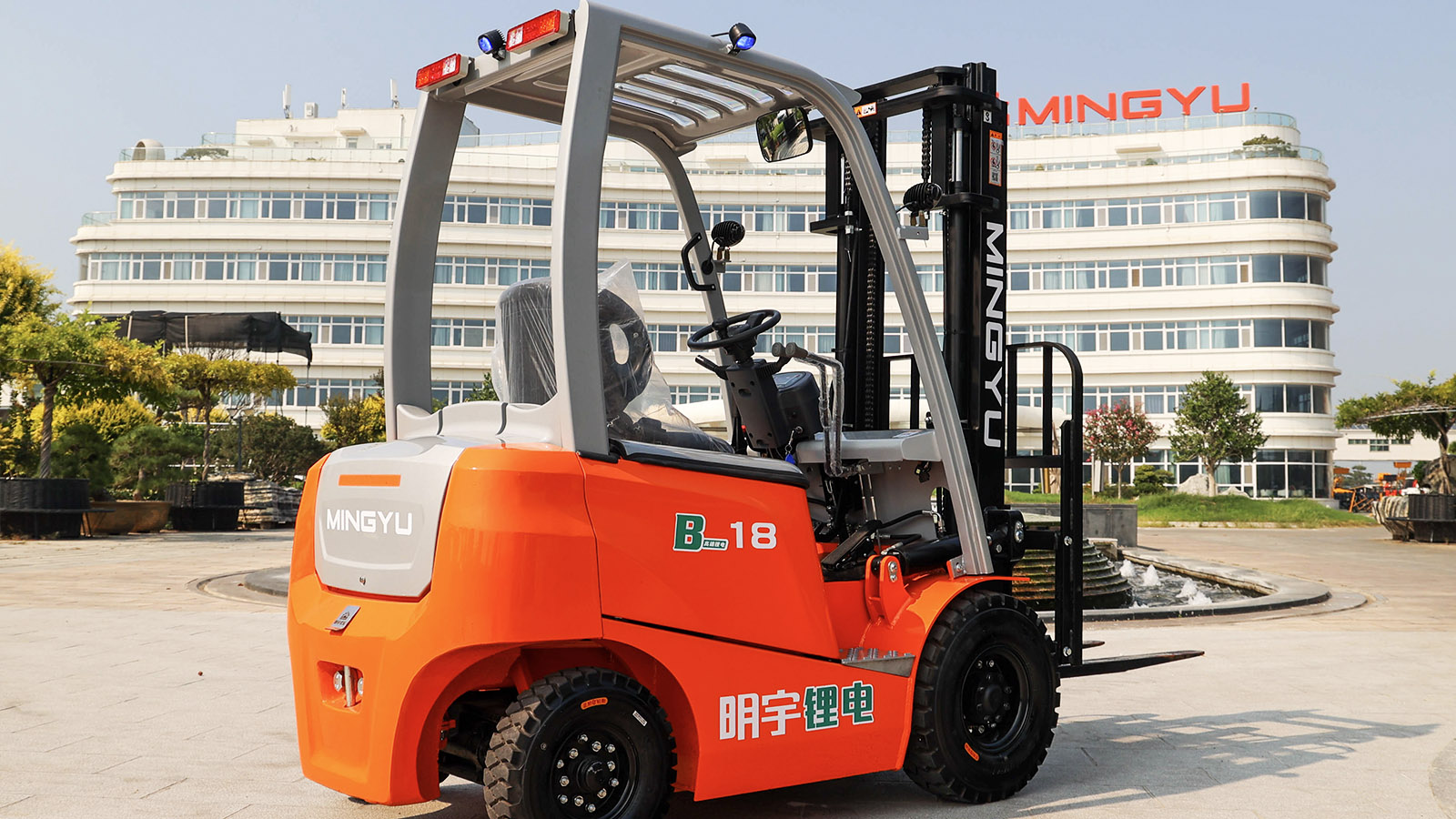
If your MINGYU forklift utilizes a lead-acid battery, water maintenance is non-negotiable. These batteries use a mixture of sulfuric acid and water. During the charging process, some of that water evaporates. If the water level drops too low, the lead plates are exposed to air, causing them to oxidize and lose the ability to hold a charge.
Key Watering Rules:
Always use distilled or deionized water. Tap water contains minerals that can cause chemical imbalances and internal short circuits.
Only water the battery after a full charge. If you add water before charging, the electrolyte level will rise as it heats up, potentially causing an "acid boil-over," which is dangerous and corrosive.
Check water levels every 5 to 10 charging cycles to ensure the plates remain submerged.
Temperature Management: The Silent Killer
Extreme temperatures are the enemy of chemical energy storage. MYZG and MINGYU forklifts are designed to work in various environments, but the battery itself is sensitive. Excessive heat (above 35°C) during charging can speed up chemical reactions too much, leading to internal damage. Conversely, extreme cold (below 0°C) can reduce a battery’s effective capacity by up to 30%.
When charging your MINGYU forklift, ensure the charging station is in a well-ventilated, temperature-controlled area. If you operate in cold storage, consider MYZG’s specialized cold-chain models which feature insulated battery compartments or integrated heaters to keep the battery within its optimal operating temperature.
Keep It Clean and Dry
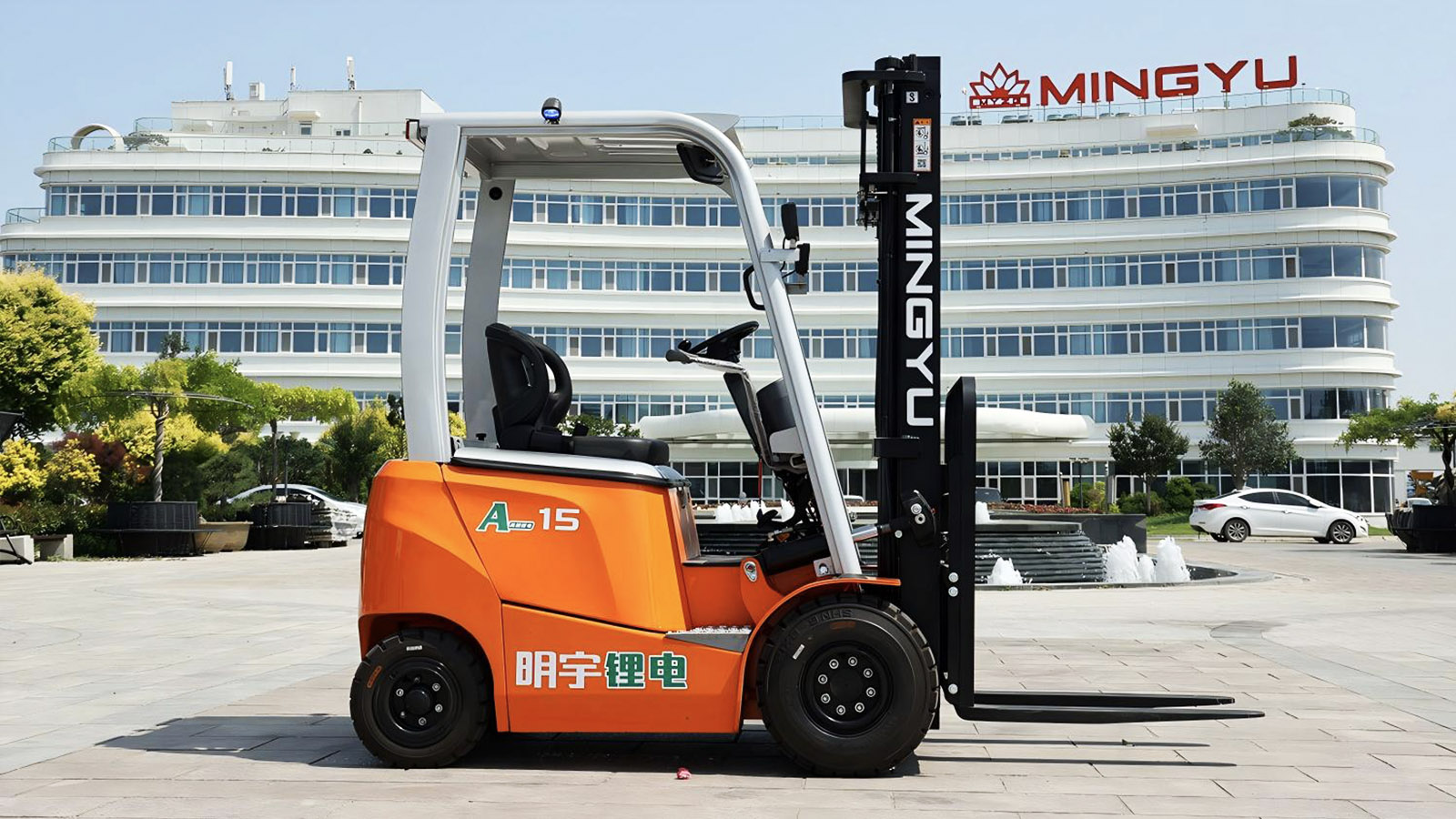
The top of the battery should always be kept clean and dry. Over time, "acid tracking" can occur, where a thin layer of electrolyte sits on top of the battery, creating a conductive path between the terminals. This causes a slow, constant discharge even when the forklift is turned off. Periodically cleaning the battery with a neutralizing solution (like baking soda and water) prevents corrosion of the terminals and ensures that power is delivered only when needed.
Equalization Charging
For lead-acid batteries, an "equalization charge" is a deliberate overcharge performed once every few weeks. This process ensures that every cell in the battery is at the same voltage and helps break down any early-stage sulfate crystals. Most modern chargers paired with MINGYU forklifts have an automatic equalization setting. This simple step can add months or even years to the battery’s functional life.
The MYZG/MINGYU Advantage
Choosing a MYZG or MINGYU forklift gives you access to advanced Battery Management Systems (BMS). These intellige
Post time:Mar.02.2026
