
How to Operate a Wheel Loader Safely: A Beginner’s Guide ?
Operating a wheel loader safely is one of the most important skills for anyone working in construction, agriculture, mining, or logistics. These machines are powerful, versatile, and essential for moving heavy materials efficiently, but they also present serious risks if handled improperly. Beginners often underestimate the importance of safety procedures, which can lead to accidents, injuries, and costly equipment damage. A wheel loader’s size, weight, and hydraulic force mean that even a small mistake can have significant consequences. Therefore, understanding proper operating techniques, safety checks, and situational awareness is critical. This guide provides a comprehensive overview for beginners, helping them develop safe habits from the very beginning while also improving productivity and equipment longevity in real working environments.
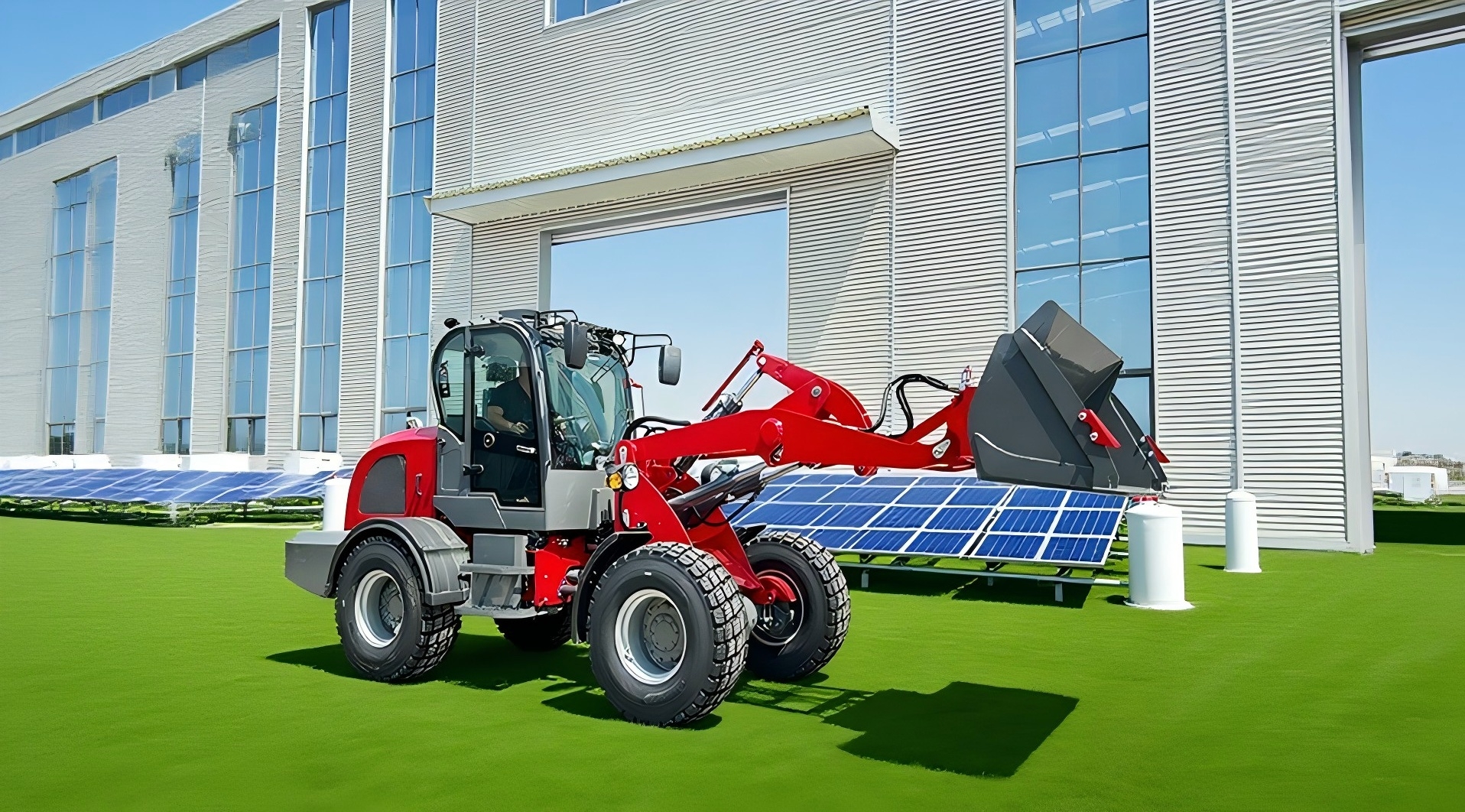
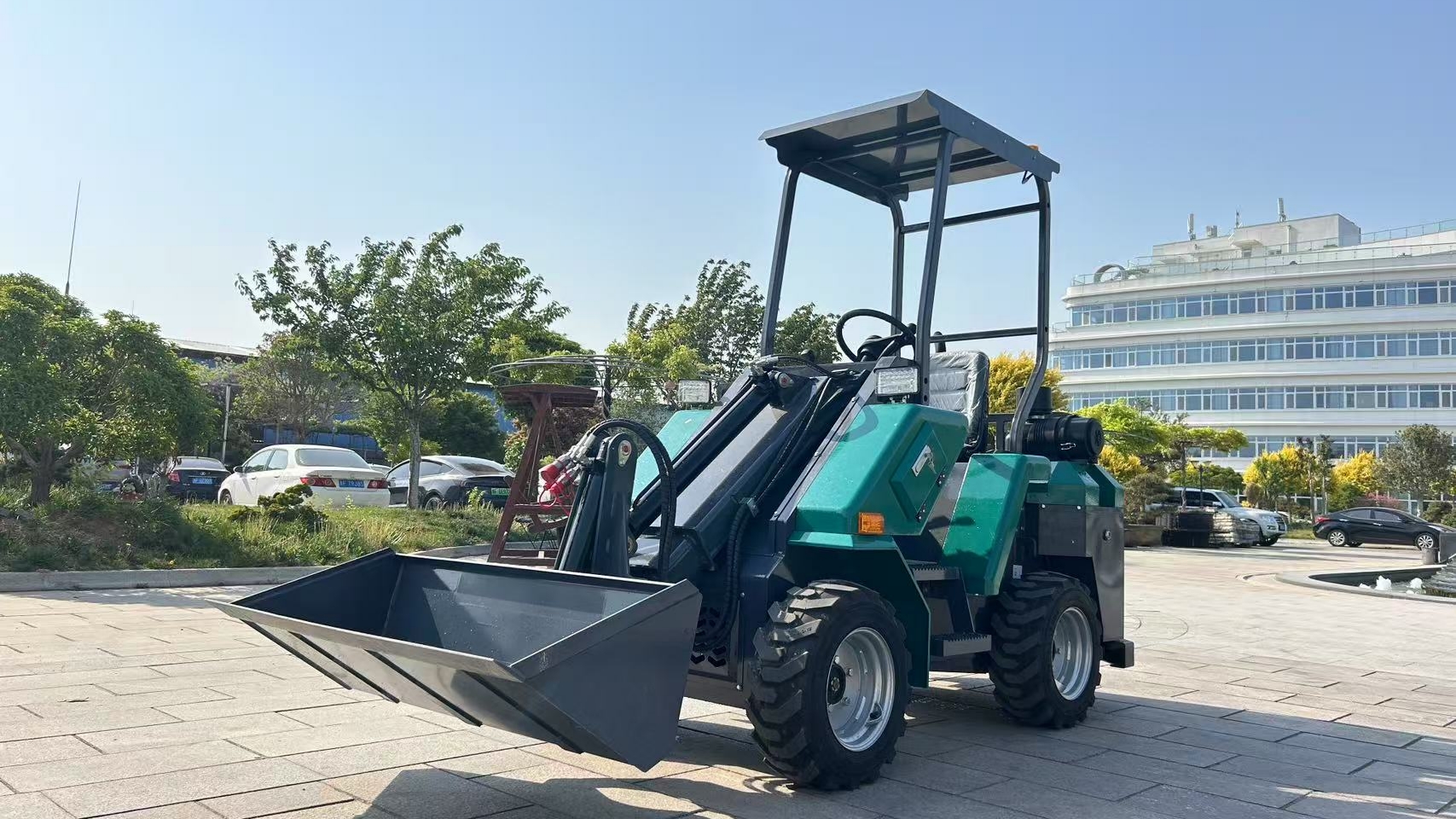
To operate a wheel loader safely, it is essential to first understand its structure and basic working principles. A wheel loader typically consists of a front-mounted bucket, boom arms, hydraulic system, engine, operator cabin, and large heavy-duty tires. Each component plays a crucial role in the machine’s functionality. The hydraulic system controls the lifting and tilting of the bucket, while the engine provides the power needed for movement and operation. Wheel loaders come in different sizes, from compact models used in small farms or warehouses to large machines used in mining operations. Despite these differences, the core principles remain consistent. Understanding how the machine responds to control inputs is the foundation for safe operation, especially for beginners who are still developing coordination and spatial awareness.
Before starting the machine, a thorough pre-operation inspection must always be performed. This step is often overlooked, yet it is one of the most effective ways to prevent accidents and mechanical failures. Operators should begin with a walk-around inspection, checking for visible damage, loose parts, or fluid leaks. Tires should be inspected for proper pressure and wear, as tire failure can lead to loss of control. Fluid levels, including engine oil, hydraulic oil, coolant, and fuel, must be checked to ensure the machine operates smoothly. Inside the cabin, the operator should adjust the seat for comfort and visibility, clean and position mirrors correctly, and ensure the seatbelt is functioning. Testing lights, horns, and alarms is also essential, especially in busy job sites where communication and visibility are critical for safety.
Personal safety preparation is equally important as machine inspection. Operators must wear appropriate personal protective equipment (PPE), including a safety helmet, steel-toe boots, gloves, and a high-visibility vest. These items provide protection against common workplace hazards such as falling objects, slips, and collisions. Loose clothing or accessories should be avoided, as they may get caught in moving parts. In addition to physical preparation, mental readiness is crucial. Operating heavy machinery requires focus, quick decision-making, and situational awareness. Fatigue, stress, or distractions can significantly increase the risk of accidents. Operators should also familiarize themselves with site-specific safety rules, traffic patterns, and communication protocols to ensure smooth coordination with other workers and equipment on site.
Understanding and mastering the controls of a wheel loader is a key step toward safe operation. The operator’s cabin contains a variety of instruments and controls, including the steering wheel, pedals, gear selector, and joystick or control levers for the bucket. The dashboard provides essential information such as engine temperature, fuel level, and warning indicators that alert the operator to potential issues. Beginners should take time to practice using the controls in a safe, open area before working in a busy environment. Smooth and controlled movements are essential to maintain machine stability. Sudden or aggressive inputs can cause the load to shift, increasing the risk of tipping or losing control. Reading the operator’s manual is highly recommended, as different models may have unique features or control layouts.
Starting and moving the wheel loader safely requires careful attention to procedure and surroundings. Before starting the engine, the operator should ensure that the transmission is in neutral and the parking brake is engaged. After starting, the engine should be allowed to warm up to ensure proper lubrication and system performance. Before moving, it is critical to check the surrounding area for obstacles, workers, or other equipment. Using mirrors and, when necessary, a spotter can help improve visibility. When driving, operators should maintain a controlled speed and avoid sudden acceleration or braking. Awareness of blind spots is essential, as wheel loaders have limited visibility in certain areas. Clear communication with ground personnel through signals or radios further enhances safety.
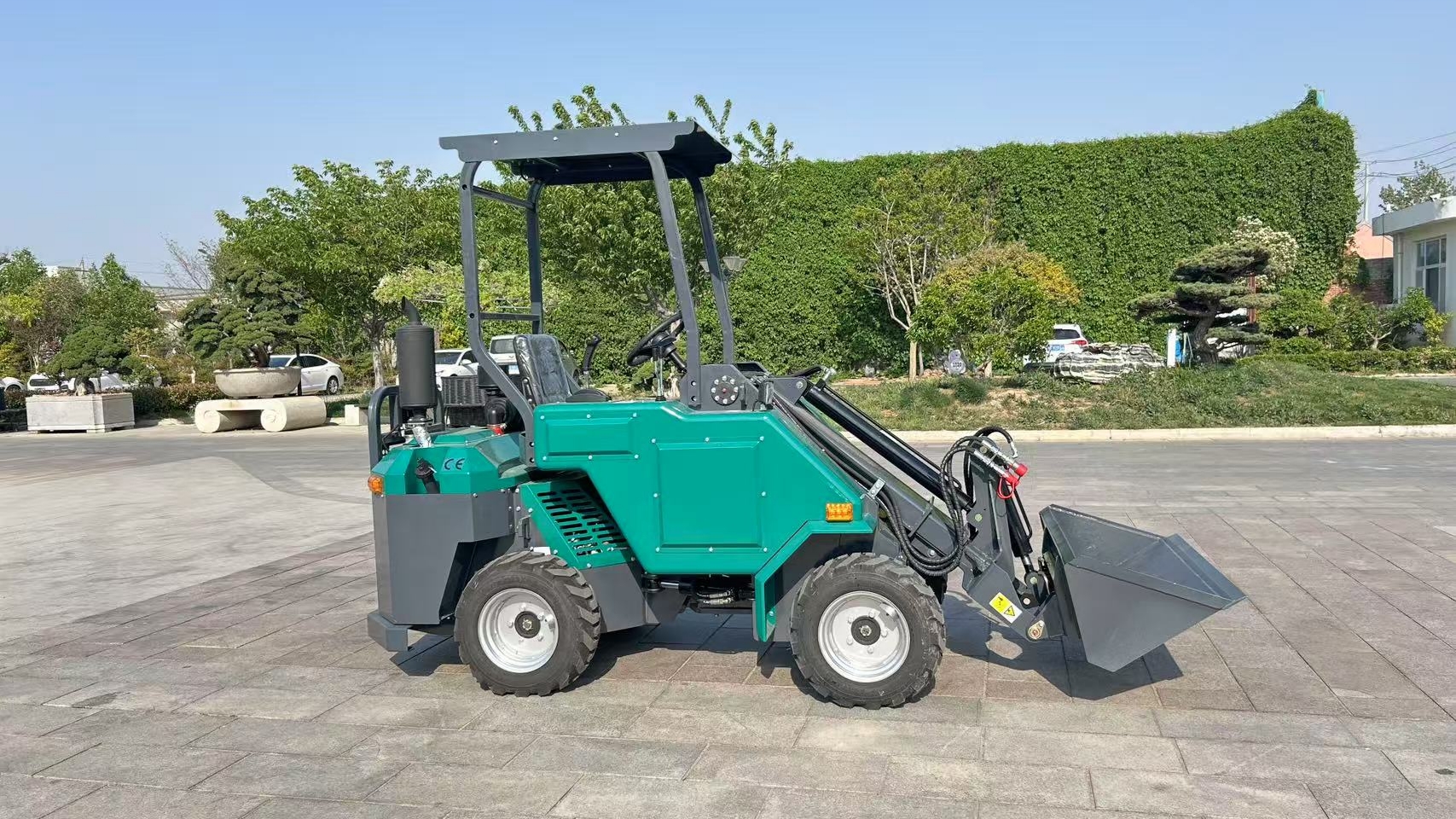
Safe loading and material handling techniques are at the core of wheel loader operation. When approaching a pile of material, the operator should align the machine properly and move forward slowly to engage the bucket efficiently. The bucket should be kept low while traveling to maintain a low center of gravity, which improves stability and reduces the risk of tipping. When loading trucks, operators should ensure proper positioning and avoid dropping materials from excessive heights, as this can damage equipment or cause injury. Overloading the bucket should always be avoided, as it puts stress on the machine and compromises stability. Special caution is required when working on slopes or uneven terrain. Loads should be carried uphill whenever possible, and sharp turns should be avoided when the bucket is raised.
Beginners often make common mistakes that can compromise safety, and recognizing these errors is an important part of training. Driving too fast, especially in confined or busy areas, is a frequent issue that reduces reaction time and increases accident risk. Another common mistake is traveling with the bucket raised too high, which raises the center of gravity and increases the likelihood of tipping. Ignoring warning lights or unusual noises can lead to mechanical failure and dangerous situations. Poor visibility management, such as failing to check blind spots or neglecting to use mirrors, is also a major cause of accidents. Developing disciplined habits, maintaining constant awareness, and following established procedures are essential to avoiding these mistakes and ensuring safe operation.
Wheel loader operation can vary significantly depending on the working environment, and operators must adapt accordingly. Construction sites often involve uneven terrain, heavy traffic, and dynamic conditions that require constant vigilance. Agricultural settings may present challenges such as soft soil, mud, or limited traction. In warehouses or confined spaces, precision and slow, controlled movements are critical to avoid collisions. Night operations require adequate lighting and increased attention to visibility. Weather conditions such as rain, snow, or ice can reduce traction and make surfaces slippery, increasing the risk of accidents. Understanding how environmental factors affect machine performance is key to maintaining safety in all situations.
Proper parking, shutdown procedures, and ongoing maintenance are essential for long-term safety and efficiency. At the end of operation, the machine should be parked on stable, level ground with the bucket lowered completely to the surface. The parking brake should be engaged, and the transmission placed in neutral before shutting off the engine. A post-operation inspection can help identify any issues that need attention. Regular maintenance, including checking fluids, inspecting components, and cleaning the machine, plays a vital role in preventing breakdowns and ensuring safe operation. Additionally, operators should receive proper training and stay updated on safety regulations and best practices. In emergency situations, knowing how to respond quickly and effectively can prevent minor issues from escalating into serious incidents. By consistently following these guidelines, beginners can develop strong safety habits and become skilled, responsible wheel loader operators.
Post time:Mar.18.2026
