
How to Operate a Backhoe? A Complete Beginner-to-Pro Guide
1. Introduction
A backhoe is one of the most versatile and essential pieces of equipment in construction, landscaping, agriculture, and utility work. Known for its dual functionality, it combines a front loader for moving materials and a rear digging arm for excavation tasks.
Operating a backhoe efficiently requires understanding its controls, knowing safety procedures, and practicing proper techniques. Whether you are a beginner learning for the first time or an experienced operator looking to improve efficiency, mastering backhoe operation ensures safety, productivity, and longevity of the machine.
In this guide, we’ll cover everything you need to know about operating a backhoe safely and effectively, including preparation, digging techniques, material handling, terrain handling, and maintenance.
2. Understanding Backhoe Components
Before operating a backhoe, you must familiarize yourself with its components.
2.1 Main Parts of a Backhoe
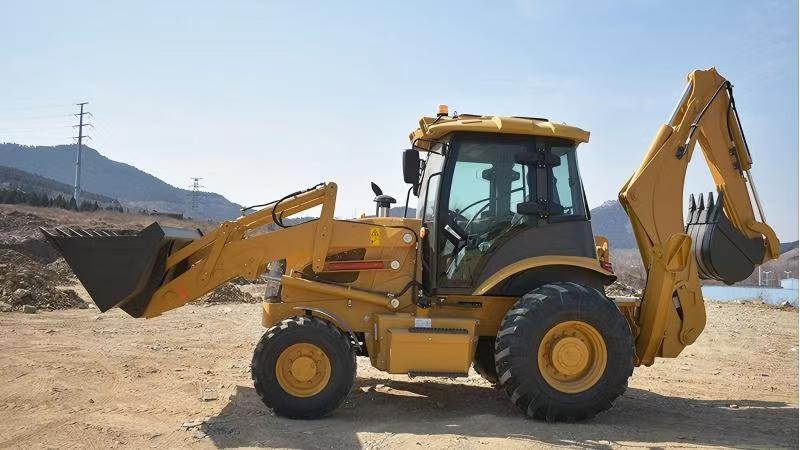
Loader (Front Bucket) – Used for lifting, loading, and moving materials such as dirt, gravel, and sand.
Backhoe (Rear Arm and Bucket) – Ideal for digging trenches, foundations, or holes.
Boom and Stick – The boom lifts and positions the arm, while the stick extends and retracts the bucket.
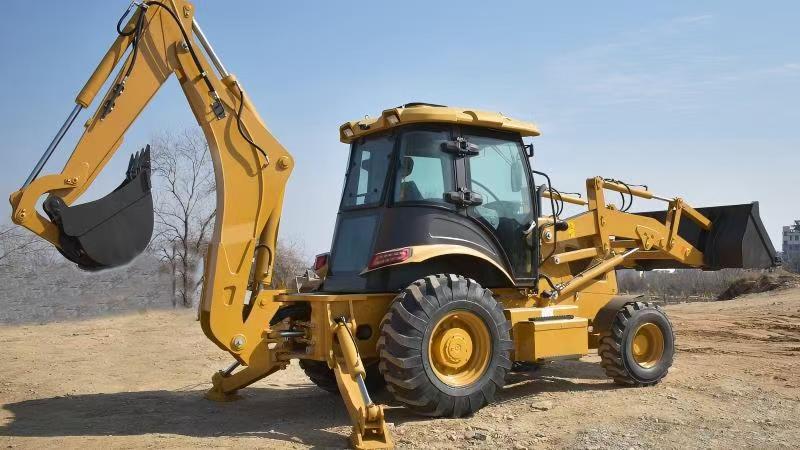
Stabilizers (Outriggers) – Provide stability when using the backhoe arm.
Understanding each part helps operators work safely and perform precise operations.
2.2 Operator Controls
Backhoe controls are primarily through joysticks, pedals, and levers:
Joysticks control boom, stick, and bucket movement.
Pedals control driving and, in some models, auxiliary functions.
Steering wheel manages the front loader movement.
Control patterns vary: ISO and SAE are the two most common, affecting how the joysticks move the boom and bucket.
Knowing your control layout is crucial for smooth operation.
3. Safety Precautions Before Operation
Operating a backhoe involves heavy machinery, so safety is paramount.
3.1 Personal Safety Gear
Always wear proper safety gear:
Helmet and gloves
Safety boots with steel toes
High-visibility clothing
3.2 Machine Inspection Checklist
Inspect the backhoe before every use:
Check engine oil, hydraulic fluid, and coolant levels
Inspect tires or tracks for wear and damage
Examine hydraulic hoses and connections for leaks
Verify lights, signals, and mirrors are functional
3.3 Job Site Safety
Check for underground utilities before digging
Ensure the ground is stable and level
Keep bystanders and workers at a safe distance
Avoid operating near trenches or steep slopes without stabilizers
4. Starting the Backhoe
4.1 Pre-Start Procedures
Enter the cab safely using handrails and steps
Adjust the seat and mirrors for comfort and visibility
Fasten your seatbelt
4.2 Starting the Engine
Turn the key to the ignition position
Allow the engine to warm up for a few minutes before operation
Listen for unusual noises and check gauges
Proper start-up prevents mechanical damage and ensures readiness.
5. Basic Backhoe Controls and Movements
5.1 Moving the Machine
Use the steering wheel and pedals to drive forward or backward
Be cautious of obstacles and uneven surfaces
Always travel at a controlled speed
5.2 Operating the Loader (Front Bucket)
Lift and lower the bucket using joystick controls
Scoop material by pushing the bucket forward and curling it
Dump material by tilting the bucket at the desired location
5.3 Operating the Backhoe Arm
Lower the boom slowly and position the stick for digging
Curl the bucket to scoop material
Retract the stick to bring the material toward the machine
Extend the stick and dump the bucket into a truck or pile
Practice smooth, deliberate movements to prevent jerking and machine wear.
6. Digging Techniques
6.1 Positioning the Machine
Extend stabilizers fully to prevent tipping
Align the backhoe perpendicular to the digging site
Keep a safe distance from edges or slopes
6.2 Basic Digging Steps
Lower the boom slowly
Pull the stick toward the machine to scoop dirt
Curl the bucket to hold material
Lift and rotate the boom to dump material
6.3 Trenching and Excavation Tips
Maintain a consistent depth to prevent over-digging
Use short, controlled movements for precision
Move dirt in layers rather than trying to dig a large volume at once
7. Loading and Material Handling
Load trucks efficiently by swinging the boom smoothly
Avoid overloading the bucket to prevent spillage or tipping
Maintain steady bucket control to prevent sudden drops
Efficient handling improves productivity and reduces machine stress.
8. Operating on Different Terrains
8.1 Soft or Muddy Ground
Stabilize the machine on firm spots
Avoid excessive speed to prevent sinking
Keep the bucket low to the ground for balance
8.2 Slopes and Uneven Surfaces
Position the machine perpendicular to slopes when possible
Use stabilizers fully
Move slowly to avoid tipping
9. Advanced Operating Techniques
Precision digging: Work slowly in confined areas for clean cuts
Attachments: Use augers, breakers, or hydraulic hammers for specialized tasks
Working in tight spaces: Swing the boom carefully and avoid obstacles
Layered excavation: Dig in layers for better control and less strain on the machine
Advanced skills come with experience and consistent practice.
10. Common Mistakes to Avoid
Overloading the bucket
Neglecting pre-operation safety checks
Jerky or sudden movements
Operating too fast on uneven ground
Ignoring stabilizers or improper machine positioning
Avoiding these mistakes prevents accidents and prolongs machine life.
11. Basic Maintenance Tips
Inspect the machine daily before use
Clean dirt and debris from joints and hydraulics
Lubricate pivot points as recommended
Check fluid levels and top up as needed
Schedule regular servicing as per manufacturer guidelines
Regular maintenance ensures safety, efficiency, and longevity.
12. Shutting Down the Backhoe
Park on level ground whenever possible
Lower the loader and backhoe attachments fully
Retract stabilizers
Turn off the engine and remove the key
Secure the machine to prevent unauthorized use
Proper shutdown protects the machine and ensures safety.
13. Conclusion
Operating a backhoe safely and efficiently requires knowledge, practice, and attention to detail. From understanding controls and components to digging techniques and maintenance, mastering these skills will make you a competent operator.
Remember: safety first, precision second, and efficiency third. Practice in a safe environment, follow guidelines, and gradually move to complex tasks. With consistent learning and experience, anyone can operate a backhoe effectively.
Post time:Apr.08.2026
