
Where to Buy a Wheel Loader? A Complete Buyer’s Guide
1. Introduction
Wheel loaders are essential machines in construction, agriculture, mining, landscaping, and material handling industries. Known for their versatility, power, and efficiency, these machines are used to load, transport, and move materials such as sand, gravel, soil, and debris.
However, one of the most common questions buyers ask is: where is the best place to buy a wheel loader?
With so many options available—authorized dealers, manufacturers, online marketplaces, auctions, and local suppliers—choosing the right source can directly impact your cost, machine quality, and long-term satisfaction. This guide will walk you through all the major buying channels, their pros and cons, and expert tips to help you make a smart investment.
2. Understanding Your Needs Before Buying
Before deciding where to buy a wheel loader, you must first understand what you actually need.
2.1 Project Requirements
Different industries require different types of wheel loaders. For example:
Construction projects often need heavy-duty loaders with large bucket capacities
Agricultural operations may prefer compact loaders for maneuverability
Landscaping jobs benefit from smaller machines with multiple attachments
Clearly defining your application helps narrow down your choices.
2.2 Budget Considerations
Your budget will determine whether you should buy a new or used machine. While new loaders offer reliability and warranties, used ones can significantly reduce upfront costs.
Don’t forget to calculate the total cost of ownership, including:
Maintenance and repairs
Fuel consumption
Spare parts availability
2.3 Key Specifications to Consider
Important factors include:
Engine power and efficiency
Operating weight
Bucket capacity
Attachment compatibility
Choosing the right specifications ensures maximum productivity and cost-efficiency.
3. Buying from Authorized Dealers
Authorized dealers are one of the most reliable sources for purchasing a wheel loader.
3.1 Advantages
Guaranteed genuine equipment
Manufacturer-backed warranty
Professional after-sales service
Financing and leasing options
Dealers often provide technical support and spare parts, making them a safe choice for long-term use.
3.2 Disadvantages
Higher prices compared to other sources
Limited room for negotiation
If you value peace of mind and service support, authorized dealers are a strong option.
4. Purchasing Directly from Manufacturers
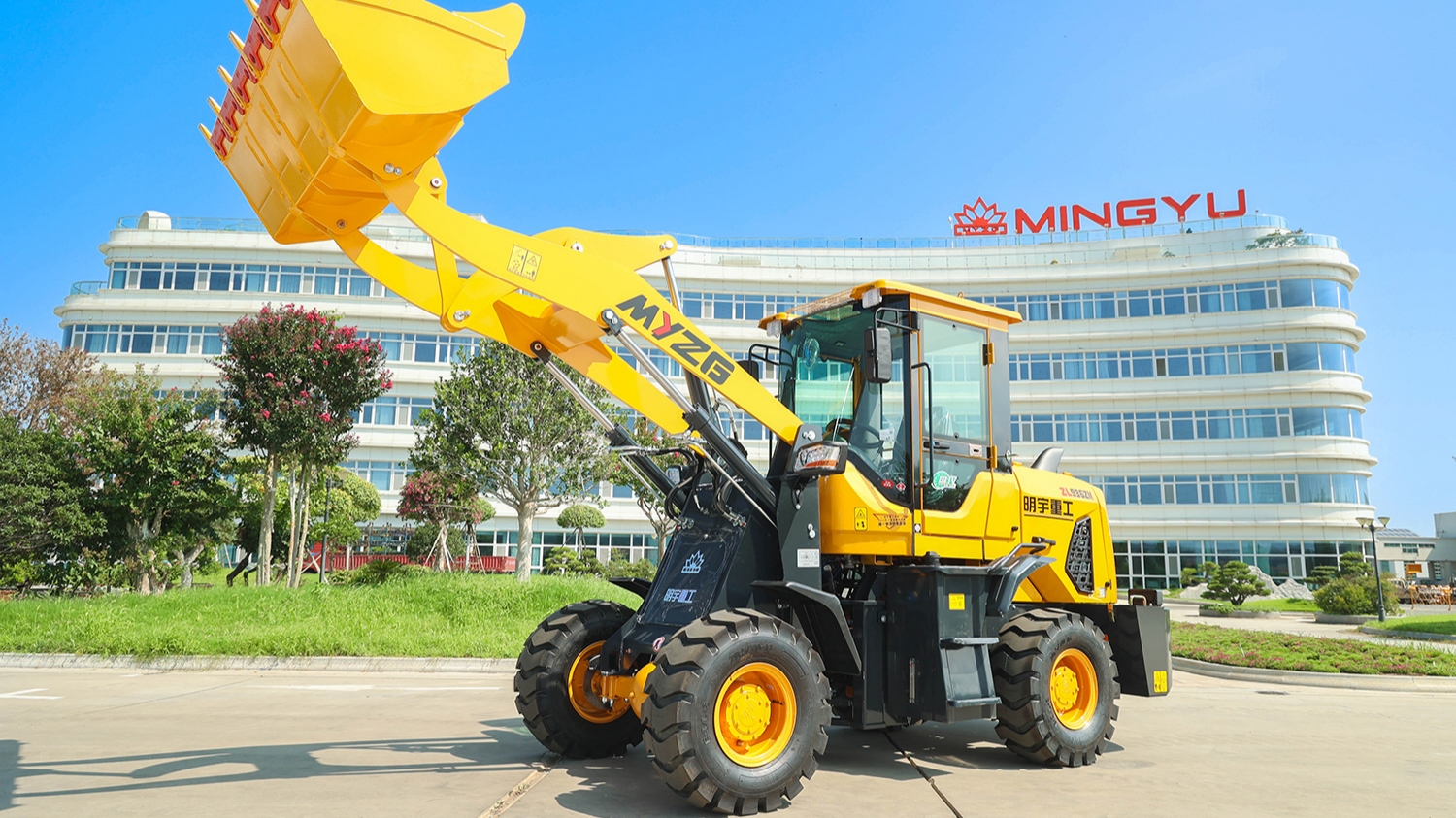
Buying directly from manufacturers, especially from countries like China, has become increasingly popular.
4.1 Benefits
Competitive factory pricing
Customization options (attachments, colors, specifications)
Direct communication with the producer
This option is ideal for bulk buyers or those looking for tailored machines.
4.2 Potential Drawbacks
Minimum order quantities may apply
Longer production and shipping times
Requires experience in international trade
Still, for many businesses, factory-direct purchasing offers excellent value.
5. Online Marketplaces and E-commerce Platforms
Online platforms have revolutionized how heavy equipment is bought and sold.
5.1 Popular Platforms
Common platforms include global B2B marketplaces where suppliers list a wide range of wheel loaders.
5.2 Pros
Access to a global supplier network
Easy comparison of prices and specifications
Convenient communication with sellers
5.3 Cons
Risk of fraudulent sellers
Inability to physically inspect equipment before purchase
Shipping and logistics complexities
To minimize risks, always verify the supplier’s credentials and request detailed photos or videos.
6. Buying from Equipment Auctions
Auctions can be a great place to find wheel loaders at competitive prices.
6.1 Types of Auctions
Online auctions
On-site auctions
6.2 Advantages
Potential for very low prices
Wide selection of used equipment
6.3 Risks
Limited or no warranty
Equipment sold “as-is”
High competition
Auctions are best suited for experienced buyers who can assess machine condition quickly.
7. Local Equipment Dealers and Rental Companies
Local suppliers are often overlooked but can provide significant advantages.
7.1 Why Consider Local Suppliers
Easy on-site inspection
Faster delivery and lower transport costs
Accessible maintenance and repair services
7.2 Rent-to-Own Options
Many rental companies offer rent-to-own programs, allowing you to:
Test the machine before committing
Spread payments over time
This is a great option for small businesses with limited budgets.
8. Buying Used Wheel Loaders
Used equipment can be a cost-effective solution if chosen carefully.
8.1 Where to Find Used Loaders
Equipment dealers
Online marketplaces
Auctions
8.2 Inspection Checklist
Before purchasing, check:
Engine performance and noise
Hydraulic system for leaks
Tire wear and condition
Maintenance history
8.3 Pros and Cons
Pros:
Lower purchase price
Faster availability
Cons:
Higher maintenance risks
Shorter lifespan
A thorough inspection is crucial to avoid costly mistakes.
9. Key Factors When Choosing a Seller
Not all sellers are equal, so it’s important to evaluate them carefully.
9.1 Reputation and Reviews
Look for:
Customer testimonials
Industry experience
Online ratings
9.2 Certifications and Compliance
Ensure the equipment meets:
International quality standards (ISO)
Local emission regulations
9.3 After-Sales Support
Reliable sellers should provide:
Spare parts availability
Technical guidance
Warranty coverage
Strong after-sales support can save you time and money in the long run.
10. Tips for Getting the Best Deal
To maximize your investment, follow these expert tips:
Compare multiple suppliers before making a decision
Negotiate pricing, especially for bulk orders
Ask for discounts, promotions, or free attachments
Understand shipping costs and import duties
Request videos or live inspections of the machine
A well-informed buyer always gets a better deal.
11. Common Mistakes to Avoid
Avoid these common pitfalls when buying a wheel loader:
Focusing only on the purchase price
Ignoring maintenance and operating costs
Failing to verify the seller’s credibility
Skipping a proper inspection
Overlooking warranty terms
Being cautious can prevent expensive regrets.
12. Conclusion
So, where should you buy a wheel loader? The answer depends on your priorities:
Choose authorized dealers for reliability and service
Go with manufacturers for competitive pricing and customization
Use online platforms for variety and convenience
Explore auctions for budget-friendly deals
Consider local suppliers for fast support
Each option has its advantages and trade-offs. The key is to match your choice with your budget, project requirements, and long-term goals.
By doing thorough research, comparing options, and working with reputable sellers, you can confidently invest in a wheel loader that delivers performance, durability, and value.
Post time:Apr.08.2026
