
How to Change Engine Oil and Filters on a Diesel Forklift ?
Diesel forklifts are widely used in warehouses, construction sites, ports, and industrial environments because of their powerful engines and durability. However, like any heavy-duty machine, they require consistent maintenance to ensure long-term reliability and efficiency. One of the most important routine maintenance tasks is changing the engine oil and filters. Engine oil plays a vital role in lubricating moving components, reducing friction, cooling engine parts, and carrying away contaminants produced during combustion. Over time, oil becomes dirty and loses its effectiveness, which can lead to increased engine wear, overheating, and even costly mechanical failures. Learning how to properly change the engine oil and filters on a diesel forklift not only helps extend the life of the equipment but also improves performance and reduces downtime. Whether you manage a fleet of forklifts or operate a single machine, understanding this essential maintenance procedure is key to keeping your equipment running smoothly.
Engine oil in diesel forklifts works much harder than in many other types of engines. Diesel engines operate under higher compression ratios and produce more soot and combustion byproducts. These contaminants gradually mix with the oil, reducing its lubricating properties and increasing the risk of engine damage. Fresh engine oil ensures that internal components such as pistons, crankshafts, camshafts, and bearings move smoothly without excessive friction. In addition to lubrication, engine oil helps cool engine components by transferring heat away from critical areas. It also acts as a cleaning agent, trapping dirt, metal particles, and carbon deposits so they can be removed during oil changes. Without regular oil replacement, these contaminants accumulate and form sludge, which can block oil passages and reduce engine efficiency. This is why routine oil and filter changes are considered one of the most effective preventive maintenance practices for diesel forklifts.
Determining when to change the engine oil on a diesel forklift depends on several factors, including manufacturer recommendations, operating conditions, and the type of oil used. In most cases, diesel forklift engines require an oil change every 250 to 500 operating hours. However, forklifts that operate in dusty environments, extreme temperatures, or heavy-load conditions may require more frequent maintenance. There are also several warning signs that indicate the oil should be changed sooner. For example, if the oil appears extremely dark or thick on the dipstick, if the engine begins making unusual noises, or if the forklift shows reduced power and increased exhaust smoke, the oil may have already lost its effectiveness. Monitoring operating hours and following a consistent maintenance schedule ensures that the engine continues to run efficiently and avoids premature wear.
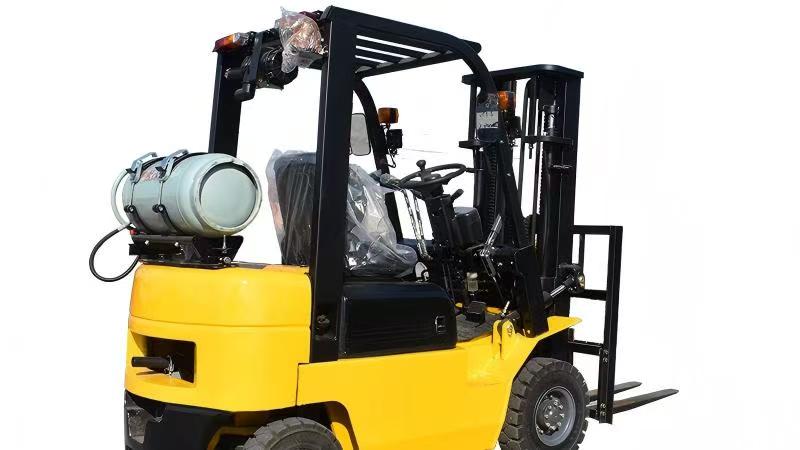
Before beginning the oil change process, it is important to gather the necessary tools and materials. Having everything prepared makes the procedure faster and safer. Common tools required for a diesel forklift oil change include an oil filter wrench, a socket or wrench set, a large drain pan to collect used oil, and a funnel for refilling the engine. Replacement materials include new diesel engine oil that meets the manufacturer’s recommended viscosity grade, a new oil filter, and sometimes a replacement fuel filter depending on the maintenance schedule. Cleaning rags or shop towels are useful for wiping spills and keeping the workspace clean. In addition, safety equipment such as protective gloves and safety glasses should always be worn to prevent contact with hot oil or sharp metal components. Proper preparation helps ensure that the maintenance process runs smoothly and minimizes the risk of accidents.
The next step is preparing the forklift itself for maintenance. Start by parking the forklift on a flat, stable surface and engaging the parking brake to prevent movement. Turn off the engine and remove the ignition key for safety. In many cases, it is helpful to run the engine for a few minutes before starting the oil change because warm oil flows more easily and drains more completely than cold oil. However, the engine should not be too hot to avoid burns. Once the engine is slightly cooled, locate the oil drain plug under the engine oil pan and the oil filter mounted on the engine block. Checking the forklift’s maintenance manual at this stage is also recommended because different forklift models may have slightly different oil capacities, filter locations, and torque specifications for bolts and plugs.
Draining the old engine oil is one of the most critical steps in the entire process. Place the drain pan directly underneath the oil drain plug to catch the used oil. Using the appropriate wrench or socket, carefully loosen and remove the drain plug while keeping your hands clear of the draining oil. Allow the oil to flow out completely, which may take several minutes. During this time, it is a good idea to inspect the drain plug and its sealing washer for damage or wear. If the washer is worn out, replacing it helps prevent future oil leaks. Once the oil has fully drained, reinstall the drain plug and tighten it securely according to the manufacturer’s recommended torque specifications. Properly securing the drain plug is important because a loose plug can cause oil leaks, while overtightening can damage the oil pan threads.
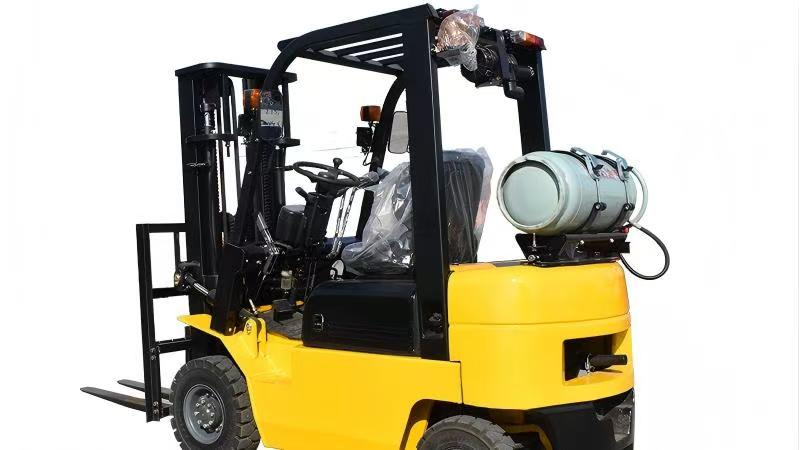
After the old oil has been drained, the next step is replacing the oil filter. The oil filter plays an essential role in removing contaminants such as dirt, metal particles, and carbon buildup from the engine oil. Over time, the filter becomes clogged and less effective, which is why it should always be replaced during an oil change. Locate the oil filter on the engine and use an oil filter wrench to loosen it. Be prepared for a small amount of oil to spill out as the filter is removed. Once the old filter is removed, check that the rubber gasket from the filter did not remain stuck to the engine surface, as this can cause leaks if a new filter is installed on top of it. Before installing the new filter, apply a thin layer of fresh engine oil to the rubber gasket. This helps create a proper seal and makes the filter easier to remove during the next maintenance service. Screw the new filter into place and tighten it by hand according to the manufacturer’s instructions.
With the new oil filter installed and the drain plug secured, the engine can now be refilled with fresh oil. Locate the oil filler cap on the top of the engine and remove it. Using a funnel helps prevent spills while pouring the new oil into the engine. Add the amount and type of oil specified in the forklift’s maintenance manual. Once the oil has been added, wait a few moments and then check the oil level using the dipstick. The oil level should fall within the recommended range marked on the dipstick. After confirming the level, start the engine and allow it to run for a few minutes. This circulates the new oil through the engine and fills the new oil filter. While the engine is running, inspect the area around the drain plug and oil filter for any signs of leaks. Turn off the engine and check the oil level again, adding a small amount if necessary.
The final stage of the oil change process involves post-maintenance checks and proper disposal of used oil and filters. Used engine oil should never be dumped on the ground or into drains because it can cause serious environmental pollution. Instead, it should be collected in a sealed container and taken to a certified recycling or disposal facility. Many service centers and auto parts stores accept used oil for recycling. It is also important to record the maintenance activity in the forklift’s service log, including the date, operating hours, and type of oil used. Maintaining accurate records helps track service intervals and ensures that the forklift receives timely maintenance in the future. Additionally, operators should remain aware of common mistakes such as overfilling the engine with oil, using the wrong oil viscosity, or forgetting to replace the oil filter. By following the correct procedures and maintaining a regular oil change schedule, diesel forklift owners can significantly extend engine life, improve reliability, and reduce costly repairs, ensuring their equipment continues to perform efficiently in demanding industrial environments.
Post time:Mar.10.2026
