
Are Skid Steers Difficult to Operate?
1. Introduction: Understanding Skid Steer Loaders
Skid steer loaders are among the most versatile and widely used pieces of compact construction equipment in the world. These machines are commonly used in construction, landscaping, agriculture, snow removal, and material handling. Their compact size, excellent maneuverability, and compatibility with numerous attachments make them essential tools for contractors and equipment operators. However, many people who are new to construction equipment often ask an important question: are skid steers difficult to operate? The short answer is that while skid steers may look intimidating at first, they are generally not difficult to learn with proper training and practice. Like any heavy equipment, skid steer operation requires a basic understanding of machine controls, safety procedures, and load management. In fact, many operators become comfortable using a skid steer after only a few hours of supervised practice. This article explores how skid steer loaders work, the types of controls they use, the learning curve for beginners, and practical tips that can help new operators master these machines quickly and safely.
2. How a Skid Steer Works
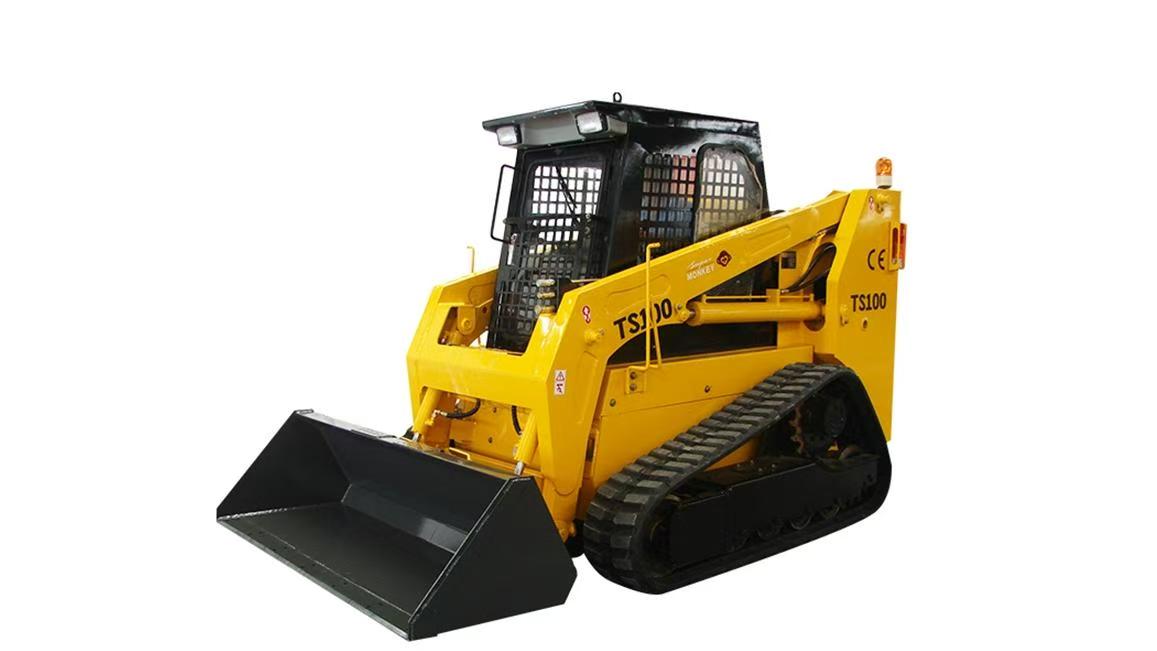
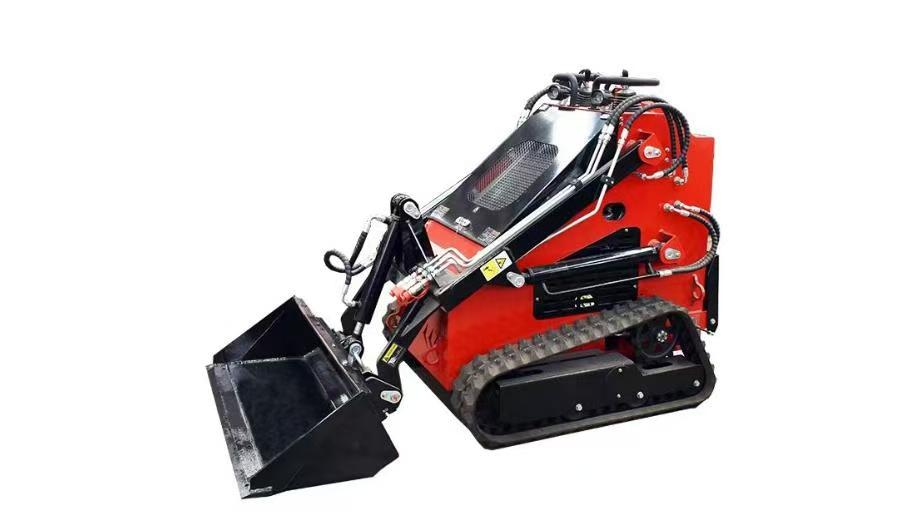
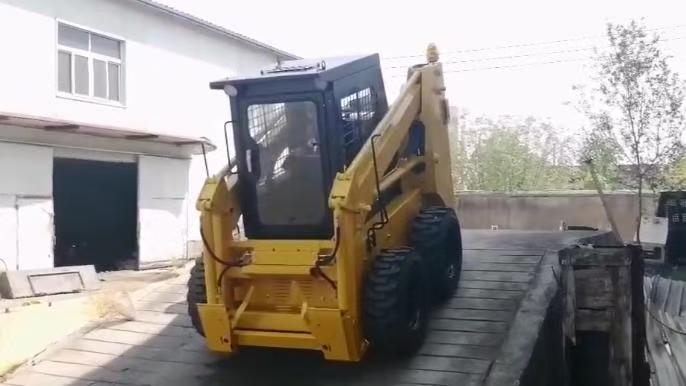
To understand whether skid steers are difficult to operate, it is helpful to first understand how they function. A skid steer loader is a compact machine with lift arms that can attach to a wide variety of tools such as buckets, forks, augers, trenchers, and snow blades. The machine typically has either four wheels or two tracks, and it turns by skidding or dragging the wheels on one side while the other side moves at a different speed. This unique steering method is known as “skid steering,” which is where the machine gets its name. Instead of a traditional steering wheel like a car or tractor, skid steers are controlled by joysticks or hand-and-foot control systems that manage the speed and direction of each side of the machine. Hydraulic systems power the lifting arms and attachments, allowing operators to raise, lower, tilt, and dump loads with precision. Because all of these movements can be controlled from a compact operator cabin, skid steers offer excellent maneuverability in tight spaces such as warehouses, construction sites, or urban projects where larger equipment cannot easily operate.
3. Types of Skid Steer Control Systems
One factor that affects how easy a skid steer is to operate is the type of control system installed in the machine. Historically, many skid steer loaders used hand-and-foot controls, where the operator used hand levers to steer the machine and foot pedals to control the lift arms and bucket functions. While effective, this control system required coordination between hands and feet, which could take some time for beginners to master. Modern skid steers increasingly use joystick control systems that simplify operation. Two common patterns are the ISO control pattern and the H-pattern control system. ISO controls use one joystick to control machine movement and the other joystick to control the loader arms and attachments. H-pattern controls allow operators to manage steering and loader functions through coordinated joystick movements that mimic traditional mechanical controls. Many newer machines allow operators to switch between control patterns depending on their preference. For beginners, joystick systems are generally easier to learn because they provide smoother and more intuitive machine control compared to older mechanical setups.
4. Learning Curve for New Operators
The learning curve for operating a skid steer is relatively moderate compared to other types of heavy equipment. Many operators can learn the basic functions of a skid steer within a few hours of hands-on practice, although becoming highly skilled may take several weeks or months of regular operation. Several factors influence how quickly someone learns to operate a skid steer. These include prior experience with heavy machinery, familiarity with hydraulic controls, the size and model of the skid steer, and the type of terrain where the machine is being used. Compared with larger equipment such as excavators or wheel loaders, skid steers are often considered beginner-friendly because their controls are straightforward and their compact design makes them easier to maneuver in confined areas. However, beginners should still receive proper training and supervision, as improper operation can lead to equipment damage, safety hazards, or inefficient work performance.
5. Key Skills Needed to Operate a Skid Steer
Although skid steers are not extremely difficult to operate, successful operators must develop several key skills. One important skill is coordination between machine movement and loader arm control. Operators must be able to move the machine forward or backward while simultaneously raising or lowering attachments to position loads correctly. Another essential skill is spatial awareness, which helps operators judge distances, avoid obstacles, and maneuver safely in tight spaces. Load management is also crucial because improperly balanced loads can affect machine stability. Operators must learn how to carry loads low to the ground, distribute weight properly, and avoid sudden movements that could shift the center of gravity. Additionally, understanding the responsiveness of hydraulic systems is important because skid steers react quickly to control inputs. With practice, operators develop smoother control movements that improve both productivity and safety.
6. Common Challenges Beginners Face
When first learning to operate a skid steer loader, beginners often encounter several common challenges. One of the most frequent issues is jerky or abrupt movements caused by overly aggressive joystick inputs. Because skid steers respond quickly to control changes, new operators may initially struggle to achieve smooth acceleration or precise attachment control. Another common challenge is oversteering, which can cause the machine to spin too quickly or lose traction on loose surfaces. Beginners may also find it difficult to maintain consistent bucket angles while moving, which can result in spilling materials during transport. Operating on uneven ground or soft soil can add additional complexity, as skid steers may tilt or lose stability if loads are carried too high. These challenges are normal parts of the learning process, and most operators overcome them quickly with consistent practice and proper instruction.
7. Safety Considerations When Operating a Skid Steer
Safety is a critical aspect of skid steer operation, and proper training significantly reduces the risk of accidents. Because skid steers are compact and powerful machines, improper use can lead to tip-over incidents, collisions, or equipment damage. One of the most important safety rules is always entering and exiting the machine correctly while the lift arms are fully lowered. Operators should also wear seat belts and ensure that safety bars or restraint systems are properly engaged before operating the machine. Visibility can sometimes be limited, particularly behind the machine, so operators must remain aware of surrounding workers and obstacles. Carrying loads too high while traveling is another common safety mistake that increases the risk of tipping. By keeping loads low, operating at moderate speeds, and following manufacturer guidelines, operators can greatly reduce potential hazards and maintain a safe working environment.
8. Modern Technology That Simplifies Operation
Advancements in construction equipment technology have made skid steer loaders easier to operate than ever before. Many modern machines now include electronic control systems that improve responsiveness and allow operators to customize machine settings. Features such as automatic bucket leveling help maintain the correct bucket angle while lifting loads, reducing the risk of spilling materials. Ride control systems smooth out machine movement when traveling over rough terrain, improving operator comfort and stability. Backup cameras and proximity sensors provide better visibility and help prevent collisions in busy work environments. Enclosed cabs with ergonomic seating, climate control, and intuitive control layouts also reduce operator fatigue during long work shifts. These technological improvements significantly shorten the learning curve for new operators and allow experienced operators to work more efficiently.
9. Conclusion: Are Skid Steers Difficult to Operate?
In conclusion, skid steer loaders are not particularly difficult to operate once operators become familiar with their controls and basic operating principles. While beginners may initially find the steering system and hydraulic responsiveness challenging, most people can learn the fundamentals within a short period of time. Proper training, consistent practice, and attention to safety guidelines are the key factors that determine how quickly an operator becomes proficient. Modern joystick controls and advanced machine technologies have also made skid steers more user-friendly than earlier models. With the right approach and training, skid steer loaders can become highly efficient tools for a wide range of tasks in construction, agriculture, landscaping, and industrial operations. For anyone considering learning to operate heavy equipment, the skid steer is often one of the easiest and most practical machines to start with, offering both versatility and a manageable learning curve.
Post time:Mar.09.2026
