
How to Choose the Right Bucket Capacity for a Wheel Loader ?
Choosing the right bucket capacity for a wheel loader is one of the most important decisions that operators, contractors, and equipment managers must make when purchasing or configuring a machine. Wheel loaders are widely used in construction, mining, agriculture, ports, and material handling industries, and the bucket is the primary working attachment that determines how efficiently the machine can move materials. A bucket that is too small will reduce productivity and increase loading cycles, while a bucket that is too large may overload the machine, reduce stability, and accelerate component wear. Selecting the correct bucket capacity ensures optimal balance between productivity, safety, fuel efficiency, and equipment lifespan. Understanding the factors that influence bucket size selection can help businesses maximize the performance of their wheel loaders while minimizing operational costs.
Before selecting a bucket, it is important to understand what bucket capacity actually means. Wheel loader bucket capacity generally refers to the volume of material that the bucket can hold. Manufacturers typically describe this using two measurements: struck capacity and heaped capacity. Struck capacity represents the volume when the bucket is filled level with its top edge, while heaped capacity measures the volume when material is piled above the bucket’s rim in a natural slope. Most manufacturers use heaped capacity when describing bucket specifications because it reflects real operating conditions. Bucket capacities can vary significantly depending on the size of the loader. Compact wheel loaders may have bucket capacities of around 0.5 to 1.5 cubic meters, while medium loaders typically range from 2 to 5 cubic meters, and large mining loaders may exceed 10 cubic meters. Understanding these measurements helps operators compare different machines and choose the correct configuration for their needs.
Another important factor when selecting bucket capacity is the type of bucket itself. Not all buckets are designed for the same applications, and each type offers different capacity characteristics. General-purpose buckets are the most common and are designed for handling materials like sand, soil, and gravel. Light material buckets are larger and have higher capacities, making them ideal for materials such as wood chips, grain, snow, or coal. Rock buckets are reinforced for durability and typically have smaller capacities to handle heavy materials like stone or ore. High-dump buckets are designed to unload materials at greater heights, which can be useful when loading trucks with tall sidewalls. Multi-purpose buckets, also known as 4-in-1 buckets, can perform several functions including loading, grading, grabbing, and dumping. The design, shape, and reinforcement of each bucket type directly affect its usable capacity and its suitability for specific working environments.
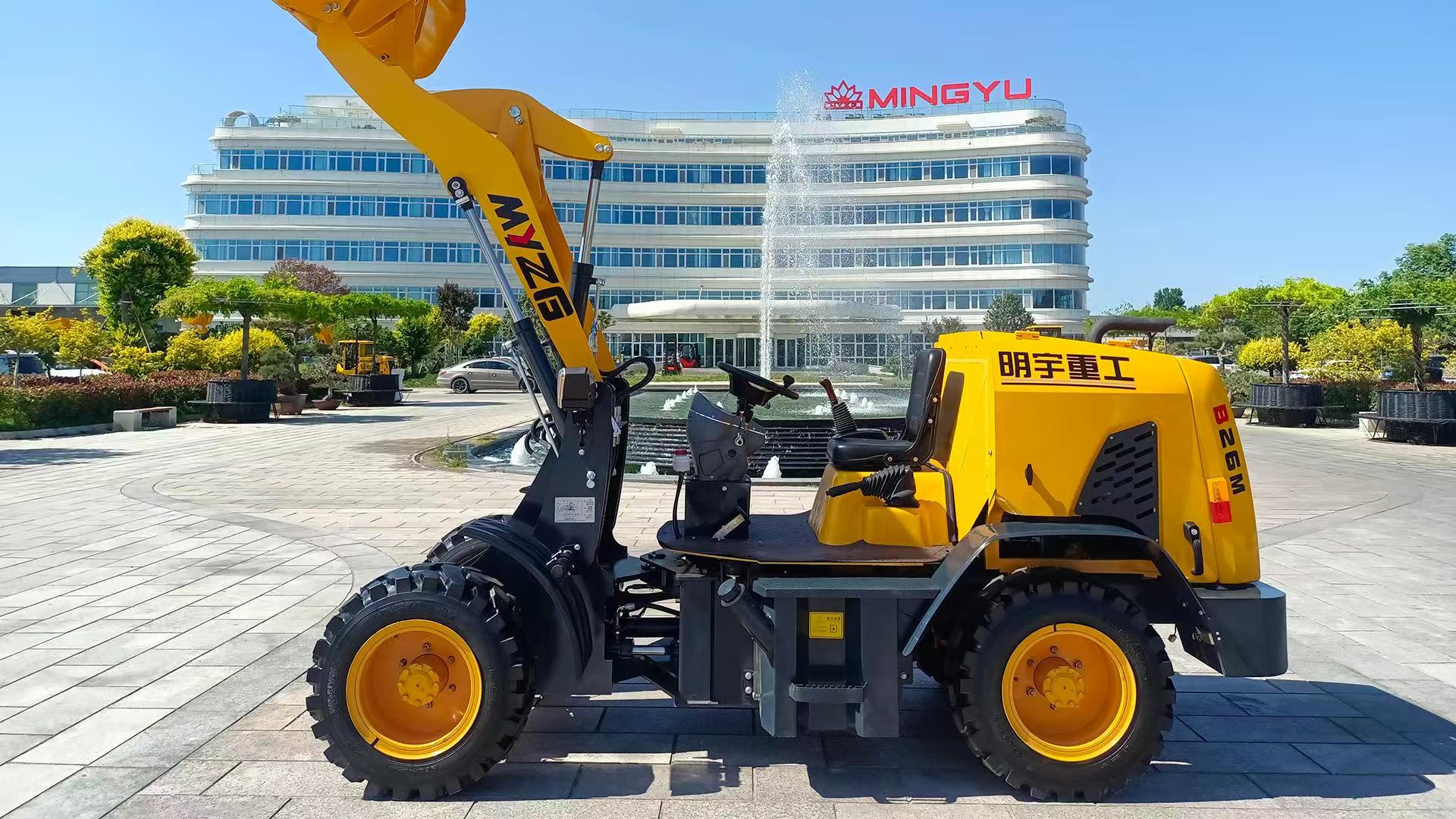
Matching the bucket capacity with the wheel loader’s size and power is essential to ensure safe and efficient operation. Every wheel loader is designed with a rated operating capacity that indicates how much weight it can safely lift and carry. Installing a bucket that is too large may exceed this limit, causing instability, increased tire wear, and strain on hydraulic components. In contrast, choosing a bucket that is too small may underutilize the loader’s potential and reduce job site productivity. Manufacturers usually provide recommended bucket sizes for each model based on the machine’s operating weight, engine horsepower, and hydraulic performance. For example, a small loader with an operating weight of around 5 tons might use a 1 cubic meter bucket, while a medium loader weighing 15 tons might use a 3 cubic meter bucket. Following these guidelines helps maintain the correct balance between bucket size and machine capability.
Material density is one of the most critical factors that determine the ideal bucket capacity for a wheel loader. Different materials have vastly different weights even when they occupy the same volume. For instance, dry sand may weigh approximately 1,600 kilograms per cubic meter, while gravel can weigh around 1,800 kilograms per cubic meter. Soil density can vary depending on moisture content, while crushed rock may exceed 2,000 kilograms per cubic meter. On the other hand, light materials such as wood chips or agricultural products may weigh less than 400 kilograms per cubic meter. Because of these differences, heavy materials require smaller bucket capacities to prevent overloading the machine. Operators must consider both volume and weight when selecting a bucket to ensure the loader operates within its safe lifting capacity. This approach protects the equipment while maintaining stable and efficient performance.
Job site conditions and the specific application also play a major role in determining the appropriate bucket capacity. Construction sites often require loaders to handle dense materials like sand, gravel, and concrete aggregates, which may demand smaller but stronger buckets. Mining operations typically involve extremely heavy materials such as ore or large rocks, requiring reinforced buckets with lower capacities but higher durability. Agricultural operations, on the other hand, frequently handle light materials like grain, fertilizer, or silage, where larger buckets can significantly improve efficiency. Space limitations at the worksite can also influence bucket choice. In tight environments such as warehouses or urban construction zones, a smaller bucket may improve maneuverability and control. Additionally, the desired loading cycle time must be considered. A larger bucket can reduce the number of cycles required to load a truck, but only if the machine can safely handle the weight.
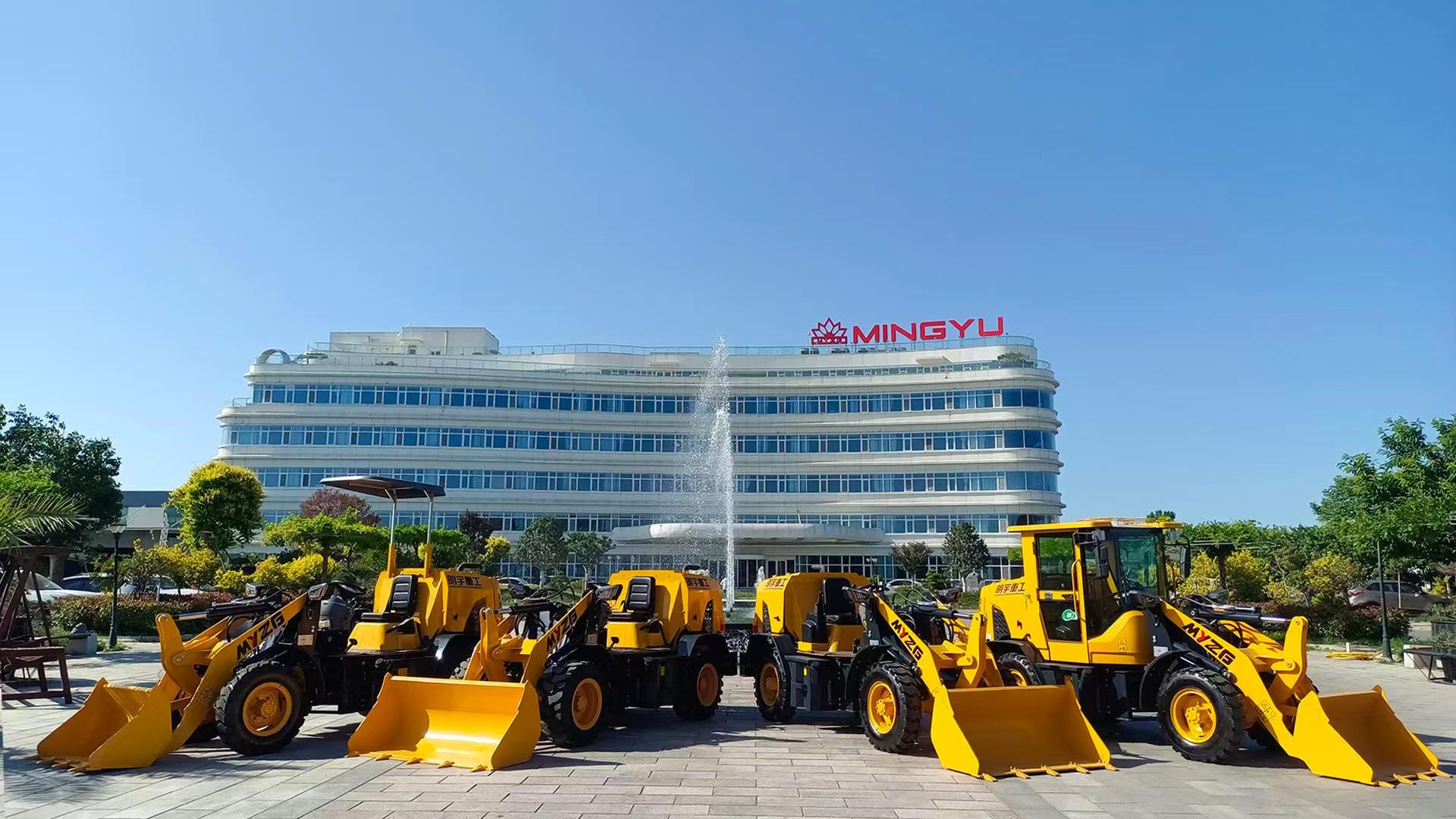
Calculating the ideal bucket capacity often involves a simple process that combines the loader’s rated load with the density of the material being handled. One common method is to divide the loader’s rated operating capacity by the material density to determine the maximum bucket volume. For example, if a loader has a rated load of 5,000 kilograms and it is primarily used to move sand with a density of 1,600 kilograms per cubic meter, the ideal bucket capacity would be around 3 cubic meters. However, operators usually apply a safety factor to prevent overloading during real-world operations. Many manufacturers recommend using approximately 85 to 90 percent of the theoretical maximum capacity. Equipment specification charts provided by manufacturers can also help determine the best bucket size for different materials and applications, ensuring the loader operates efficiently without exceeding safe limits.
The size of the bucket can significantly affect the productivity and fuel efficiency of a wheel loader. A bucket that is properly matched to the machine allows operators to complete tasks with fewer loading cycles, reducing operating time and fuel consumption. Larger buckets can improve efficiency when handling lightweight materials because they move more material per cycle. However, when working with dense materials, oversized buckets can cause the loader to struggle during lifting and transport, which may increase fuel consumption and mechanical wear. Excessive loads can also lead to faster tire wear, increased stress on hydraulic systems, and potential damage to structural components. Therefore, the goal is not simply to choose the largest possible bucket, but rather to select one that allows the machine to operate smoothly, efficiently, and within its designed limits.
In addition to capacity and material considerations, several other factors should be evaluated when choosing a wheel loader bucket. Bucket width should match the loader’s wheel track to maintain stability and ensure efficient loading. The cutting edge design can affect penetration and digging performance, especially when working with compacted soil or gravel. Durability is another key factor, particularly for operations involving abrasive materials such as rock or construction debris. Reinforced edges, wear plates, and high-strength steel can extend the service life of the bucket and reduce maintenance costs. Compatibility with quick couplers or other attachments should also be considered, as many modern loaders use interchangeable tools for different tasks. Operator experience and maintenance practices may also influence bucket selection, as some applications require specialized designs to achieve optimal performance.
In conclusion, choosing the right bucket capacity for a wheel loader requires careful consideration of several factors, including machine specifications, material density, job site conditions, and productivity goals. The bucket is not simply a container for moving materials; it is a critical component that directly affects the efficiency, safety, and longevity of the equipment. By understanding the differences between bucket types, calculating the appropriate capacity based on material weight, and following manufacturer recommendations, operators can ensure their wheel loaders perform at their best. A properly selected bucket allows machines to complete tasks more efficiently, reduce fuel consumption, and minimize wear on key components. For contractors and equipment managers, investing time in selecting the correct bucket capacity ultimately leads to improved productivity and lower operating costs across a wide range of material handling applications.
Post time:Mar.10.2026
