
How to Become Forklift Certified: A Complete Step-by-Step Guide
1. Introduction
Forklifts are essential machines in industries such as warehousing, construction, manufacturing, and logistics. They help move heavy loads efficiently, reduce manual labor, and improve overall productivity. However, operating a forklift is not as simple as driving a car—it requires proper training, skill, and safety awareness.
That’s where forklift certification comes in. Becoming forklift certified is not only a legal requirement in many countries, but it also ensures that operators understand how to use equipment safely and effectively. Whether you're looking to start a new career or improve your job prospects, getting certified is a valuable step.
In this guide, you’ll learn everything you need to know about how to become forklift certified, including requirements, steps, costs, and tips to succeed.
2. What Is Forklift Certification?
Forklift certification is an official acknowledgment that an individual has completed the necessary training and demonstrated the skills required to operate a forklift safely. It typically includes both theoretical knowledge and practical evaluation.
In the United States, forklift certification is regulated by workplace safety authorities, which require employers to ensure that all forklift operators are properly trained and evaluated. Certification is not just a one-time test—it involves structured learning and hands-on experience.
There are different types of forklifts covered under certification, including:
Counterbalance forklifts
Reach trucks
Pallet jacks
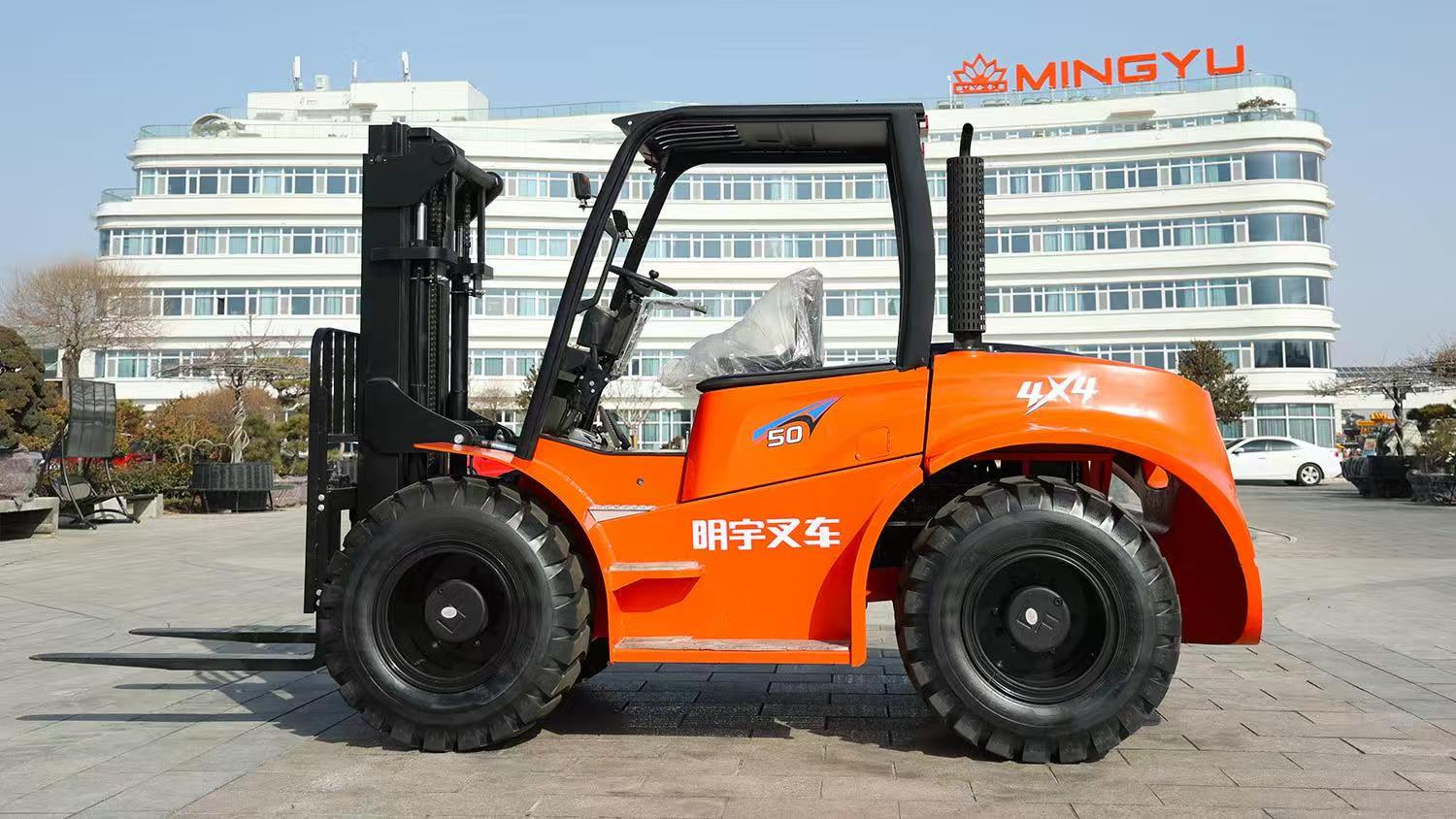
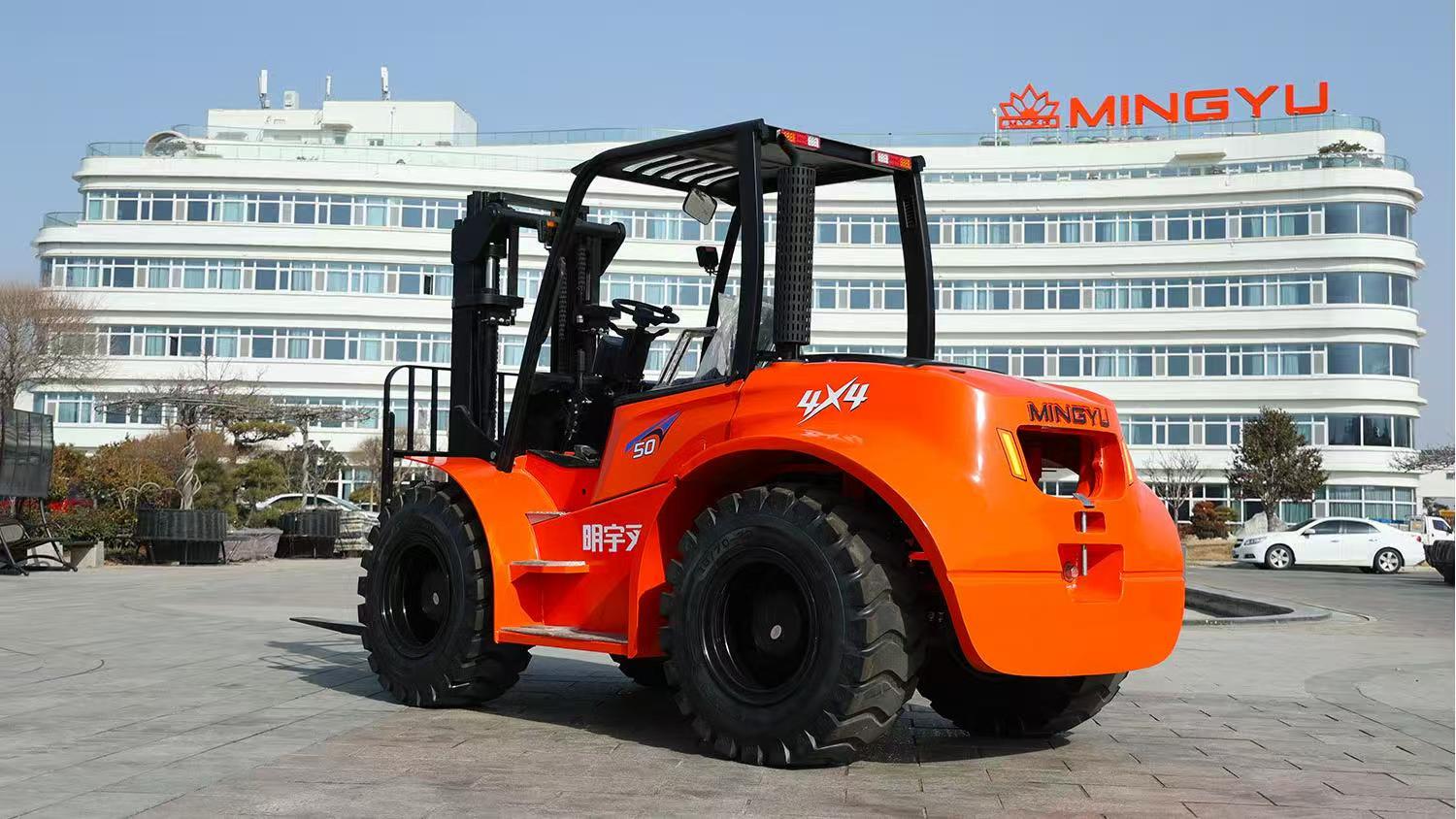
Rough terrain forklifts
Each type may require slightly different training depending on the job environment.
3. Who Needs Forklift Certification?
Anyone who operates a forklift as part of their job must be certified. This includes workers in:
Warehouses
Distribution centers
Construction sites
Manufacturing plants
Shipping yards
Employers are responsible for ensuring that their workers are properly trained and certified before operating equipment.
To qualify, individuals generally must:
Be at least 18 years old
Have the physical ability to operate machinery
Understand basic safety instructions
No prior experience is required in most cases, making it accessible for beginners.
4. Forklift Certification Requirements
Before starting your certification journey, it’s important to understand the basic requirements. These may vary slightly depending on location and employer, but generally include:
Minimum Age: At least 18 years old
Physical Fitness: Ability to operate machinery safely (vision, coordination, alertness)
Basic Education: Understanding of safety signs, instructions, and procedures
Training Completion: Both classroom and hands-on training
You don’t need a driver’s license to operate a forklift, but you must demonstrate competency in a controlled work environment.
5. Step-by-Step Process to Get Forklift Certified
Step 1: Choose the Right Training Program
The first step is selecting a training program that meets safety standards. You have two main options:
Online Training: Convenient and flexible for learning theory
In-Person Training: Offers hands-on experience and direct instruction
Many employers also provide on-site training, which is often the best option if you already have a job lined up.
Step 2: Complete Classroom Training
This part focuses on theoretical knowledge, including:
Forklift types and components
Workplace safety rules
Load handling techniques
Hazard recognition
You’ll learn how to prevent accidents, which is a critical part of certification.
Step 3: Pass the Written Test
After completing the theory portion, you’ll take a written exam. This is usually a multiple-choice test covering:
Safety procedures
Equipment operation
Emergency protocols
Most programs allow you to retake the test if needed, so don’t worry if you don’t pass on the first try.
Step 4: Hands-On Practical Training
This is where you apply what you’ve learned. Under supervision, you will practice:
Starting and stopping the forklift
Steering and maneuvering
Lifting and stacking loads
Operating in tight spaces
Practical training is essential for building confidence and real-world skills.
Step 5: Pass the Practical Evaluation
A certified trainer will evaluate your ability to operate the forklift safely. You may be asked to:
Complete a set course
Handle loads correctly
Demonstrate safety awareness
Passing this step proves you are ready to operate equipment in a real work environment.
Step 6: Receive Your Certification
Once you pass both the written and practical tests, you’ll receive your forklift certification. This may come in the form of:
A certificate
A wallet card
Employer documentation
Certification is typically valid for three years.
6. How Long Does It Take to Get Certified?
The time required to become forklift certified is relatively short compared to other certifications.
Experienced workers: 1 day
Beginners: 2–5 days
Comprehensive programs: Up to 1 week
Online courses can be completed at your own pace, while in-person training may follow a fixed schedule.
7. Cost of Forklift Certification
The cost of certification can vary depending on the training provider and format.
Online courses: $50–$100
In-person training: $100–$200
Employer-sponsored training: Often free
While cost is important, it’s better to choose a reputable program that provides proper training and evaluation.
8. Online vs In-Person Forklift Training
Both options have their advantages:
Online Training:
Flexible schedule
Lower cost
Good for theory learning
In-Person Training:
Hands-on experience
Direct instructor feedback
Better for beginners
In most cases, a combination of both is ideal—online theory plus in-person practical training.
9. Forklift License Renewal and Recertification
Forklift certification is not permanent. It typically expires after three years, and operators must renew it to stay compliant.
Recertification may also be required if:
You are involved in an accident
You operate a different type of forklift
Your employer observes unsafe operation
Refresher training ensures that operators stay updated on safety practices.
10. Common Mistakes to Avoid
When pursuing forklift certification, avoid these common pitfalls:
Choosing unrecognized or low-quality training programs
Skipping practical training
Not taking safety rules seriously
Letting certification expire
These mistakes can limit job opportunities and increase workplace risks.
11. Benefits of Being Forklift Certified
Getting certified offers several advantages:
Better Job Opportunities: Many employers require certification
Higher Pay: Certified operators often earn more
Improved Safety: Reduces risk of accidents
Career Growth: Opens doors to supervisory roles
Certification shows employers that you are skilled, responsible, and safety-conscious.
12. Tips to Pass Forklift Certification Easily
To improve your chances of success:
Study safety guidelines carefully
Pay attention during training sessions
Practice as much as possible
Ask questions if unsure
Stay calm during tests
Confidence and preparation are key to passing both the written and practical exams.
13. Conclusion
Becoming forklift certified is a smart investment in your career. The process is straightforward, affordable, and can be completed in a short amount of time. More importantly, it equips you with the skills and knowledge needed to operate machinery safely and efficiently.
Whether you're entering the workforce or looking to advance in your current job, forklift certification can open new opportunities and increase your earning potential. Start your training today and take the first step toward a safer and more successful caree
Post time:Apr.03.2026
