
How to Finance a Heavy-Duty Diesel Wheel Loader for a Small Business?
1. Introduction
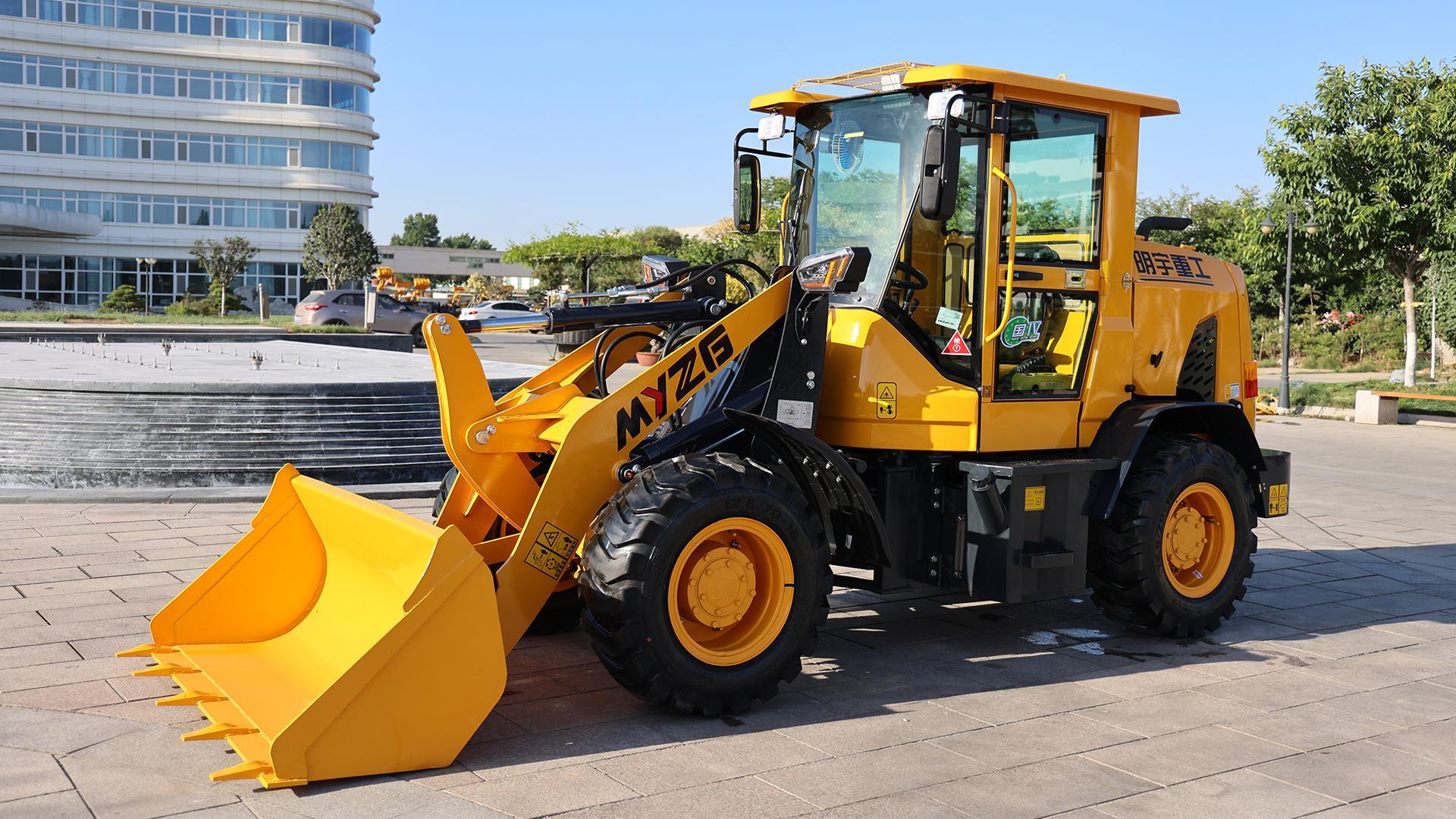
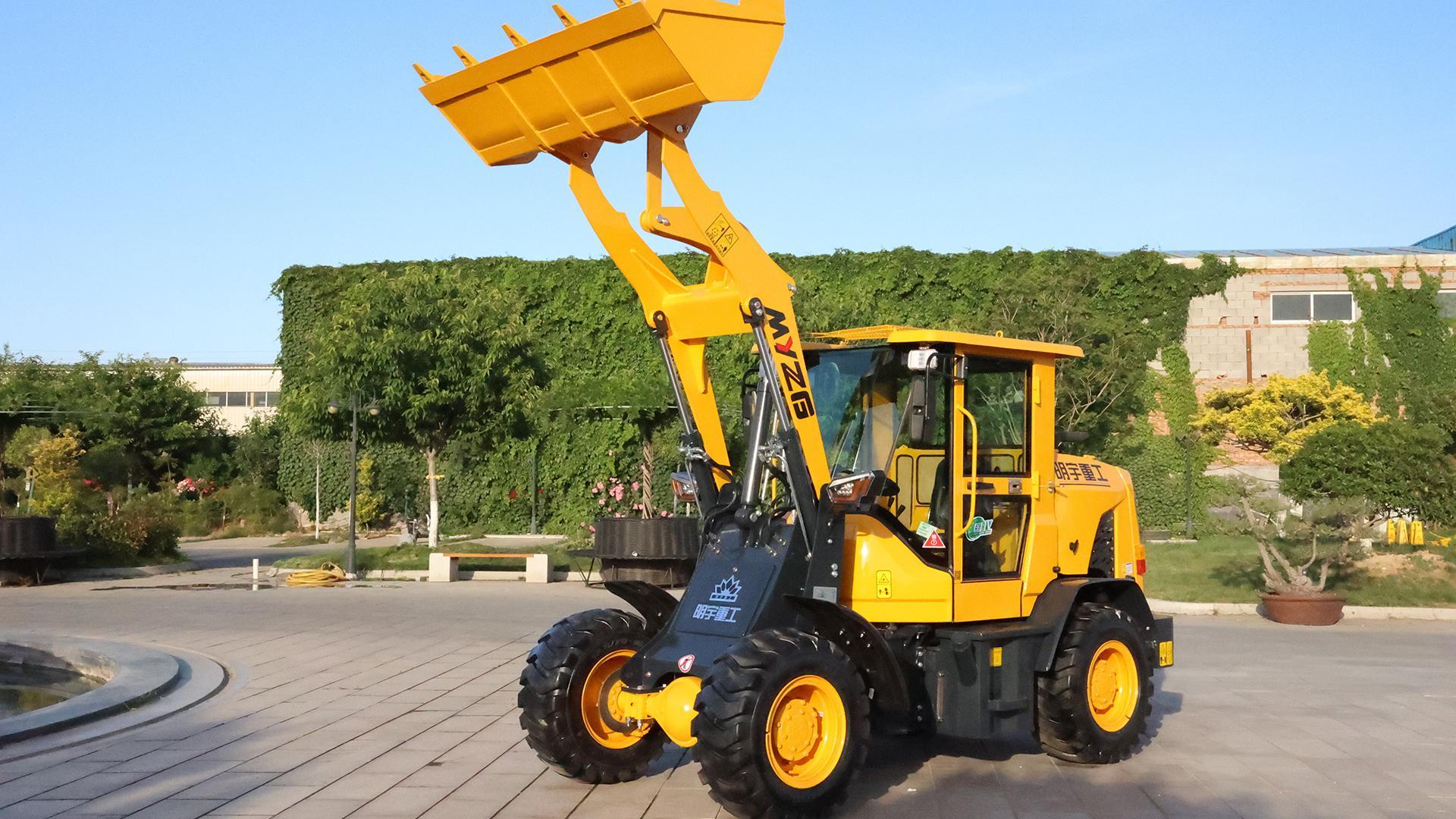
Heavy-duty diesel wheel loaders are essential machines in industries such as construction, agriculture, mining, road maintenance, waste handling, and logistics. These powerful machines are designed to move large volumes of materials quickly and efficiently, helping businesses improve productivity and reduce labor costs. For many small businesses, owning a wheel loader can create new business opportunities, increase operational capacity, and improve competitiveness in the market.
However, purchasing a heavy-duty diesel wheel loader requires a significant financial investment. Depending on the machine size, engine power, attachments, and brand, the price of a new wheel loader can range from tens of thousands to several hundred thousand dollars. For small businesses with limited cash flow, paying the full amount upfront may not be practical. In addition to the purchase price, businesses must also consider ongoing costs such as fuel, maintenance, insurance, transportation, and operator training.
This is why financing has become one of the most common solutions for small businesses acquiring heavy equipment. Financing allows companies to spread the cost of the machine over several years while continuing to preserve working capital for daily operations, payroll, inventory, and business expansion. Whether through equipment loans, leasing programs, dealer financing, or alternative lenders, businesses today have access to multiple financing options tailored to different financial situations.
Choosing the right financing solution is not only about securing approval. It also involves understanding interest rates, repayment terms, ownership benefits, tax considerations, and long-term operational goals. A poorly structured financing agreement can create financial pressure, while the right financing plan can help a business grow sustainably and profitably.
This article explains how small businesses can successfully finance a heavy-duty diesel wheel loader. It covers equipment costs, financing methods, approval tips, leasing versus buying decisions, common mistakes to avoid, and future trends in heavy equipment financing. By understanding these factors, business owners can make informed decisions that support both operational efficiency and long-term financial stability.
2. Understanding the Cost of a Heavy-Duty Diesel Wheel Loader
2.1 Average Purchase Price
The price of a heavy-duty diesel wheel loader depends on several factors, including machine size, lifting capacity, engine performance, technology, and brand reputation. Compact wheel loaders designed for smaller construction or agricultural applications may cost between $30,000 and $80,000, while large heavy-duty models for mining or industrial use can exceed $200,000.
New machines generally offer better reliability, warranty protection, lower maintenance costs, and improved fuel efficiency. However, used wheel loaders are often attractive for small businesses with limited budgets because they require lower upfront investment.
Several key factors influence wheel loader pricing:
Engine horsepower
Bucket capacity
Hydraulic system performance
Emission compliance standards
Cab comfort and technology
Attachments and accessories
Brand reputation and resale value
Businesses should carefully compare machine specifications and expected productivity before making a purchase decision.
2.2 Additional Ownership Costs
The purchase price is only part of the total ownership cost. Small businesses must also account for:
Fuel consumption
Routine maintenance
Tire replacement
Hydraulic repairs
Insurance
Transportation and delivery
Operator wages and training
Spare parts inventory
Ignoring these costs can create financial difficulties after purchasing the equipment.
2.3 Why Financing Makes Sense for Small Businesses
Financing helps businesses avoid draining cash reserves. Instead of paying the entire equipment cost upfront, companies can spread payments over several years.
Major advantages include:
Better cash flow management
Ability to take on larger projects
Faster business expansion
Preservation of emergency funds
Potential tax benefits through depreciation or lease deductions
For many small businesses, financing makes heavy equipment ownership achievable and sustainable.
3. Preparing Your Business for Equipment Financing
3.1 Evaluate Your Business Needs
Before applying for financing, businesses should determine exactly what type of wheel loader they need. Buying equipment that is too large may create unnecessary expenses, while undersized equipment may reduce productivity.
Important considerations include:
Material type and density
Daily workload
Job site conditions
Required lifting capacity
Future business growth
Careful planning improves investment efficiency.
3.2 Check Your Financial Position
Lenders evaluate financial stability before approving equipment financing. Businesses should review:
Credit score
Monthly revenue
Existing debts
Cash flow stability
Profit margins
Strong financial performance usually results in lower interest rates and better financing terms.
3.3 Gather Required Documents
Most lenders request:
Business registration documents
Tax returns
Bank statements
Financial reports
Equipment quotations
Proof of contracts or business activity
Preparing these documents in advance speeds up the approval process.
4. Main Financing Options for Diesel Wheel Loaders
4.1 Equipment Loans
Equipment loans are one of the most common financing methods. The lender provides funds to purchase the wheel loader, and the machine itself usually serves as collateral.
Benefits include:
Ownership after loan completion
Fixed monthly payments
Long repayment terms
Disadvantages may include higher upfront down payments and interest costs.
4.2 Equipment Leasing
Leasing allows businesses to use the equipment without full ownership.
Two common lease types are:
Operating lease
Finance lease
Leasing offers:
Lower upfront costs
Easier equipment upgrades
Flexible contract structures
However, long-term leasing may cost more than purchasing.
4.3 Dealer Financing
Many equipment manufacturers and dealers provide in-house financing programs.
Advantages include:
Faster approvals
Promotional interest rates
Simplified paperwork
Dealer financing is especially useful for businesses with urgent equipment needs.
4.4 Bank Financing
Traditional banks often provide commercial equipment loans with competitive interest rates.
Banks may require:
Strong credit history
Financial statements
Larger down payments
Approval may take longer, but borrowing costs can be lower.
4.5 Online and Alternative Lenders
Alternative financing companies provide faster approvals and more flexible credit requirements.
Benefits include:
Quick application process
Financing for newer businesses
Flexible repayment structures
The trade-off is often higher interest rates.
4.6 Government and Development Programs
Some countries offer financing support for small businesses purchasing construction or agricultural equipment.
Programs may include:
Low-interest loans
Government guarantees
Equipment subsidies
Export financing assistance
Businesses should research local support programs before financing equipment.
5. Comparing Financing Options
5.1 Interest Rates
Interest rates significantly affect total financing cost.
Businesses should compare:
Fixed rates
Variable rates
Annual percentage rates (APR)
Even small differences in rates can impact long-term expenses.
5.2 Loan Terms
Longer loan terms reduce monthly payments but increase total interest costs.
Shorter terms offer:
Faster ownership
Lower total financing costs
Businesses should balance affordability with long-term profitability.
5.3 Down Payment Requirements
Higher down payments often result in:
Lower monthly payments
Better approval chances
Reduced interest costs
Some lenders also offer zero-down financing programs.
5.4 Total Cost of Ownership
Businesses should evaluate total ownership expenses, not just monthly payments.
Consider:
Insurance
Fuel
Maintenance
Taxes
Repairs
Resale value
5.5 Flexibility and Early Repayment
Some financing agreements include:
Balloon payments
Early repayment penalties
Refinancing options
Reading financing contracts carefully is extremely important.
6. Tips to Improve Financing Approval Chances
6.1 Improve Business Credit
Strong credit history improves financing opportunities.
Helpful strategies include:
Paying suppliers on time
Reducing existing debt
Maintaining healthy cash flow
6.2 Increase Down Payment
Lenders prefer lower-risk borrowers. A larger down payment demonstrates financial stability and commitment.
6.3 Choose Reliable Equipment Brands
Machines with strong resale value are easier to finance because lenders view them as lower-risk assets.
6.4 Provide a Strong Business Plan
Lenders are more confident when businesses can demonstrate:
Stable customer demand
Existing project contracts
Revenue growth potential
A detailed business plan increases approval probability.
7. Leasing vs. Buying: Which Is Better for Small Businesses?
7.1 Advantages of Leasing
Leasing is ideal for businesses wanting flexibility and lower upfront costs.
Benefits include:
Lower monthly payments
Easier upgrades
Reduced maintenance responsibilities
7.2 Advantages of Buying
Ownership provides:
Long-term cost savings
Asset value
Unlimited equipment usage
Better resale opportunities
7.3 Best Situations for Each Option
Leasing may suit:
Seasonal businesses
Startups
Companies with rapidly changing equipment needs
Buying may suit:
Long-term operators
High equipment usage businesses
Companies focused on long-term asset building
8. Common Mistakes to Avoid
Many businesses make costly financing mistakes, including:
Borrowing beyond repayment capacity
Ignoring maintenance costs
Choosing equipment based only on price
Failing to compare financing offers
Not reviewing contract terms carefully
Careful planning reduces financial risk.
9. Future Trends in Heavy Equipment Financing
9.1 Digital Financing Platforms
Online financing platforms now offer:
Faster approvals
Digital document submission
Automated credit evaluation
Technology is simplifying the financing process.
9.2 Usage-Based Financing
Some companies now provide flexible payment models based on equipment operating hours.
This reduces financial pressure during slow business periods.
9.3 Environmental Regulations
As emission standards become stricter, financing conditions for diesel equipment may gradually change.
Some lenders may favor:
Stage V diesel equipment
Hybrid machines
Electric construction equipment
Businesses should monitor industry trends carefully.
10. Conclusion
Financing a heavy-duty diesel wheel loader allows small businesses to access modern equipment without exhausting cash reserves. By understanding equipment costs, financing methods, loan structures, and long-term ownership expenses, businesses can make smarter investment decisions.
Whether choosing an equipment loan, lease agreement, dealer financing, or bank loan, the most important factor is selecting a financing solution that matches the company’s operational needs and financial capacity. Careful planning, strong financial preparation, and proper equipment selection can significantly improve profitability and reduce financial risk.
As technology and financing solutions continue to evolve, small businesses will have even more opportunities to acquire advanced heavy equipment with greater flexibility and efficiency. Choosing the right financing strategy today can support sustainable business growth for years to come.

Post time:May.20.2026
