
How Much Does It Cost to Rent a Backhoe? A Complete Pricing Guide
1. Introduction
Backhoes are versatile machines widely used in construction, landscaping, excavation, and utility work. With their combination of a front loader and a rear digging arm, they can handle a variety of tasks, from digging trenches to moving heavy materials. For many businesses and homeowners, renting a backhoe is a cost-effective solution compared to buying one, especially for short-term projects or occasional use.
Understanding how much it costs to rent a backhoe can be confusing. Prices vary depending on the size of the machine, rental duration, location, attachments, and whether you need an operator. In this guide, we will break down everything you need to know about backhoe rental costs, how to save money, and tips for getting the right machine for your project.
2. What Is a Backhoe and When Do You Need One?
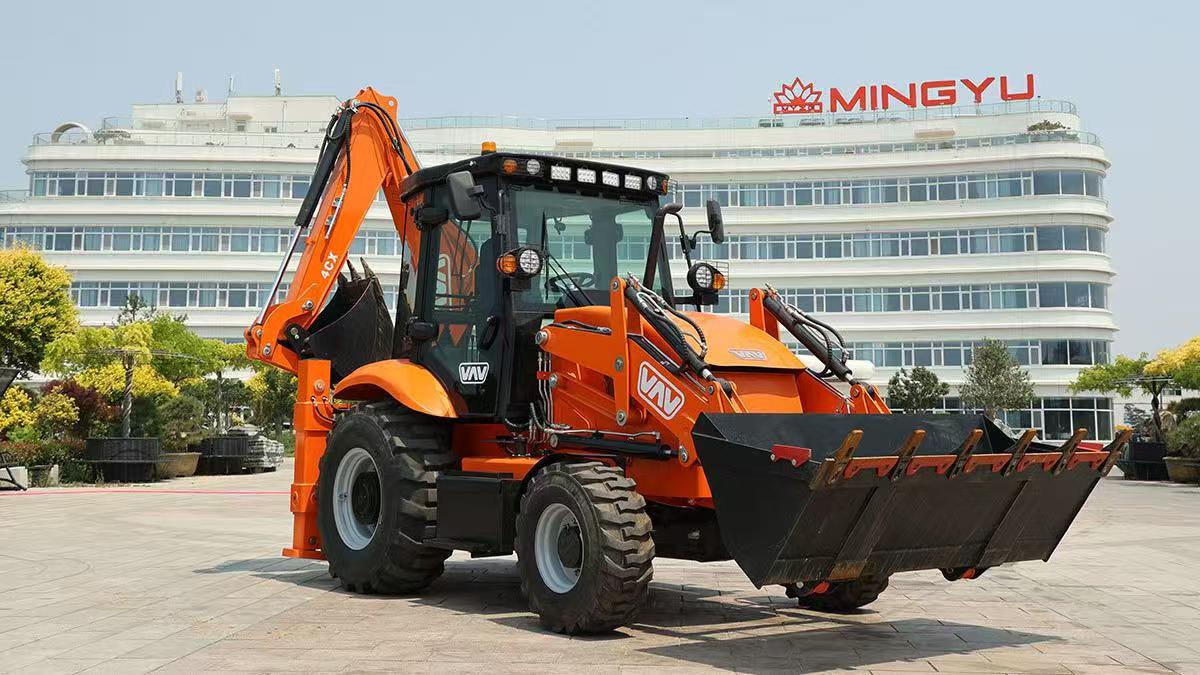
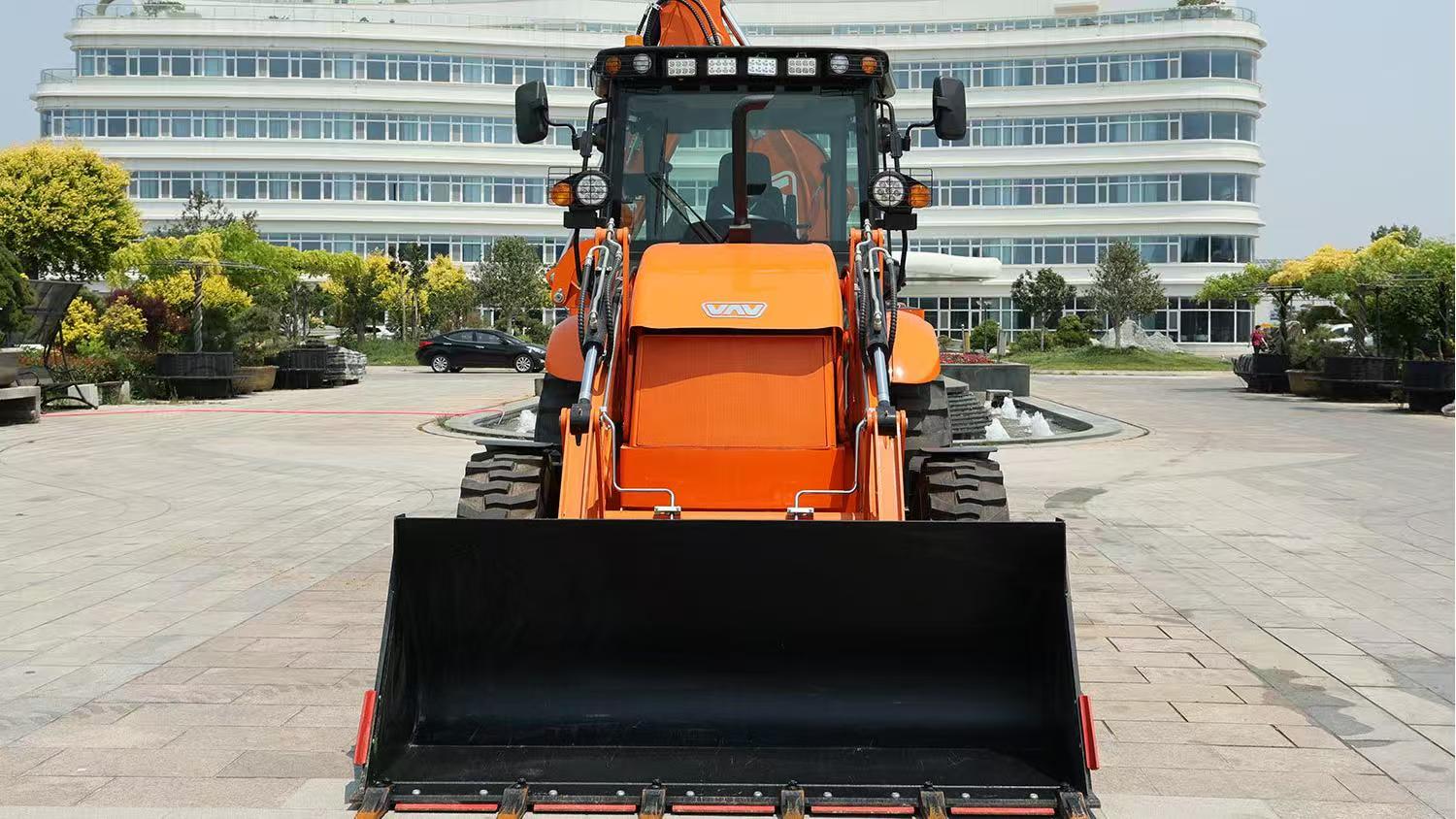
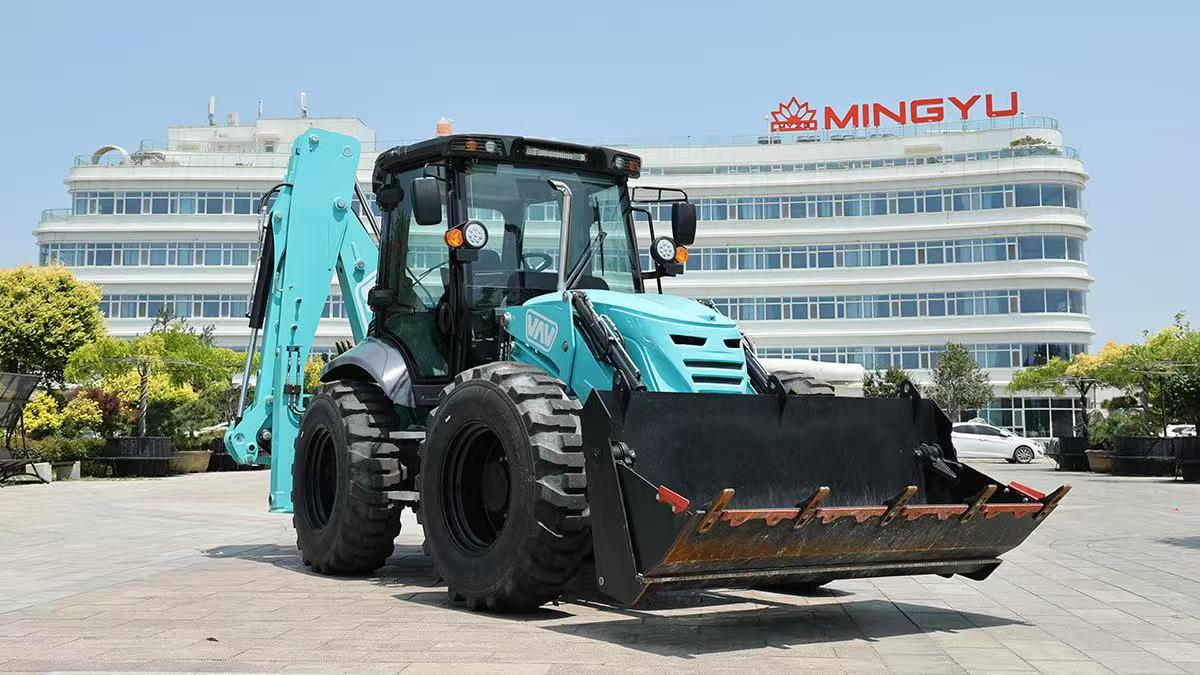
A backhoe is a piece of heavy equipment that combines a front-end loader and a rear excavating arm. This dual functionality allows it to perform a wide range of tasks efficiently. Some common applications include:
Digging trenches: Ideal for plumbing, electrical lines, or landscaping projects.
Landscaping: Moving soil, mulch, or gravel, and grading land.
Demolition: Small-scale demolition of concrete, asphalt, or structures.
Utility work: Digging holes for poles, installing pipes, and other maintenance tasks.
By understanding the purpose of a backhoe, you can determine whether renting one will save time and labor on your project.
3. Average Cost to Rent a Backhoe
Backhoe rental costs depend largely on rental duration and machine type. Here’s an overview:
Hourly rates: $50–$100 per hour, suitable for very short jobs.
Daily rates: $200–$500 per day, the most common rental option.
Weekly rates: $1,000–$2,500 per week, often cheaper than multiple daily rentals.
Monthly rates: $3,000–$6,000 per month, cost-effective for long-term projects.
These prices are approximate and can vary depending on your location, the rental company, and the equipment model.
4. Backhoe Rental Rates by Time Period
Hourly Rentals
Hourly rentals are perfect for projects that require only a few hours of digging or loading. They are usually more expensive per hour compared to daily rates but provide flexibility for very short tasks.
Daily Rentals
Daily rates are the most popular choice. Renting by the day ensures that the machine is available for a full workday, making it ideal for projects that take several hours or a full day to complete. Daily rentals usually include standard delivery, but check with your rental company.
Weekly and Monthly Rentals
For larger projects, weekly or monthly rentals can save money. Many rental companies offer discounted rates for long-term rentals. Monthly rentals are often the most economical option for contractors who need a backhoe for extended periods.
5. Factors That Affect Backhoe Rental Costs
Several factors influence the total cost of renting a backhoe:
Machine Size and Type
Backhoes come in various sizes:
Mini backhoes: Smaller, compact, ideal for residential or light landscaping work.
Standard backhoes: Suitable for most construction projects.
Large backhoes: Heavy-duty machines for industrial or large-scale excavation projects.
Larger machines usually cost more to rent, but they handle bigger tasks efficiently.
Location
Rental prices vary depending on your region. Urban areas tend to have higher rates due to demand, while rural locations might offer lower prices. Delivery distance also affects cost.
Rental Duration
Longer rentals typically reduce the daily cost. A weekly rental is usually cheaper per day than consecutive daily rentals.
Attachments
Backhoes can use various attachments like augers, breakers, or specialized buckets. These attachments often add to the rental price but can increase efficiency for specific tasks.
Brand and Model
Premium brands may charge higher rental fees, while standard or older models are more affordable.
Delivery and Pickup Fees
Some rental companies charge for transporting the backhoe to and from your site. This can be a significant cost if your project location is far from the rental company.
Insurance and Damage Waivers
Many rental agreements require insurance coverage or offer damage waivers. While this adds to the total cost, it protects you from potential repair expenses.
6. Cost of Renting a Backhoe with Operator
In some cases, you might not have the experience to operate a backhoe safely. Hiring an operator from the rental company can add $50–$100 per hour. While this increases costs, it ensures safety and efficiency, especially for complex projects. It also prevents potential damage to the machine and liability issues.
7. Backhoe Rental vs Buying
Renting a backhoe is often more cost-effective for short-term projects. Purchasing a backhoe involves a significant upfront investment, maintenance, insurance, and storage costs. Renting allows you to:
Avoid maintenance responsibilities
Pay only for the days you need the machine
Access a variety of sizes and attachments
However, if you require a backhoe regularly, owning might make financial sense in the long term.
8. Where to Rent a Backhoe
Backhoes can be rented from:
Equipment rental companies: National chains like United Rentals or Sunbelt Rentals.
Local contractors or construction firms: Often have smaller fleets for community projects.
Online rental platforms: Websites like EquipmentShare or BigRentz allow price comparison and delivery scheduling.
Always compare quotes from multiple sources to get the best price and terms.
9. Tips to Save Money on Backhoe Rentals
Book in advance: Early reservations can secure better rates.
Choose the right size: Avoid overpaying for a machine larger than needed.
Avoid unnecessary attachments: Only rent what is essential.
Compare multiple quotes: Different companies may have significant price differences.
Rent during off-peak seasons: Prices may drop when demand is lower.
10. Hidden Costs to Watch Out For
Even with a clear rental fee, other costs can arise:
Fuel charges if not included in the rental
Late return fees if the machine is returned after the agreed time
Cleaning fees if the backhoe is excessively dirty
Damage penalties for wear or accidents
Always review the rental agreement carefully.
11. Common Mistakes When Renting a Backhoe
Avoid these mistakes to prevent overspending and project delays:
Choosing the wrong size or type of backhoe
Not checking rental terms and insurance coverage
Ignoring fuel and delivery costs
Underestimating the project duration
Proper planning ensures a smoother rental experience.
12. FAQs
Q1: Do I need a license to rent a backhoe?
In most locations, you don’t need a special license, but some rental companies may require proof of experience.
Q2: Can I rent a backhoe for just a few hours?
Yes, but hourly rates are higher. For multiple hours, daily rental is usually more cost-effective.
Q3: Is fuel included in the rental price?
Not always. Most companies require the machine to be returned with the same fuel level as at delivery.
Q4: What size backhoe should I choose?
Choose based on your project scope: mini for small landscaping, standard for medium jobs, and large for industrial excavation.
13. Conclusion
Renting a backhoe is a practical solution for many construction, landscaping, and utility projects. Understanding the costs, factors affecting pricing, and options for rental duration helps you make an informed decision. By planning ahead, comparing quotes, and selecting the right size and attachments, you can complete your project efficiently while controlling expenses.
Whether you are a homeowner tackling a landscaping project or a contractor managing a construction site, renting the right backhoe at the right price can save time, reduce labor, and improve overall project outcomes.
Post time:Apr.03.2026
