
The cost of a forklift varies widely, typically ranging from $15,000 to $100,000 or more, depending on numerous factors. At its core, the price is influenced by the forklift’s type, capacity, brand, and condition. For instance, a standard electric forklift might start at around $20,000, while a heavy-duty internal combustion model can exceed $50,000. Key factors include lifting capacity (e.g., 3,000 to 10,000 pounds), power source (electric, diesel, gasoline, or propane), and features like mast height and attachments. Brand reputation also plays a significant role; established manufacturers like Toyota, Crown, and Yale often command premium prices due to reliability and after-sales support. Additionally, new versus used equipment drastically affects cost, with used forklifts offering savings of 30% to 50%. Market conditions, such as supply chain disruptions or technological advancements, can cause fluctuations. For example, the shift toward automation has introduced higher-priced smart forklifts with integrated IoT sensors. Overall, understanding these variables helps buyers budget effectively and avoid hidden expenses like maintenance or fuel costs over the equipment’s lifespan. This section delves into each factor, providing real-world examples and data from industry reports to illustrate how costs accumulate. By examining case studies from warehouses and manufacturing plants, we highlight the importance of matching forklift specifications to operational needs to optimize investment. In sum, a forklift is a substantial capital expenditure, and a thorough cost analysis is essential for long-term profitability.
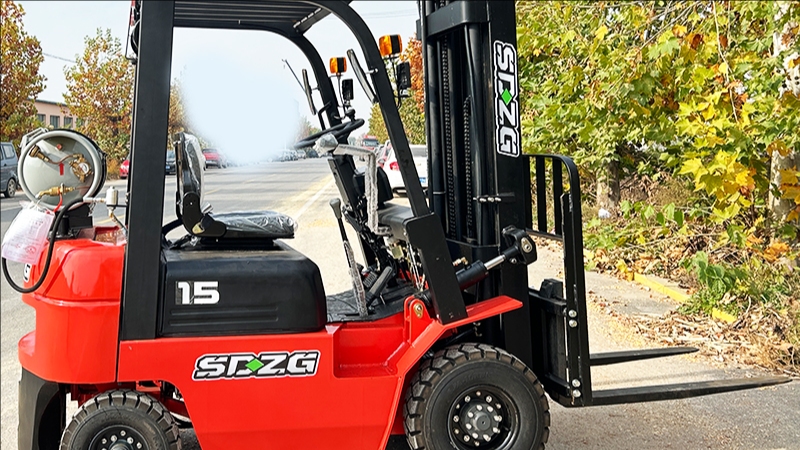
Different types of forklifts come with distinct price tags, largely driven by their power sources and design. Electric forklifts, for example, are increasingly popular due to environmental benefits and lower operating costs, but their upfront price is higher, often between $25,000 and $45,000 for a standard model. This includes lithium-ion batteries, which add $5,000 to $10,000 but offer longer life and faster charging. In contrast, internal combustion forklifts, powered by diesel or gasoline, are generally cheaper initially, ranging from $15,000 to $35,000, but incur higher fuel and maintenance expenses over time. Propane models fall in between, with costs around $20,000 to $40,000. Specialized forklifts, such as rough-terrain or telehandlers, can cost $50,000 to $100,000 due to their robust construction and higher capacities. Brand differences further complicate pricing: Toyota’s electric forklifts might cost 10-15% more than lesser-known brands, but they often come with better warranties and resale value. Additionally, attachments like clamps or forks can add $1,000 to $5,000. Market trends show a rising demand for electric forklifts, driven by sustainability goals, which is gradually reducing their cost through economies of scale. This segment explores these variations in detail, citing industry data from sources like the Industrial Truck Association to show how power source choice impacts total cost of ownership. By comparing operational scenarios, such as indoor versus outdoor use, we illustrate why some businesses opt for pricier electric models despite the initial investment. Ultimately, selecting the right type requires balancing upfront costs with long-term savings and operational efficiency.
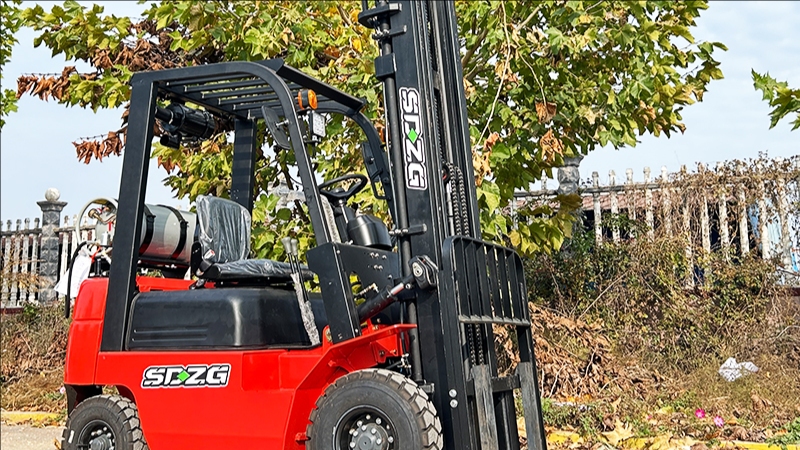
For businesses seeking affordability, the used forklift market and rental options present viable alternatives. Used forklifts can cost between $5,000 and $30,000, offering significant savings, but they come with risks like wear and tear or outdated technology. Prices depend on age, hours of use, and maintenance history; for example, a 5-year-old electric forklift with low hours might sell for $15,000, half the price of a new one. It’s crucial to inspect components like the mast, tires, and battery to avoid hidden repair costs. Certified pre-owned programs from dealers add 10-20% to the price but provide warranties and peace of mind. Meanwhile, renting a forklift costs $500 to $2,000 per month, depending on type and duration, making it ideal for short-term projects or seasonal demand. Leasing is another option, with monthly payments that include maintenance, often totaling $20,000 to $40,000 over a 3-5 year term. This flexibility helps companies manage cash flow without committing to ownership. The used market is influenced by economic cycles; during downturns, prices drop as businesses liquidate assets. This section analyzes case studies from logistics companies that have successfully integrated used or rented forklifts, highlighting cost-benefit analyses. We also discuss online platforms and auctions where buyers can find deals, emphasizing the importance of due diligence. By weighing pros and cons, businesses can decide whether used or rental options align with their financial strategies and operational needs.
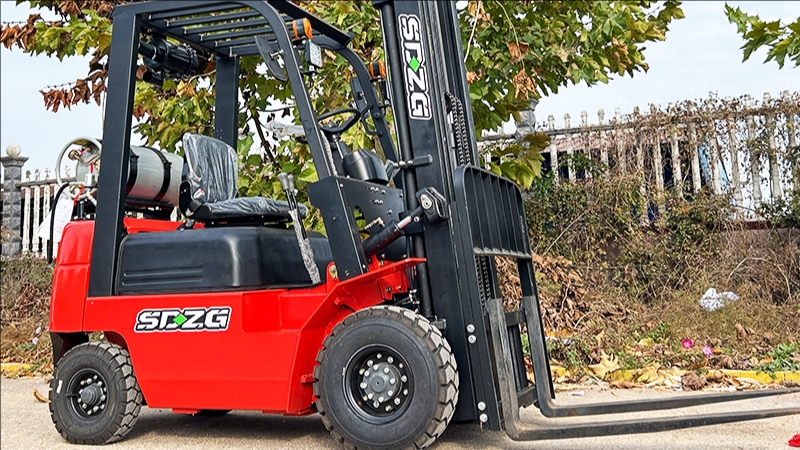
Looking ahead, forklift costs are evolving with technological advancements and market shifts. The rise of automation and electric propulsion is driving initial prices up but reducing long-term expenses. For instance, autonomous forklifts with AI capabilities can cost $50,000 to $100,000, yet they cut labor costs by up to 30% through efficiency gains. Similarly, hydrogen fuel cell forklifts are emerging as a premium option, priced 20-30% higher than electric models but offering faster refueling and zero emissions. Government regulations and sustainability incentives may further impact costs, with subsidies lowering effective prices for eco-friendly models. Market forecasts from agencies like Market Research Future predict a 6% annual growth in the forklift market, potentially stabilizing prices through competition. Long-term cost considerations include total cost of ownership (TCO), which encompasses maintenance, energy, and disposal. For example, electric forklifts have a TCO of $40,000 over 10 years, compared to $60,000 for diesel models, due to lower fuel and repair costs. This segment explores these trends, using data from industry reports to project how costs might change by 2030. We also examine global factors, such as raw material prices and trade policies, that could influence manufacturing expenses. By planning for these developments, businesses can invest in forklifts that offer not only immediate value but also future-proofing against obsolescence. In conclusion, while upfront costs are important, a strategic view on trends ensures sustainable procurement and operational excellence.
Post time:Dec.03.2025
