
In the fast-paced world of logistics and supply chain management, the efficiency of loading and unloading delivery trucks stands as a critical determinant of operational success. Businesses across industries—from retail and manufacturing to e-commerce and distribution—constantly seek equipment that can streamline these processes, reduce labor costs, and minimize product damage. Among the array of material handling tools available, stackers have emerged as a versatile option, but a pressing question lingers: Can a stacker be effectively used for loading and unloading delivery trucks? To address this, we must first examine the core functionality of stackers, their design specifications, and how they align with the unique demands of truck loading and unloading operations.
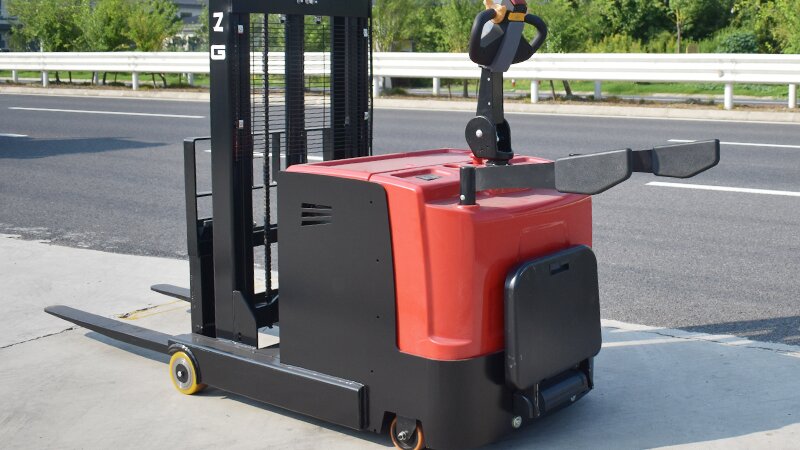
Stackers, often categorized as light to medium-duty material handling equipment, are primarily designed for lifting, stacking, and transporting palletized goods within confined spaces such as warehouses, distribution centers, and retail backrooms. Unlike forklifts, which are heavier and more powerful, stackers are typically more compact, maneuverable, and cost-effective, making them a popular choice for businesses with limited space or lower lifting capacity requirements. Their design usually includes a mast, a lifting platform or forks, and a wheeled base—either manual, semi-electric, or fully electric—allowing for easy navigation in tight areas. However, the transition from indoor stacking to outdoor or semi-outdoor truck loading/unloading introduces a new set of challenges, including uneven surfaces, varying truck heights, and the need for precise load placement.
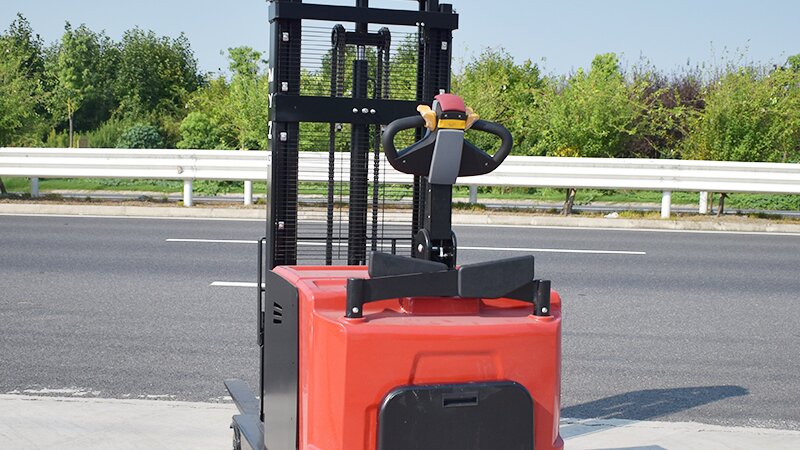
To evaluate the viability of stackers for truck-related tasks, it is essential to consider the diverse types of stackers available in the market. Manual stackers, operated by hand cranks or hydraulic pumps, are suitable for light loads (usually up to 1,000 kg) and short lifting heights. Semi-electric stackers combine manual propulsion with electric lifting, offering more efficiency for medium loads (1,000–2,000 kg), while fully electric stackers provide both electric propulsion and lifting, capable of handling heavier loads (up to 3,000 kg) and longer operating hours. Each type presents distinct advantages and limitations when it comes to loading and unloading delivery trucks, which we will explore in detail throughout this article.
Post time:Dec.02.2025
