
The cost of a new rough terrain diesel forklift represents a significant capital investment for businesses in construction, agriculture, lumber, and other industries that operate on unpaved, uneven ground. Unlike their indoor electric counterparts, these machines are built with heavy-duty frames, large pneumatic tires, and powerful diesel engines designed for stability and traction in challenging conditions. When asking "how much," the answer is not a single figure but a range, typically starting from around sixty thousand dollars and extending well over one hundred and fifty thousand dollars. This broad spectrum is primarily dictated by the forklift's fundamental capability: its lifting capacity. A compact model with a five-thousand-pound capacity will sit at the lower end of the price scale, while a heavy-duty machine capable of lifting fifteen thousand pounds or more will command a proportionally higher price. Beyond raw power, the choice of mast type significantly influences cost; a standard two-stage mast is more economical, whereas a tri-stage or quad-stage mast that provides greater lift height for stacking adds complexity and expense. The brand name on the side also carries weight, with established manufacturers like Toyota, Caterpillar, and John Deere often priced at a premium due to their reputations for durability, extensive dealer networks, and resale value. Ultimately, the starting price is a reflection of the machine's intended duty cycle and the engineering required to perform reliably outdoors, where factors like ground pressure, engine torque, and component ruggedness are paramount.
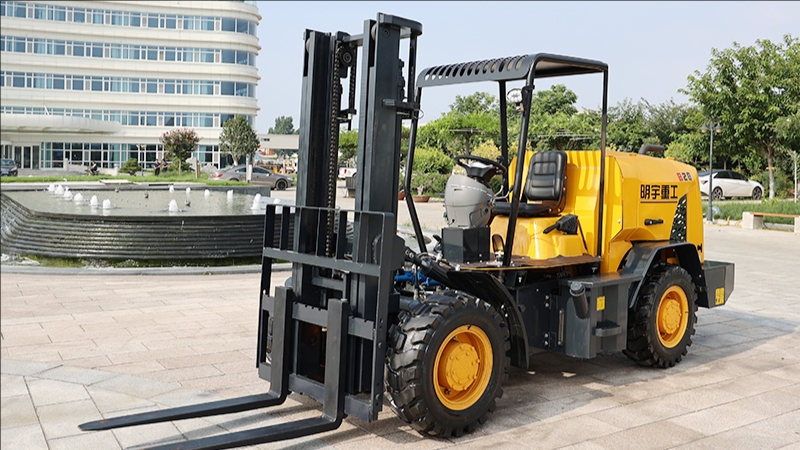
Delving into specific market examples provides a clearer picture of current pricing. For a standard new rough terrain diesel forklift with a capacity in the six-thousand to eight-thousand-pound range, buyers can generally expect to invest between eighty thousand and one hundred and twenty thousand dollars. This price bracket typically includes models from major manufacturers with basic but robust specifications suitable for general material handling on a job site. However, the market segment for telehandlers, which are essentially rough terrain forklifts with a telescopic boom, encompasses even higher price points. These versatile machines, offered by brands like Genie and JLG, can reach prices from one hundred thousand dollars to over two hundred thousand dollars for high-capacity, high-reach models with advanced features. The configuration plays a massive role here. The base price often includes only standard forks, meaning specialized attachments like rotators, grapples, or jibs are costly extras. Furthermore, operator comfort and technology packages, such as enclosed cabs with air conditioning, advanced hydraulic control systems, and integrated load moment indicators for safety, can add tens of thousands to the final invoice. It is crucial for buyers to obtain detailed, model-specific quotes from dealers that itemize all desired features and attachments, as the difference between a base model and a fully equipped one can be as substantial as the purchase price of a smaller piece of equipment.
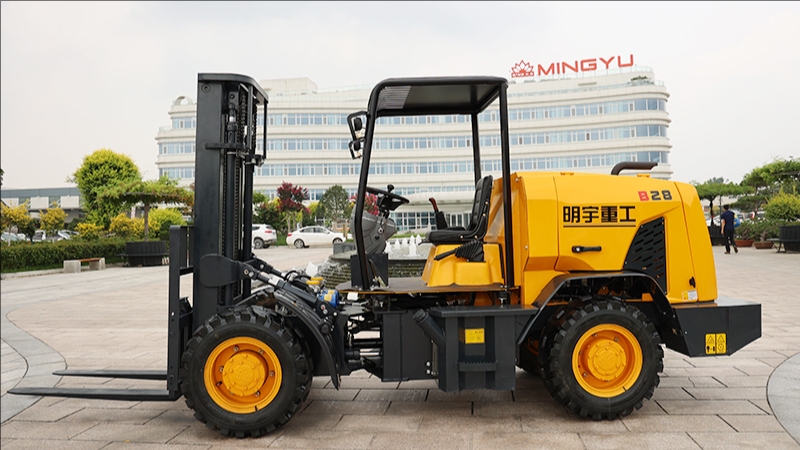
A truly informed purchasing decision must look beyond the initial sticker price and consider the Total Cost of Ownership, which encompasses all expenses over the machine's operational life. The most substantial ongoing cost is fuel; a diesel engine's consumption rate under heavy loads directly impacts daily operating expenses. Following closely are maintenance and repair costs, which include routine servicing like oil and filter changes, as well as eventual wear on major components such as tires, hydraulic pumps, and transmission parts. While a new forklift comes with a manufacturer's warranty, usually covering one to two years for major components, planning for post-warranty repairs is essential. The availability and cost of service from a local dealer are critical factors that can affect downtime and long-term maintenance costs. Additionally, operators must factor in indirect costs like insurance, which is necessary for valuable equipment on dynamic work sites, and potential financing charges if the machine is not purchased outright. A comprehensive financial analysis will often reveal that these operational and ownership costs, accumulated over five to ten years, can rival or even exceed the original purchase price. Therefore, selecting a machine known for fuel efficiency, reliability, and easy serviceability can lead to significant long-term savings, making a slightly higher upfront investment for a quality product a wise economic choice over time.
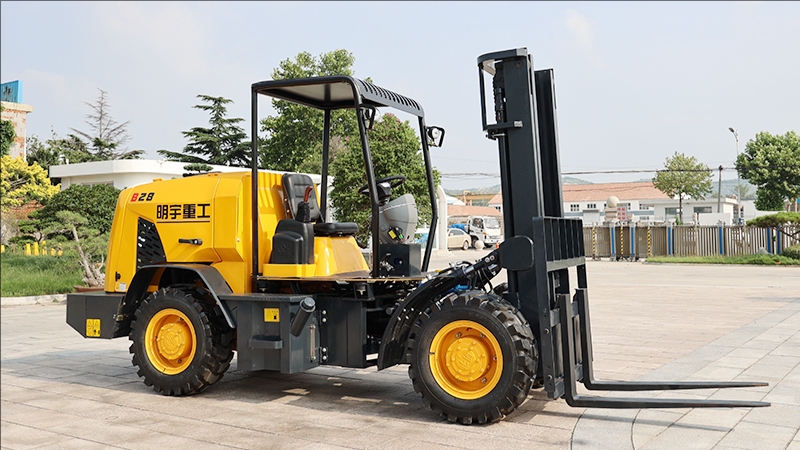
Finally, navigating the purchase process requires strategic planning and awareness of market dynamics. The current industrial landscape is characterized by extended lead times and potential price volatility due to global supply chain pressures affecting the availability of steel, electronic components, and engines. This makes planning and early engagement with dealers more important than ever. Buyers should conduct thorough due diligence, which includes not only comparing specifications and prices but also evaluating the reputation and support capabilities of the local dealership. A trustworthy dealer provides not just the sale but also reliable after-sales service, readily available parts, and expert technical support. For many businesses, exploring financing options like leasing or equipment loans can help manage cash flow while still acquiring the necessary machinery. The key is to approach the purchase as a long-term partnership with both the equipment and the supplier. By thoroughly defining operational needs, budgeting for the total cost of ownership, and choosing a reputable dealer, a company can secure a rough terrain diesel forklift that becomes a productive and profitable asset for years to come, efficiently tackling the toughest outdoor material handling tasks.
Post time:Dec.03.2025
