
The humble skid steer loader, a compact powerhouse ubiquitous on job sites and farms worldwide, derives its true potential not merely from its robust chassis and impressive hydraulic power, but from its unparalleled versatility. This versatility is almost entirely enabled by its universal quick-attach mounting system, a marvel of engineering that allows an operator to switch between a breathtaking array of specialized tools in mere minutes. At its core, the skid steer is a highly mobile hydraulic power plant on wheels, and the attachments are the instruments through which this power is applied. The most fundamental category is earthmoving and excavation. Beyond the standard bucket, which itself comes in various widths and materials (like rock buckets with reinforced floors), one finds trenching buckets for digging clean, narrow ditches, grading buckets with longer reach and straighter edges for precise contouring, and even snow buckets for efficient winter cleanup. For deeper, vertical excavation, hydraulic breakers can be mounted to demolish concrete or rock, while compactors are used to solidify soil in trenches or around foundations.
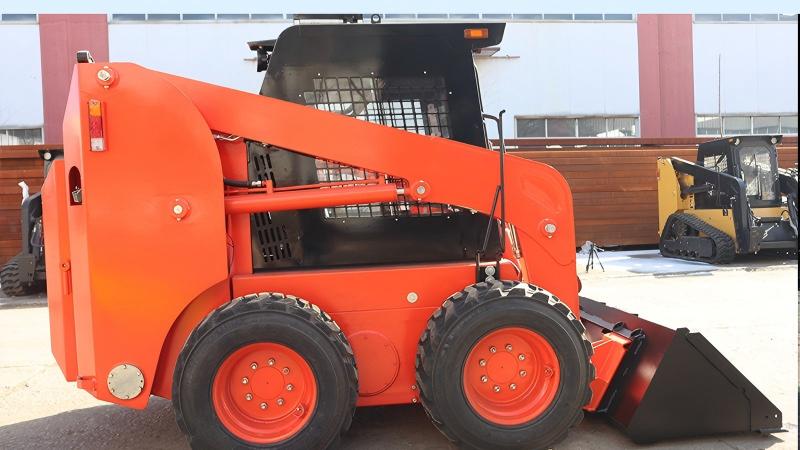
Venturing beyond digging, the skid steer becomes a material handling maestro. Pallet forks are indispensable for lifting and transporting loads on skids, from bricks and lumber to irrigation pipes and nursery stock. Grapples, whether mechanical or hydraulic, transform the machine into a precision tool for handling loose, bulky, or irregular materials. Root grapples with long, curved tines are perfect for clearing brush, logging, or managing storm debris, while rock grapples handle heavy, jagged stone. For the ultimate in lifting and placement, hydraulic jib booms or material arms can extend the machine's reach, allowing for precise setting of blocks, beams, or even rooftop HVAC units. Furthermore, a wide selection of utility grapples and clamps are designed for specific tasks like handling barrels, concrete pipes, or rolls of sod. This material handling prowess extends to agriculture with bale spears for hay and silage, and industrial settings with drum handlers and forklift-style attachments.
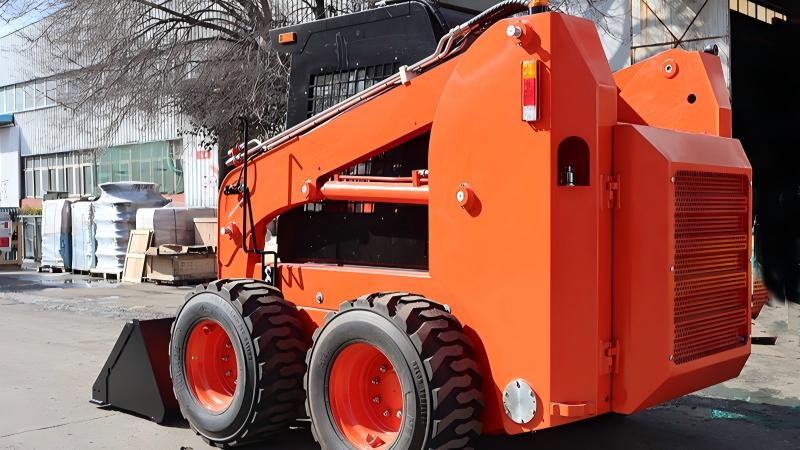
The skid steer's adaptability shines brilliantly in landscaping, forestry, and site maintenance. For cutting and vegetation control, operators can choose from rotary mowers (for rough fields), flail mowers (for finer, safer cutting near objects), and even sickle bar mowers for ditches. Brush cutters with heavy-duty carbide teeth can clear thick undergrowth and small trees. In forestry, dedicated tree shears make short work of thinning stands, and stump grinders remove unsightly and hazardous remains. For landscaping, tillers prepare garden beds, soil conditioners pulverize and mix soil, and seeders/fertilizer spreaders ensure even distribution. When winter arrives, the skid steer doesn't rest; it simply switches to a snow blade, a snow blower for deep drifts, or a salt/sand spreader to keep surfaces safe. Sweepers, both mechanical and air-powered, keep parking lots and streets clean year-round.
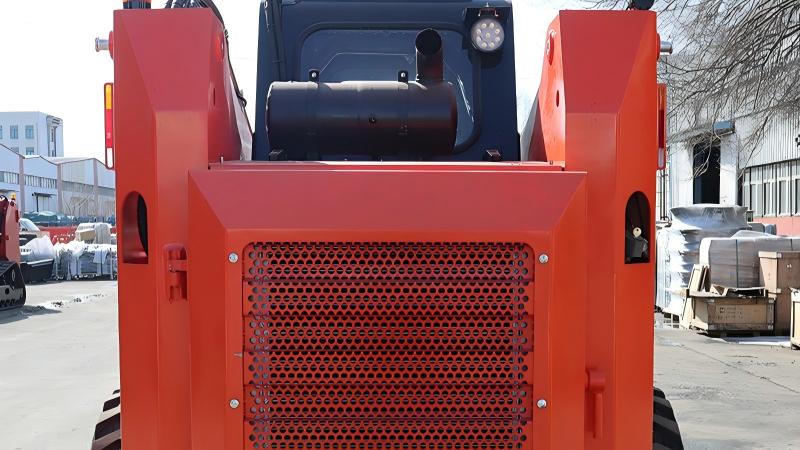
The innovation in skid steer attachments pushes into specialized and high-production realms. Augers, with diameters ranging from a few inches to several feet, are essential for drilling holes for fencing, planting, or foundation pilings. Planers and cold planers can mill and remove asphalt or concrete surfaces with precision. For concrete work, besides the common bucket, there are mixing attachments and power buggies for transport. Hydraulic post drivers and post hole diggers streamline fence building. In agricultural settings, manure spreaders, feed mixers, and barn cleaners leverage the skid steer's agility. The list continues with trenchers, asphalt pavers, compact roller attachments, and even high-flow hydraulic tools like forestry mulchers that can turn entire trees into mulch. Ultimately, the range of attachments is limited only by imagination and hydraulic capacity, making the skid steer loader arguably the most versatile and indispensable piece of mobile equipment in modern construction, agriculture, and industry.
Post time:Dec.26.2025
