
The question of whether a forklift can charge while being used has long lingered in the minds of warehouse managers, logistics directors, and industrial operators seeking to maximize efficiency and minimize downtime in material handling operations. For decades, traditional forklifts—whether powered by internal combustion engines or lead-acid batteries—required dedicated charging or refueling periods, creating bottlenecks in fast-paced environments where every minute of inactivity translates to lost productivity. However, recent advancements in battery technology, particularly the proliferation of lithium-ion (Li-ion) systems, and innovative charging solutions have turned this once-theoretical concept into a practical reality, reshaping the landscape of industrial equipment. Today, a growing number of manufacturers are introducing electric forklifts capable of simultaneous charging and operation, a breakthrough that promises to eliminate downtime, reduce operational costs, and align with global sustainability goals. To understand how this technology works, its benefits, and the challenges it addresses, it is essential to examine the evolution of forklift power systems and the engineering innovations driving this transformation.
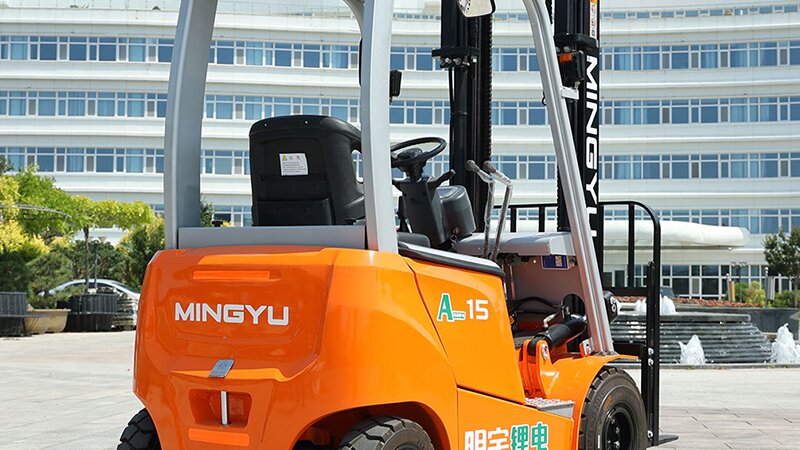
Traditional lead-acid batteries, which have dominated the forklift market for decades, are ill-suited for simultaneous charging and use due to their chemical composition and charging requirements. These batteries rely on a chemical reaction that produces hydrogen gas during charging, posing safety risks if operated in enclosed spaces while connected to a power source. Additionally, lead-acid batteries require full charging cycles followed by cooling periods to maintain performance and longevity, making partial or on-the-go charging impractical. Internal combustion forklifts, while not dependent on electrical charging, face their own limitations, including high fuel costs, emissions that require ventilation, and regular maintenance that disrupts operations. As industries increasingly prioritize sustainability and cost-efficiency, the demand for electric forklifts has surged, with Li-ion batteries emerging as the preferred alternative to lead-acid. Li-ion batteries offer higher energy density, faster charging times, longer lifespans, and most importantly, the ability to accept charge while in use—thanks to their stable chemical structure and compatibility with advanced charging technologies such as opportunity charging and fast-charging systems.
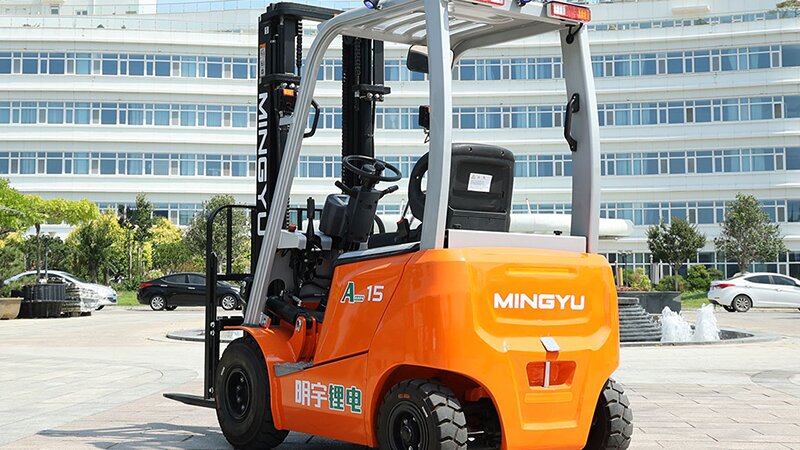
The adoption of forklifts that charge while operating brings a multitude of benefits to industrial operations, starting with the elimination of downtime associated with battery swapping or charging. In busy warehouses, distribution centers, and manufacturing facilities, forklifts are often in constant use, and even short breaks for charging can disrupt workflow and delay order fulfillment. With simultaneous charging, operators can keep forklifts running continuously, whether by connecting to charging stations during loading/unloading stops, using overhead charging rails in high-traffic areas, or integrating wireless charging pads into work zones. This not only boosts productivity but also reduces the need for backup batteries and charging infrastructure, lowering capital and operational expenses. Furthermore, Li-ion batteries used in these forklifts are more energy-efficient and have a longer lifespan than lead-acid batteries, reducing waste and lowering the environmental impact of material handling operations. For companies aiming to achieve carbon neutrality, electric forklifts with simultaneous charging capabilities offer a tangible way to reduce greenhouse gas emissions, as they can be powered by renewable energy sources such as solar or wind. Real-world examples highlight these benefits: a large e-commerce distribution center in Europe reported a 30% increase in forklift utilization after adopting simultaneous charging technology, while a manufacturing plant in Asia reduced its annual energy costs by 25% by switching from lead-acid to Li-ion forklifts with opportunity charging.
Post time:Dec.02.2025
